Home
From setting data in motion to setting people in motion
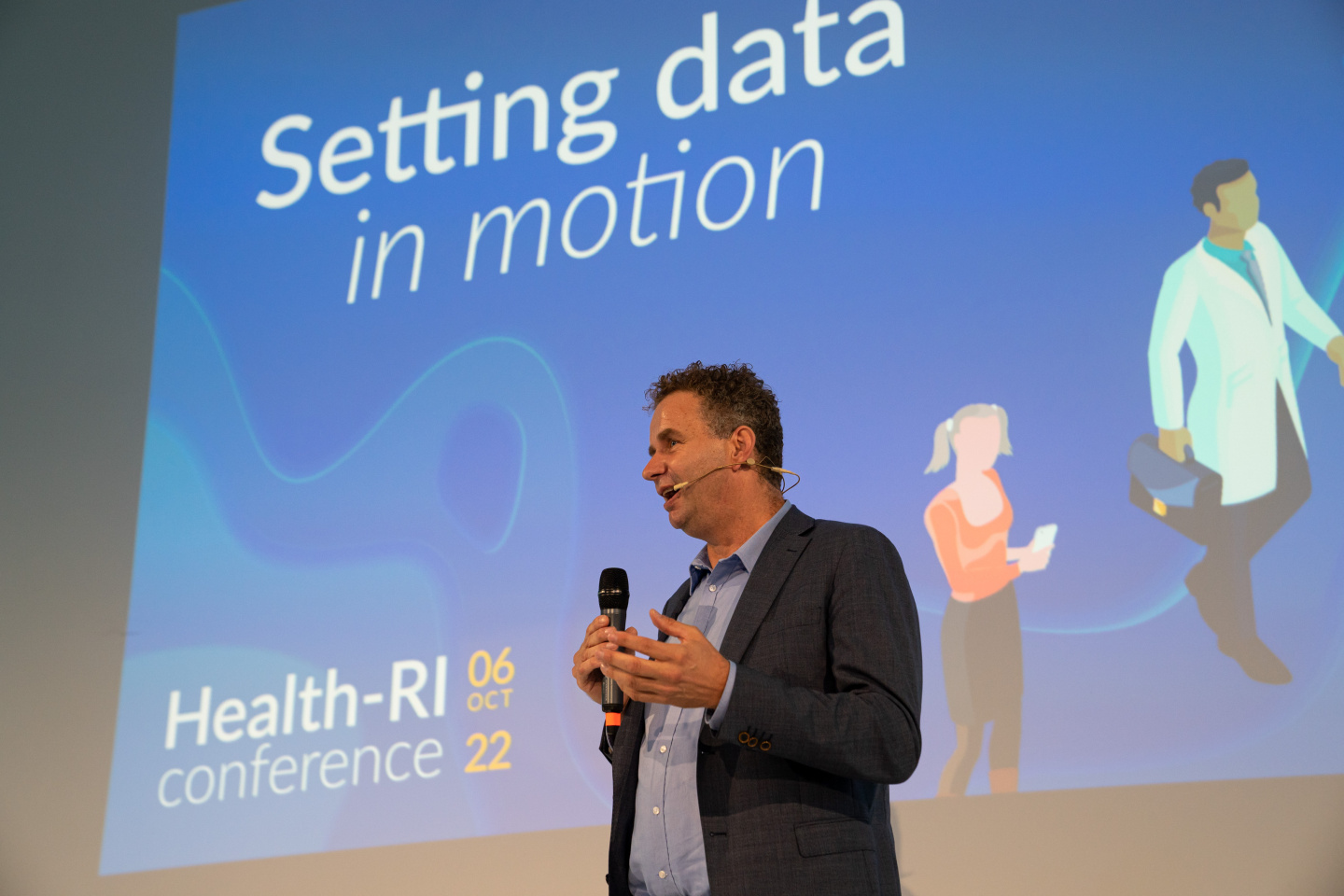
On October 6, 2022, the Utrecht Trade Fair (Jaarbeurs) was the stage for the seventh Health-RI conference. The central theme of this meeting was ‘setting data in motion’. Well over 450 visitors, both from the public and private sectors, discussed the development of a national health data infrastructure, with the central question: how can we improve the health of citizens and patients by setting data in motion?
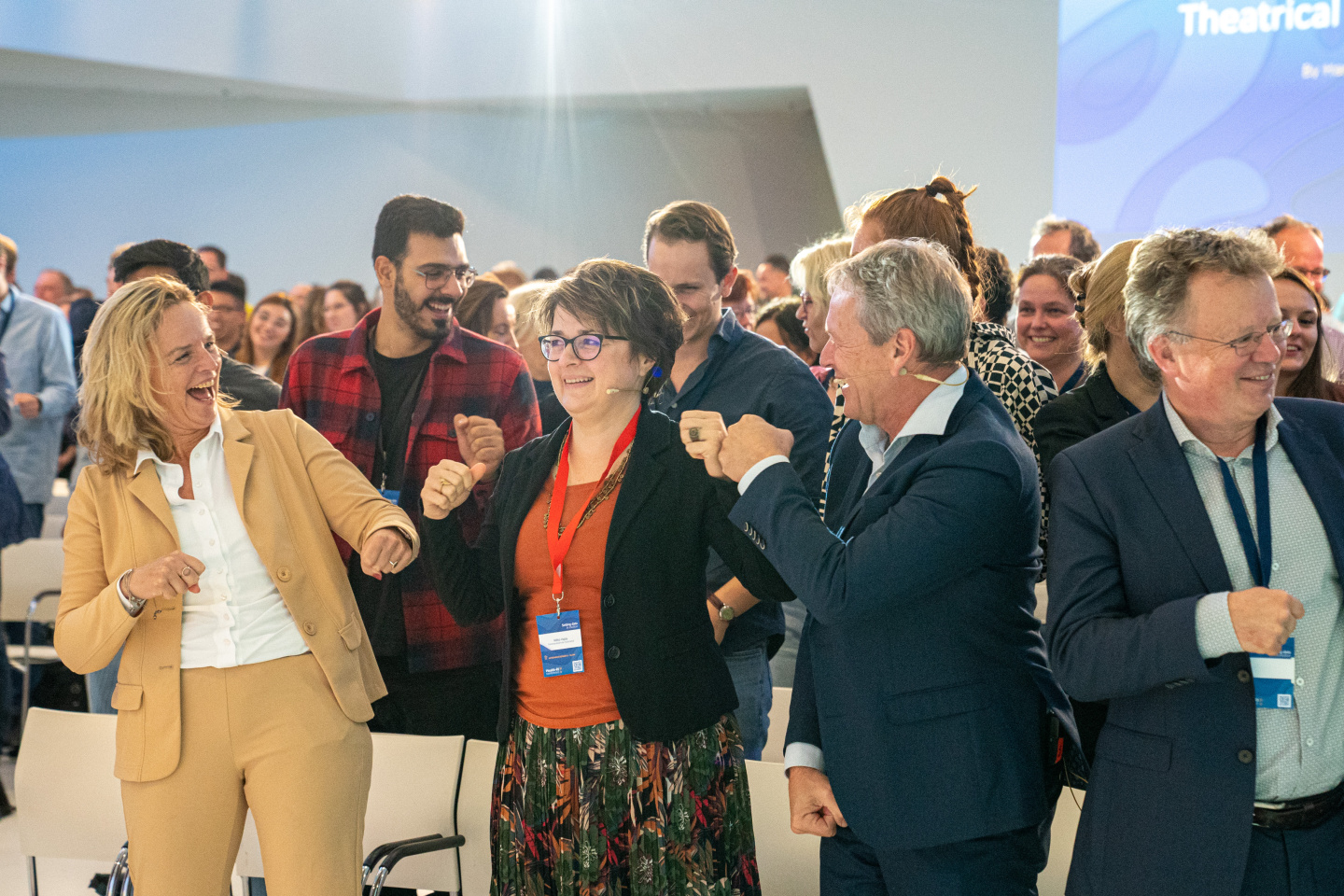
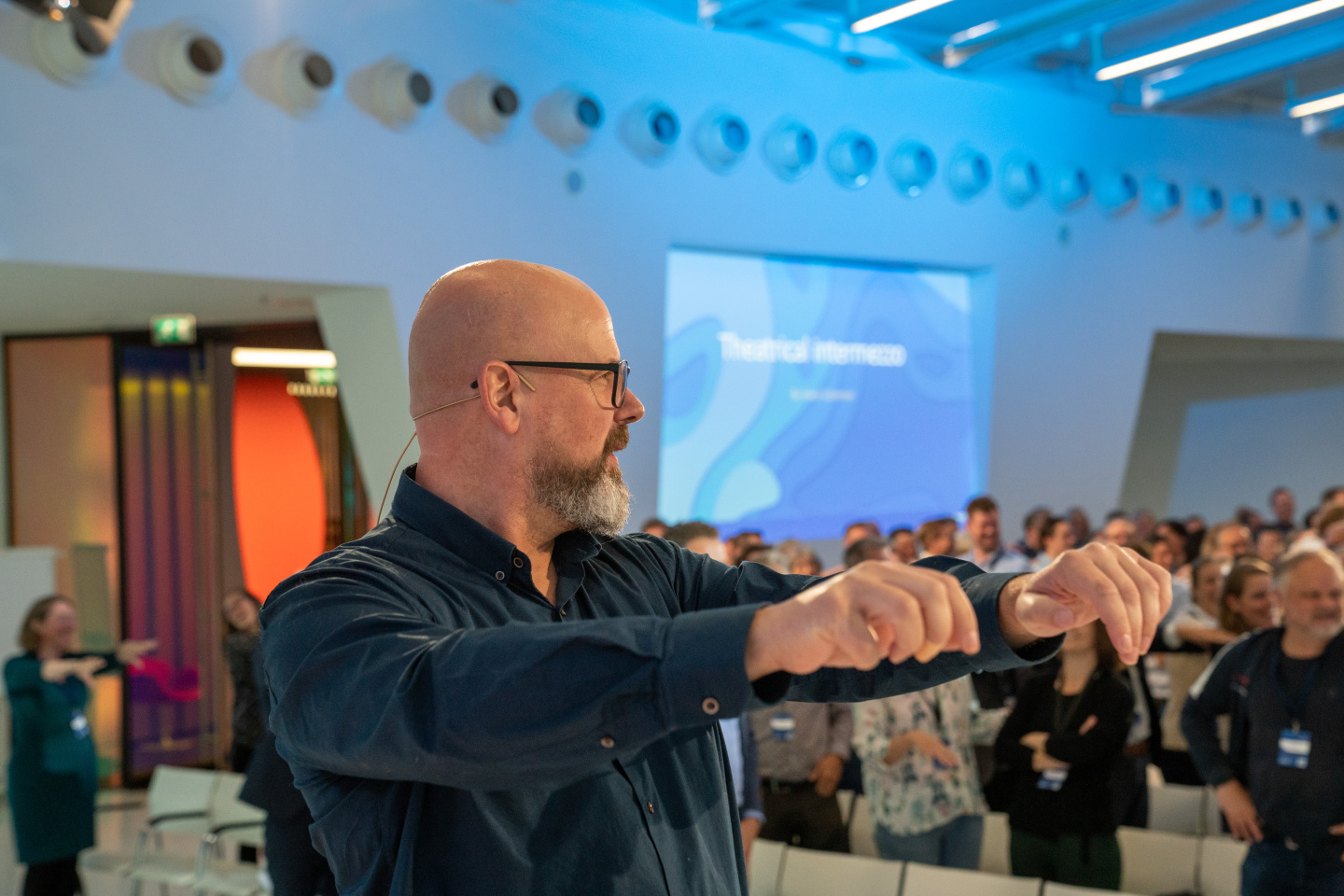
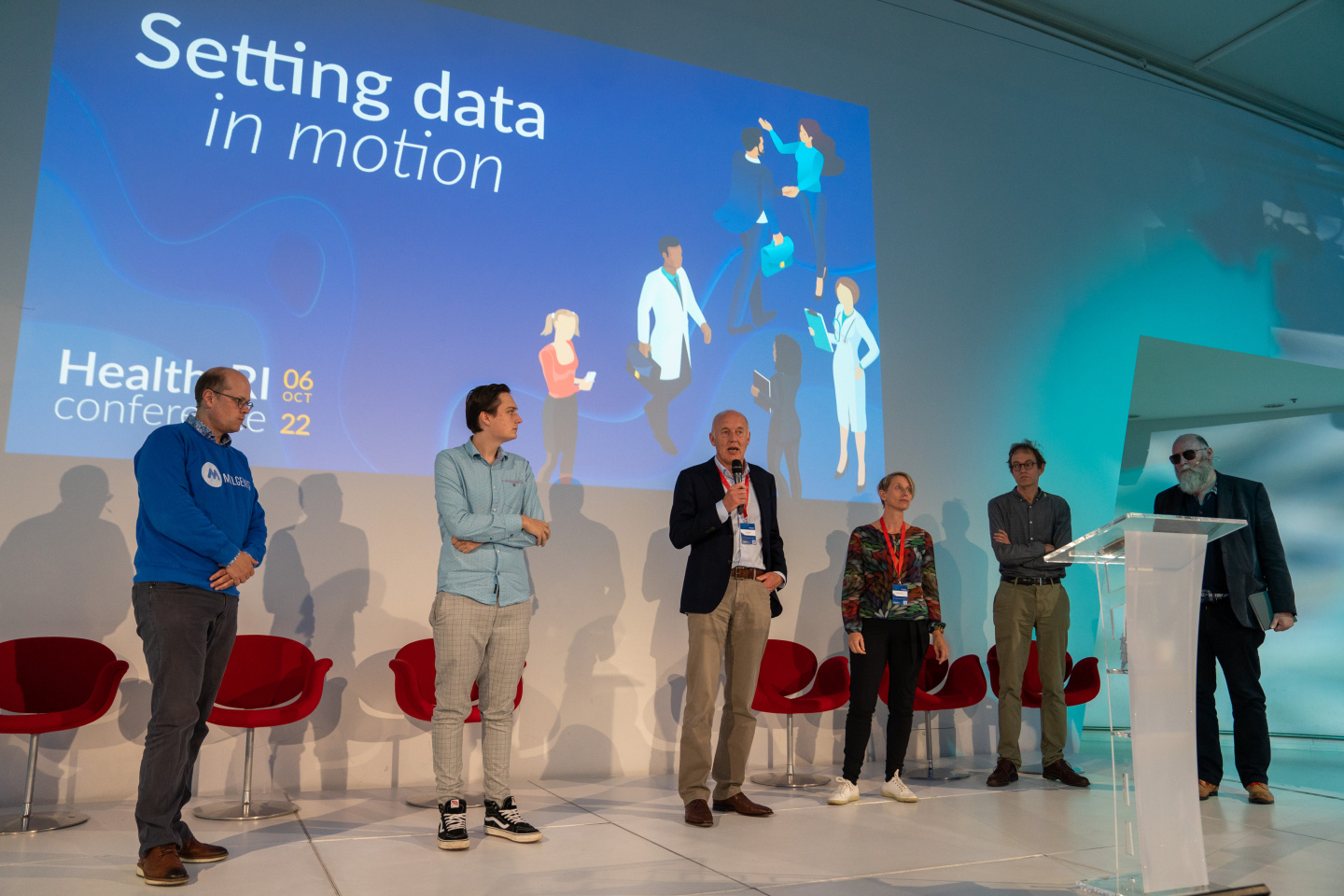
The welcoming address was given by chairwoman of the day Désiree Hoving, who set the conference literally in motion by having each represented professional group introduce itself while standing up and receiving a round of applause.
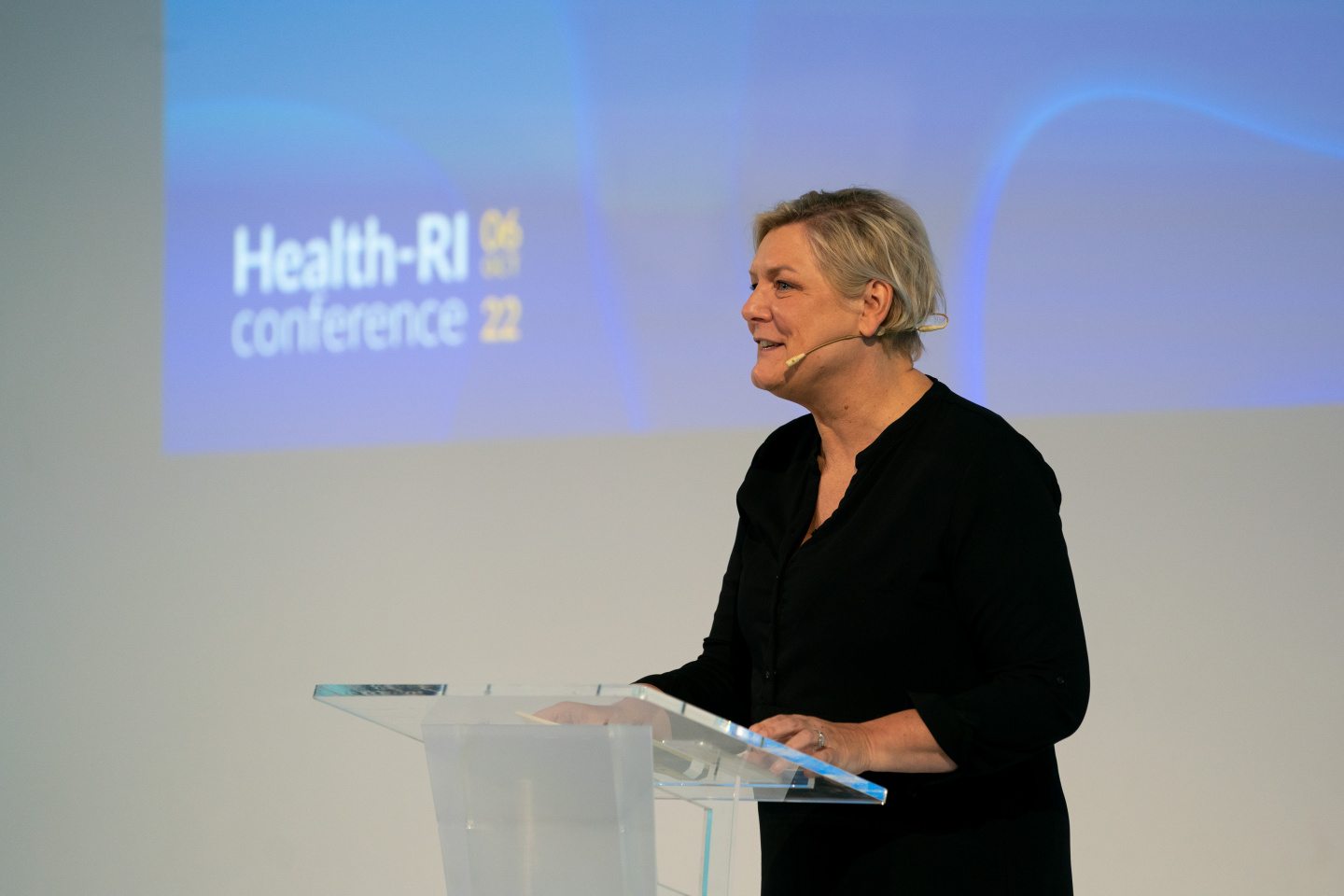
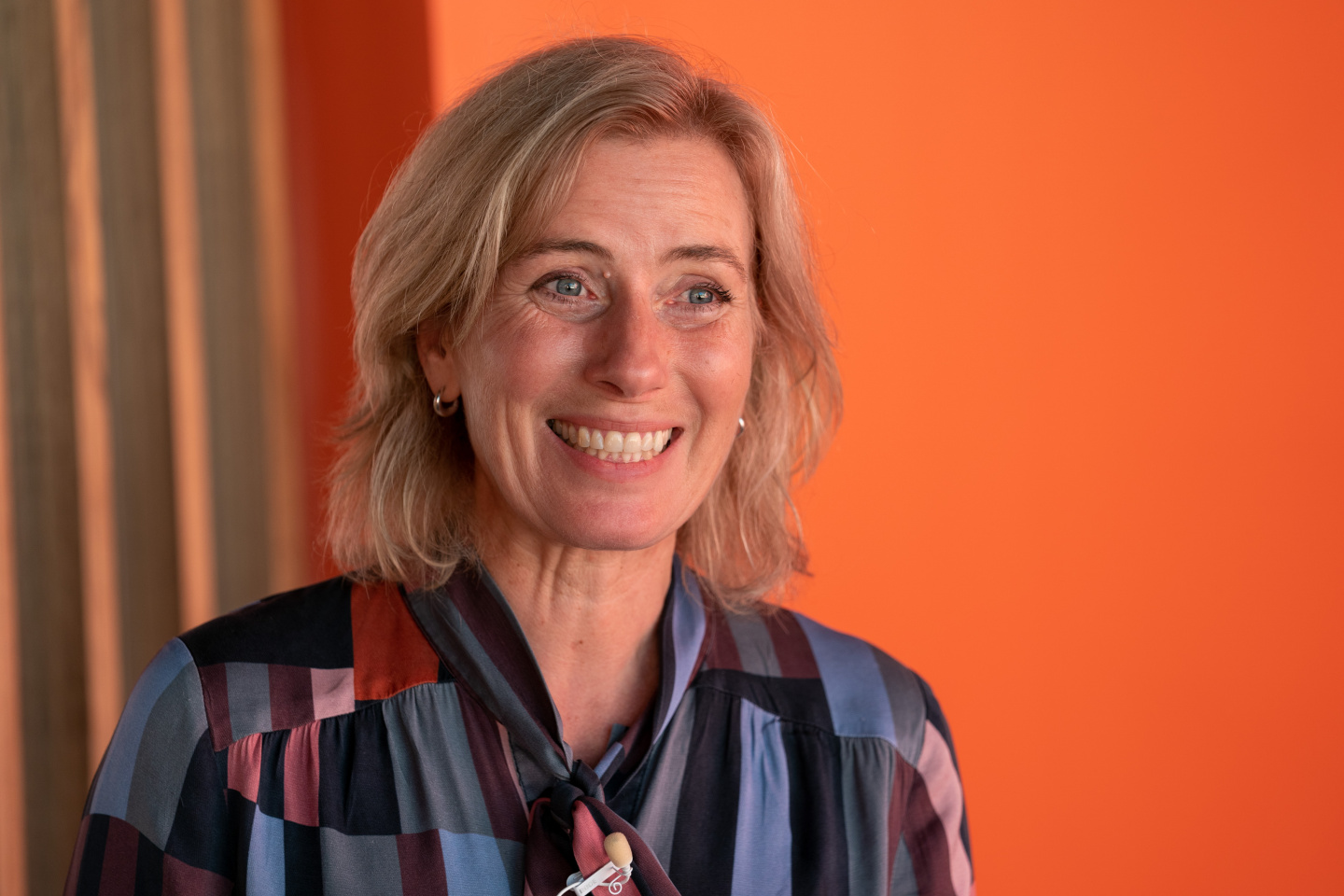
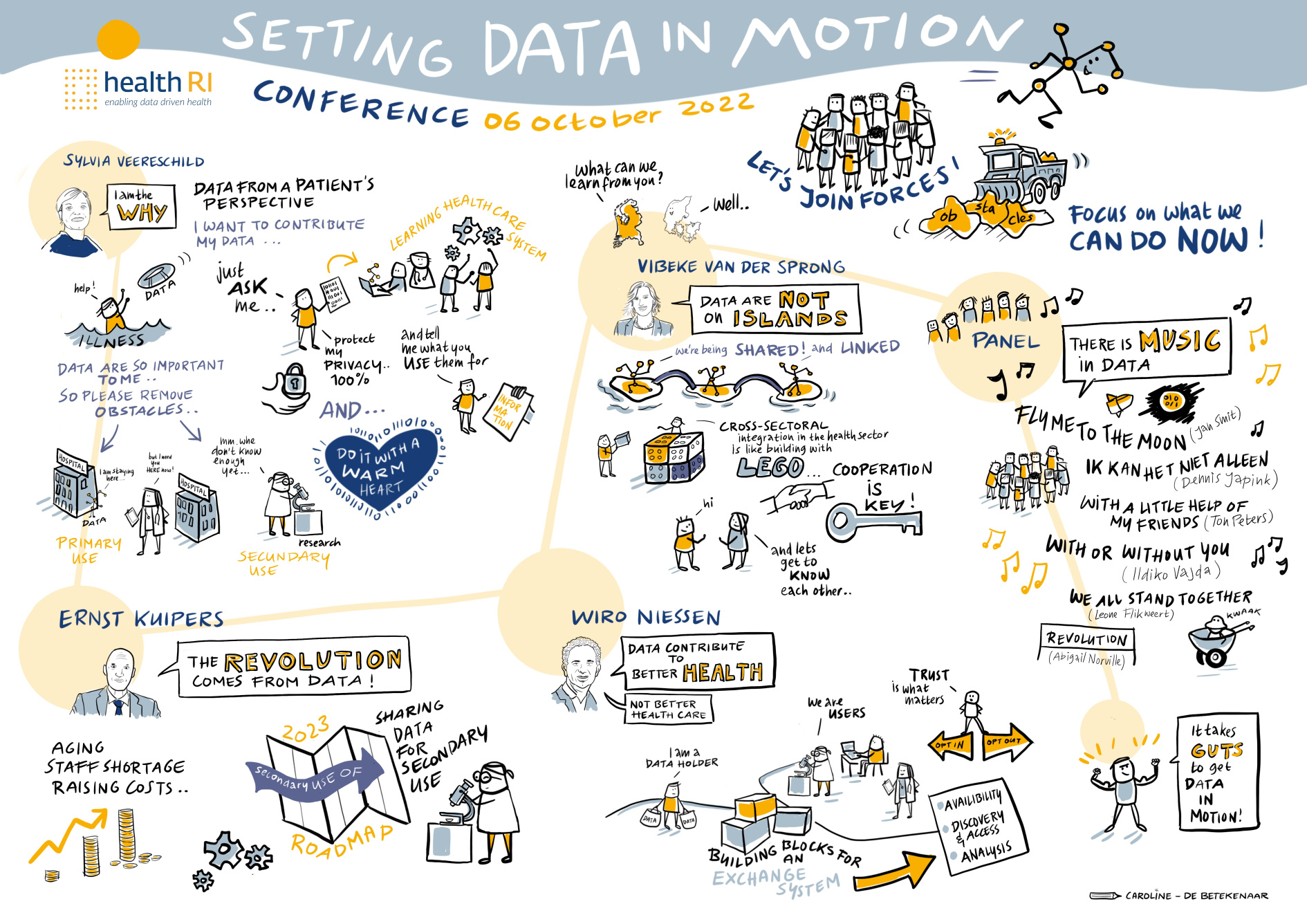
Sylvia Veereschild kicked off the conference with a personal keynote, combining her professional career as a specialist in healthcare data exchange with her own experience as a patient. She illustrated the urgency of a well-functioning information exchange system, using her breast cancer treatment as an example. During this treatment, her medical records were unfindable, or data was un-exchangeable, creating life-threatening situations.
She also made an appeal to more proactively involve patients with the data sharing that is needed within a national health data infrastructure. A study by the Dutch Patients’ Federation shows that 97% of patients is willing to share medical data if it can improve healthcare.
“Data, logistics and technology as core values for the much-needed revolution”
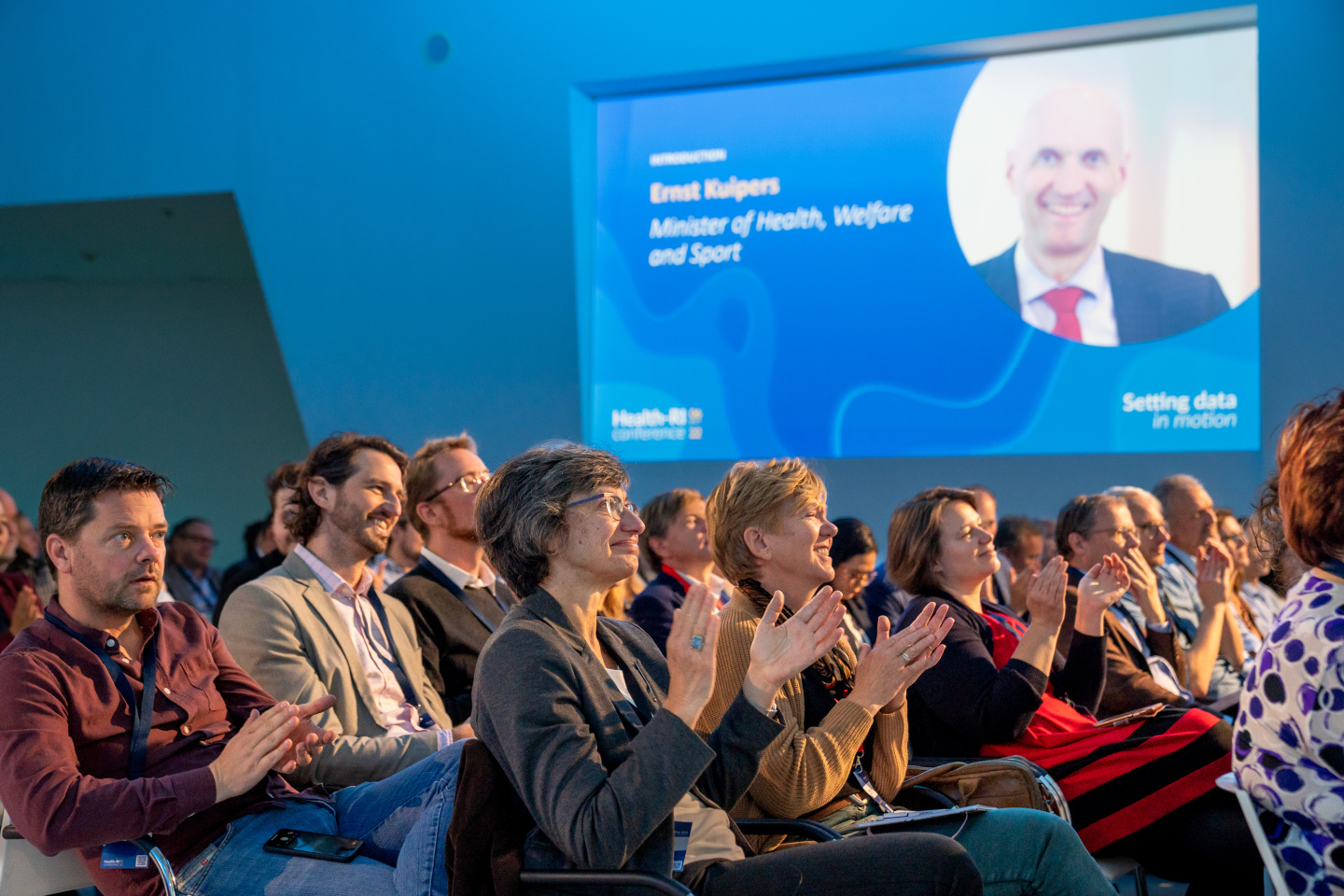
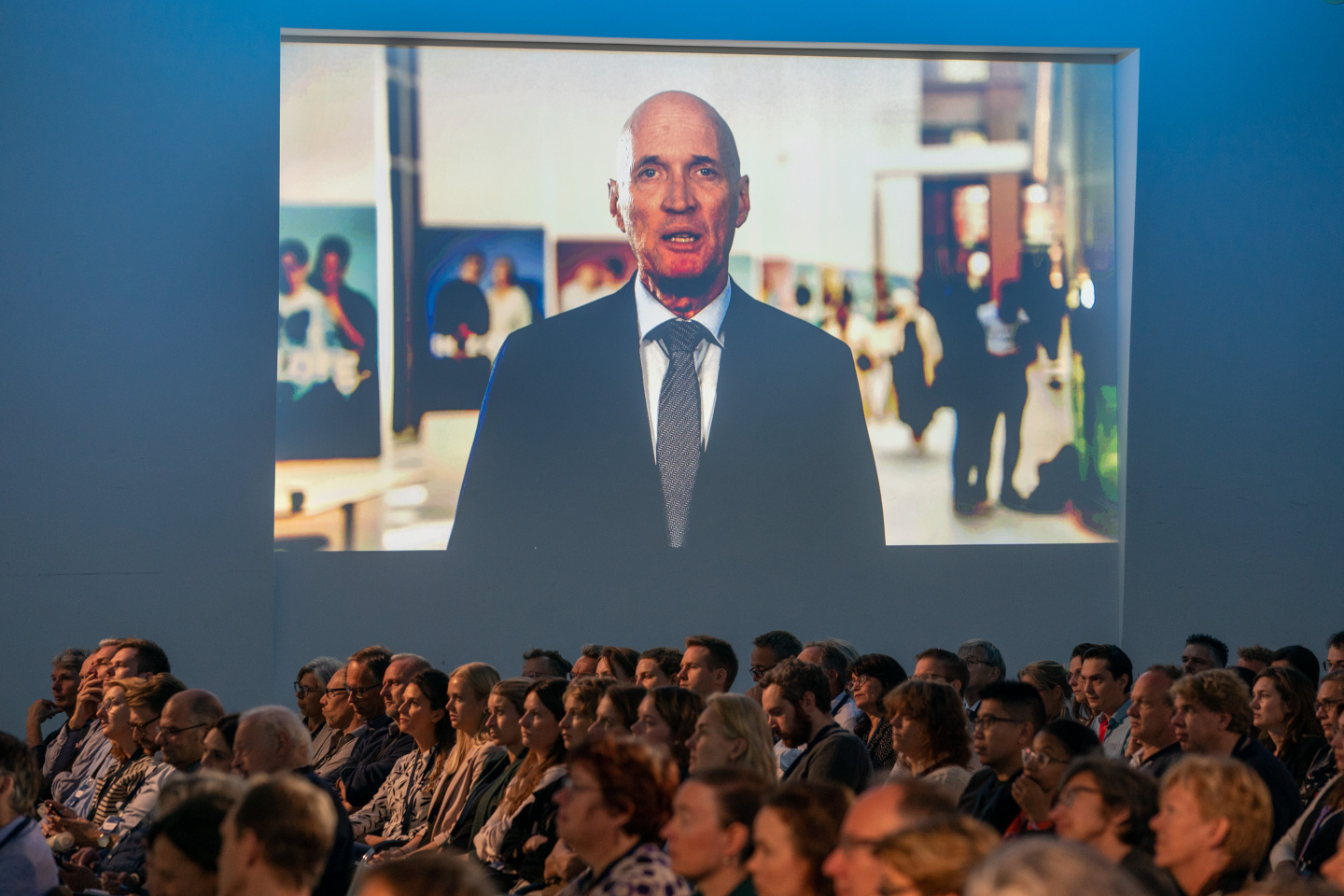
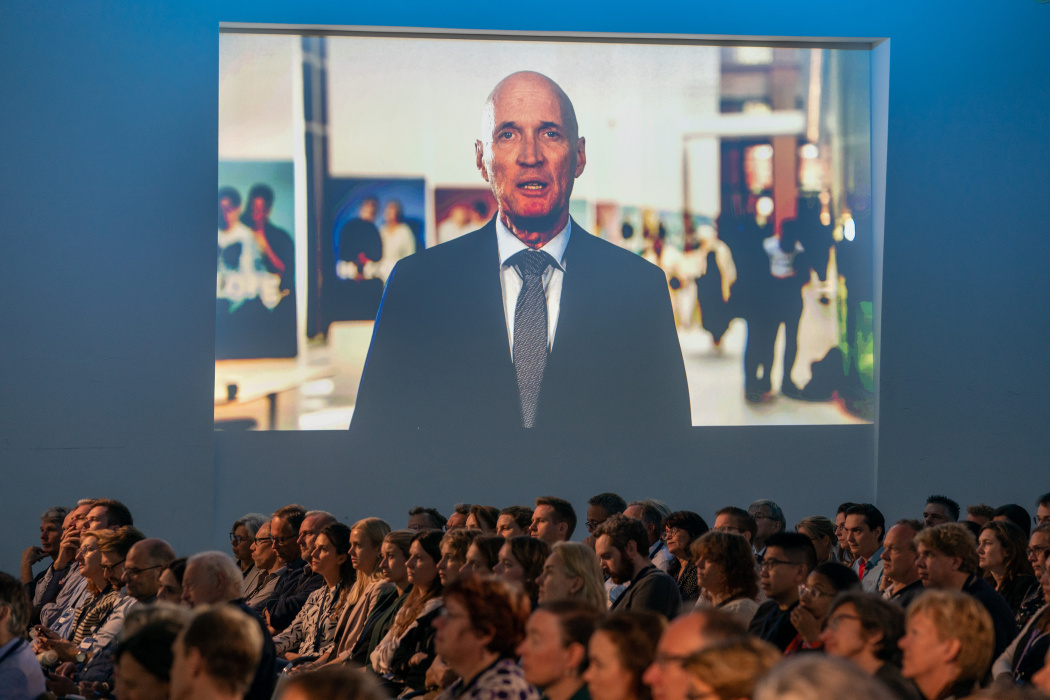
Sylvia Veereschild’s plea was followed by a video message by Ernst Kuipers, Minister of Public Health, Welfare and Sport, and former practicing doctor, researcher and director. “An aging population, staff shortages and rising costs in healthcare: we are facing major challenges. To tackle these challenges, we need to organize healthcare in a smarter way. The revolution that we need must come from data, from technology, from logistics. They hold the key to preventing illnesses from progressing or predicting how they will develop”, according to the minister.
He announced that the ministry will present a vision and roadmap for the secondary usage of healthcare data in the spring of 2023. Minister Kuipers also called on the participants of the conference to build partnerships. He named the working groups within Health-RI and the Obstacle Removal Trajectory as an important means to take the next steps.
Delta works of healthcare data
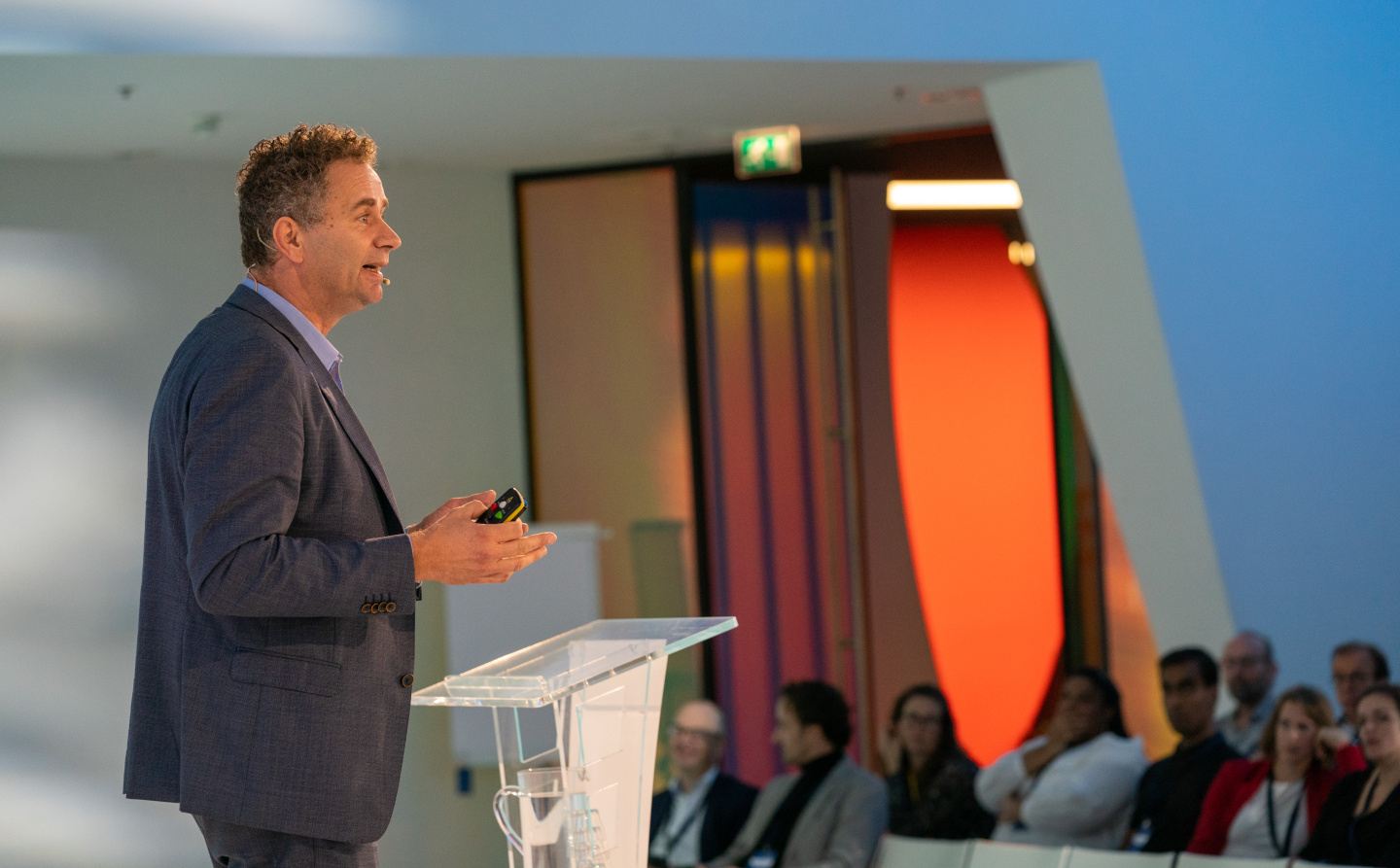
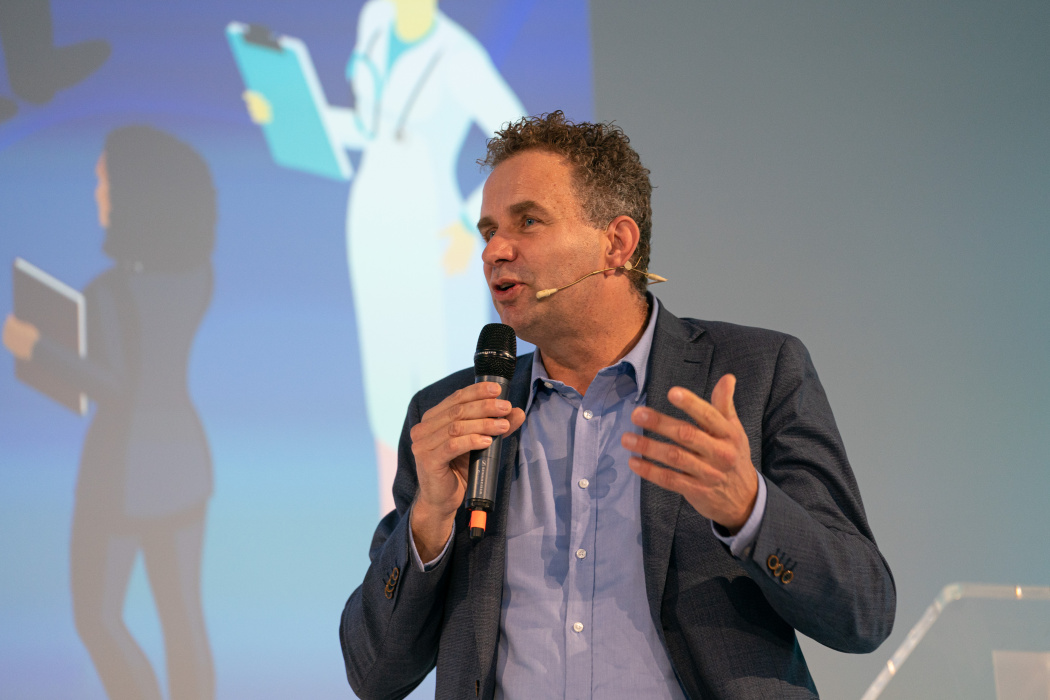
After Kuipers’ appeal, Wiro Niessen, Chief Technical Officer of Health-RI, presented an update on the development of a health data infrastructure, and how a better co-operation could accelerate this development. He opened by stating that, in a philosophical sense, every conference participant is part of Health-RI: after all, all parties are needed to succeed in the mission of better health for citizens and patients by reusing health data.
He illustrated this shared effort by the Dutch Delta Works, a series of dams, sluices, locks and dykes to protect the country. Rather than working on individual dams or solutions, a nationwide facility serves and protects everyone.
To accomplish this Delta Works for healthcare data, Health-RI does not have to start with a blank canvas. There is an abundance of data, but they are often hard to find, inaccessible, difficult to link and therefore hard to re-use. “Start small, think big!”, says Niessen. In his view, the momentum to turn intentions into actions is now: there is government funding and co-operation, the process of building has started and aligns with European developments, such as the European Health Data Space.
A learning health care system in Denmark
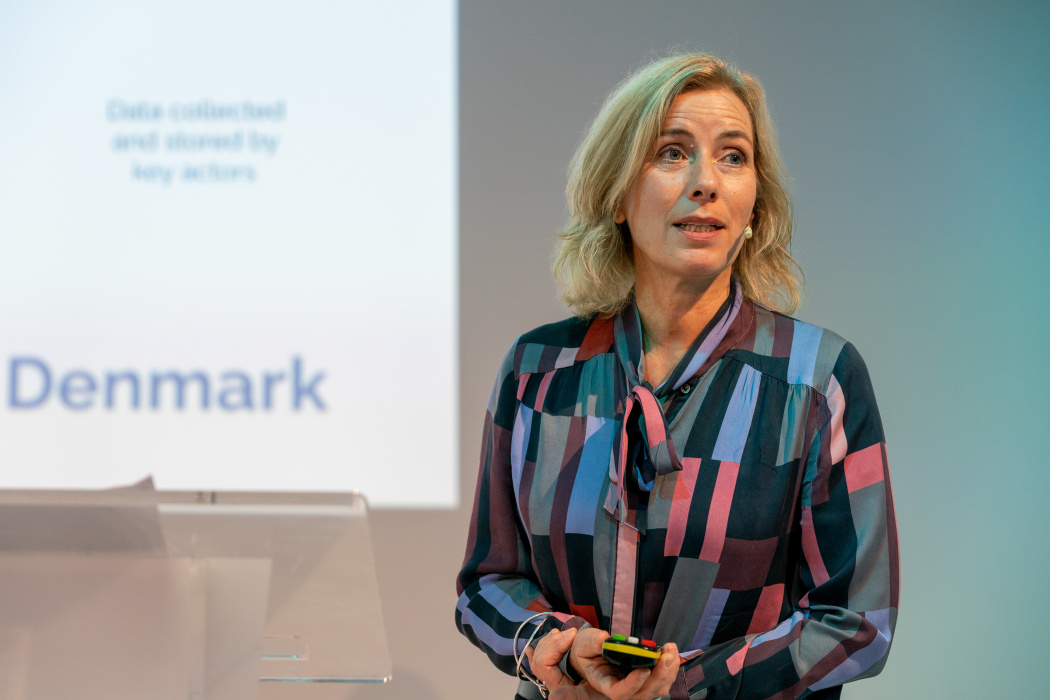
The following presentation focused on Denmark, a country that is ahead of The Netherlands when it comes to data sharing. Vibeke van der Sprong, Deputy Director of the Danish Health Data Authority, outlined the history and operation of the data infrastructure in her country.
In 27 years, Denmark has built a system in which a multitude of data is available for primary and secondary use. These data originate from the contact between patients and healthcare providers and form the basis for political policy and research. The system is accessible to general practitioners, physicians, and researchers. Citizens can view their own data and indicate if they wish to share that data or not. A nationwide uniform software architecture enables information exchange between hospitals and healthcare regions. In addition, the infrastructure is connected to databases of non-medical government agencies. All of this is under a strict governance, which instills great confidence among Danish citizens in their learning healthcare system.
As wonderful as this may sound, Van der Sprong is not satisfied with all aspects: she regrets not having set up this system even earlier, as well as the fact that its initial focus was on secondary data use, rather than on healthcare improvement.
Setting people in motion
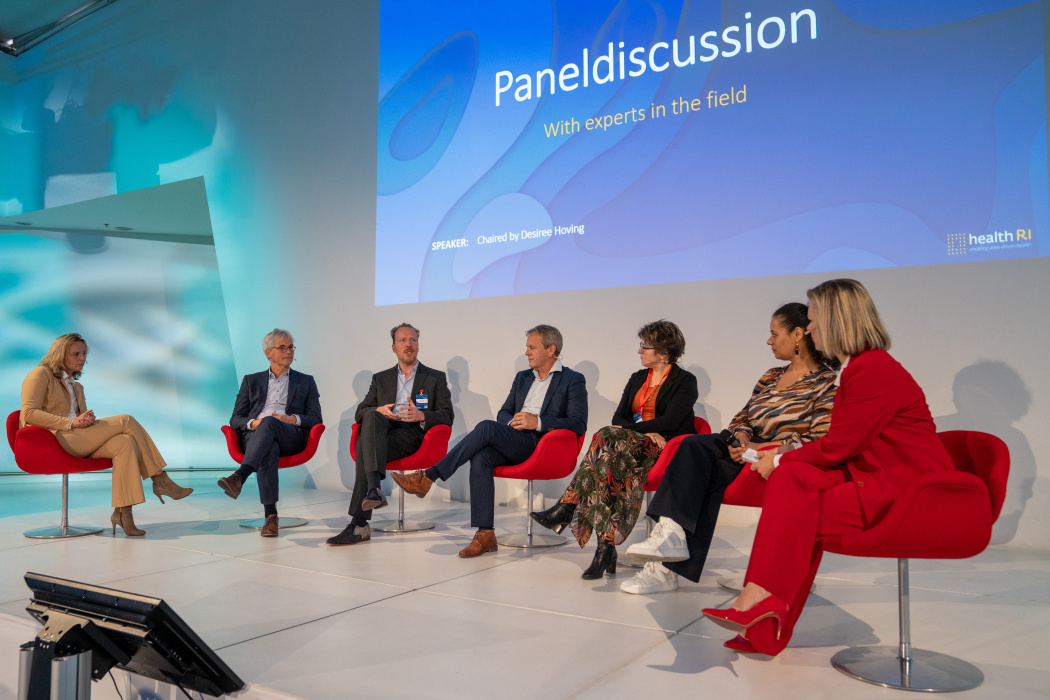
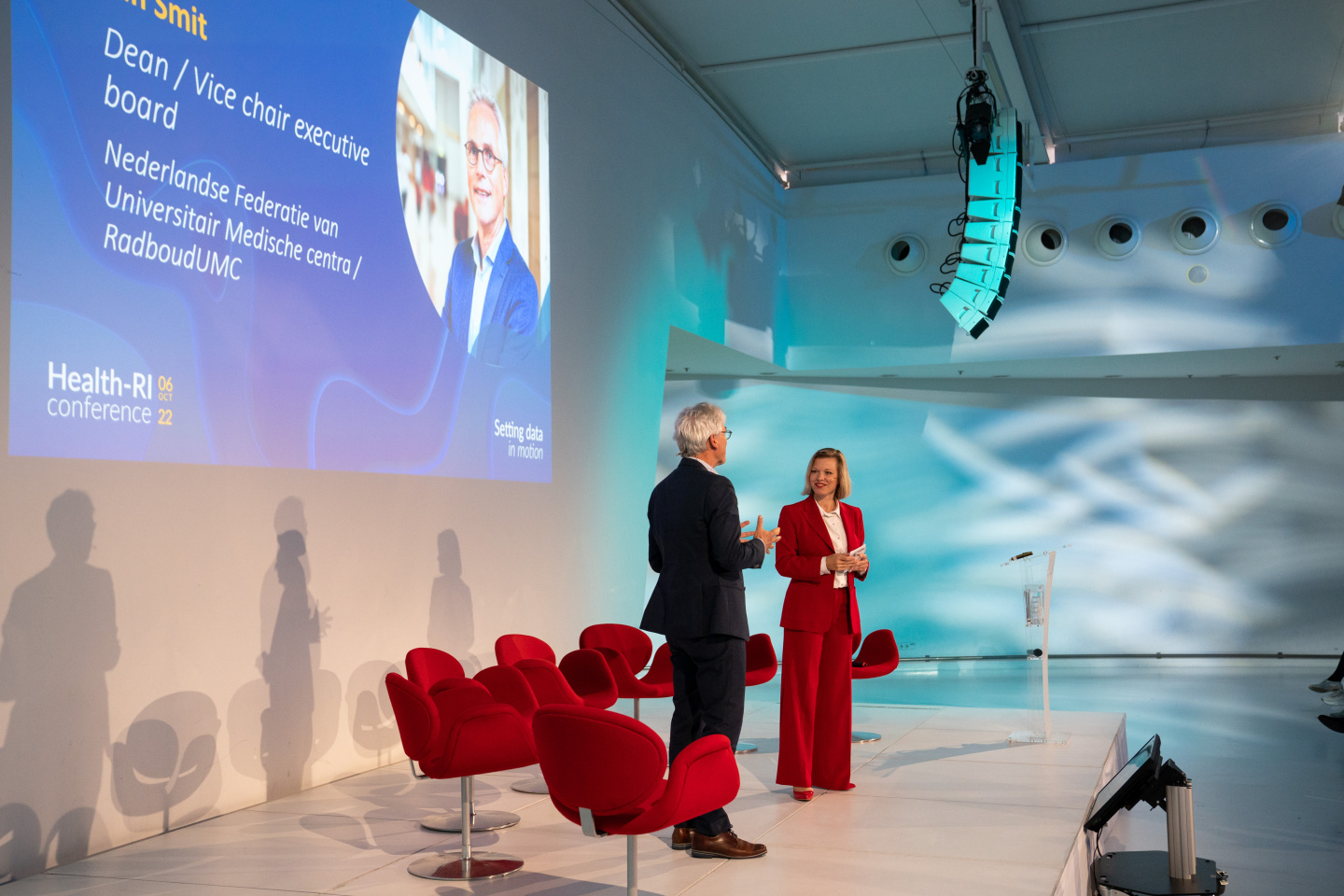
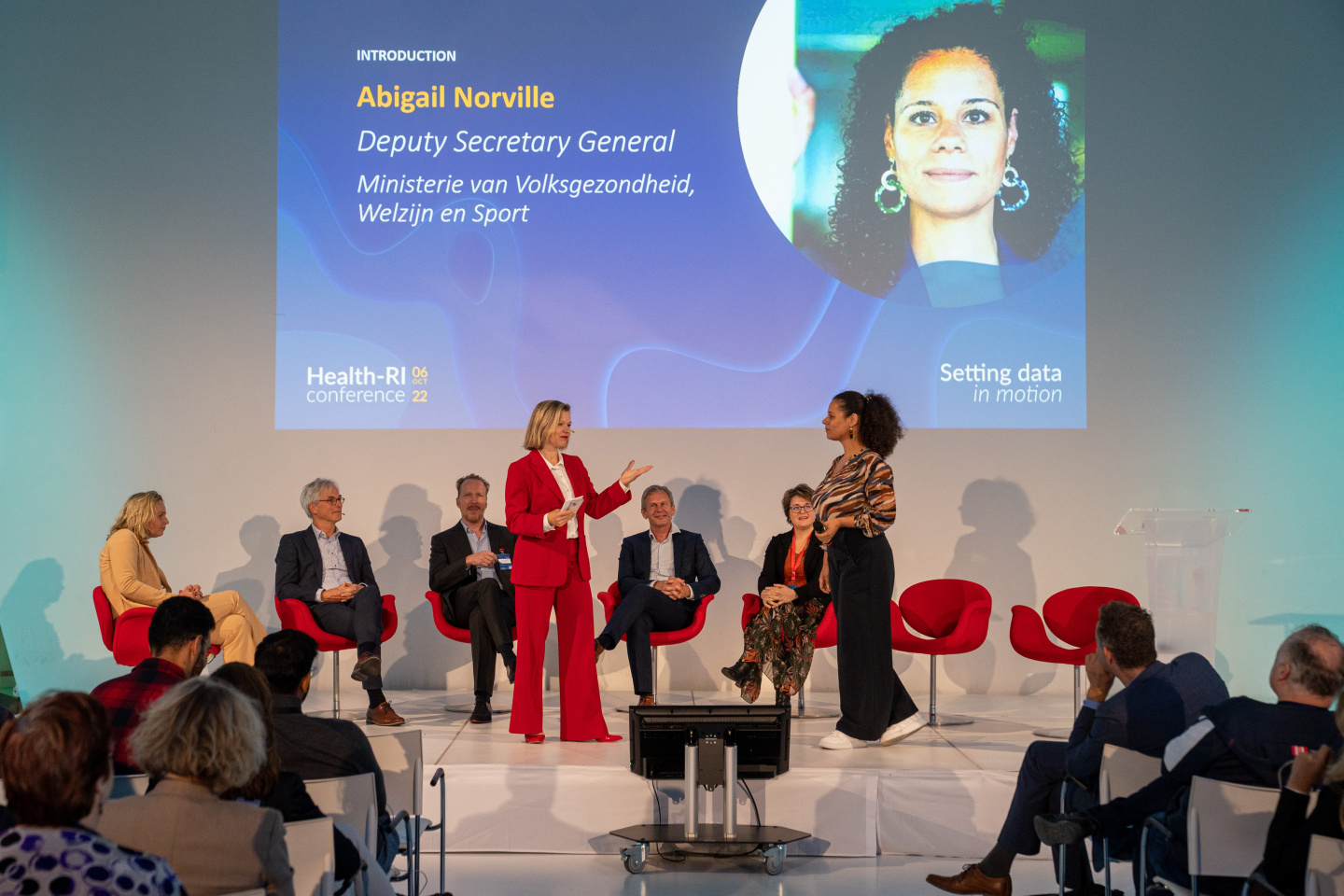
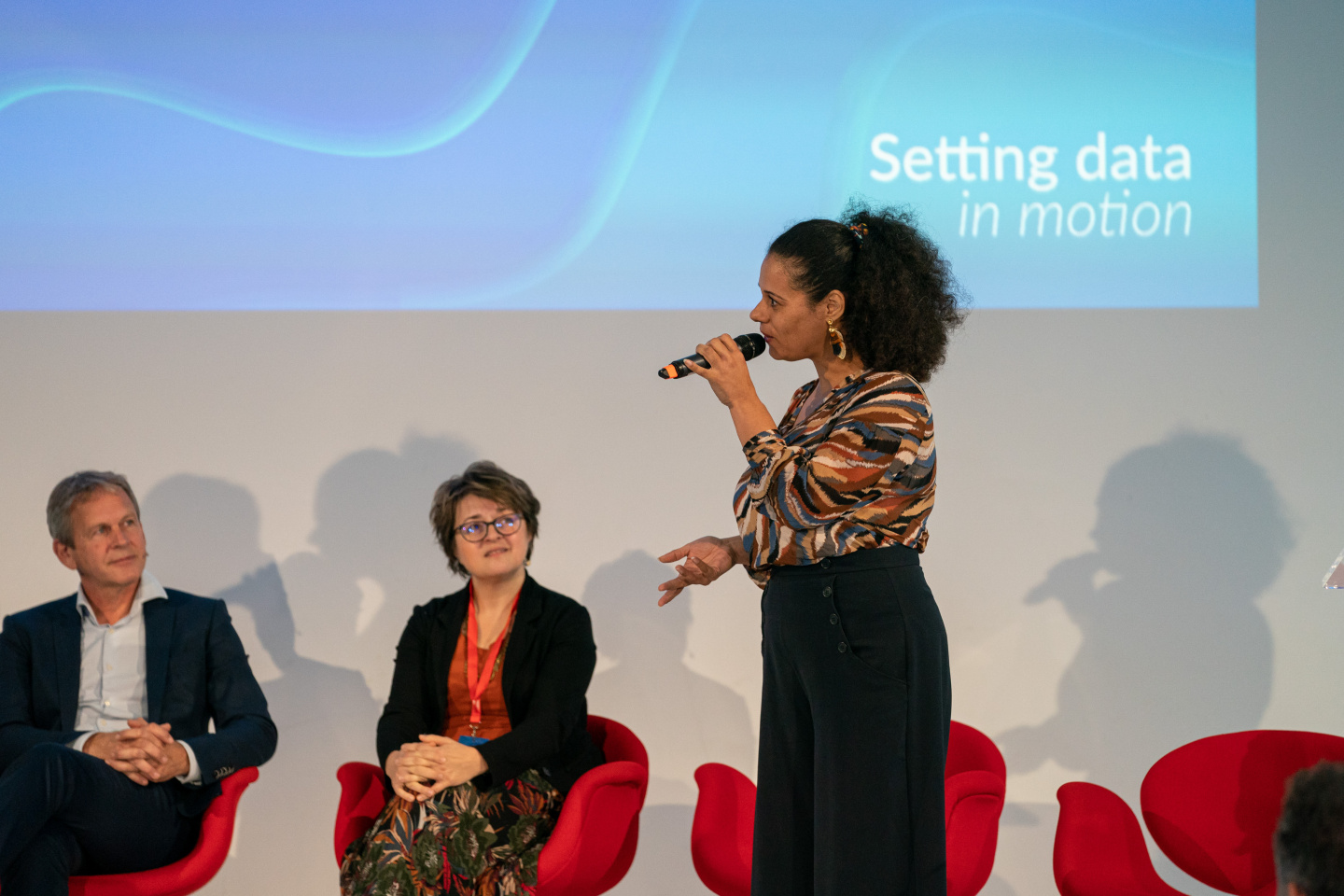
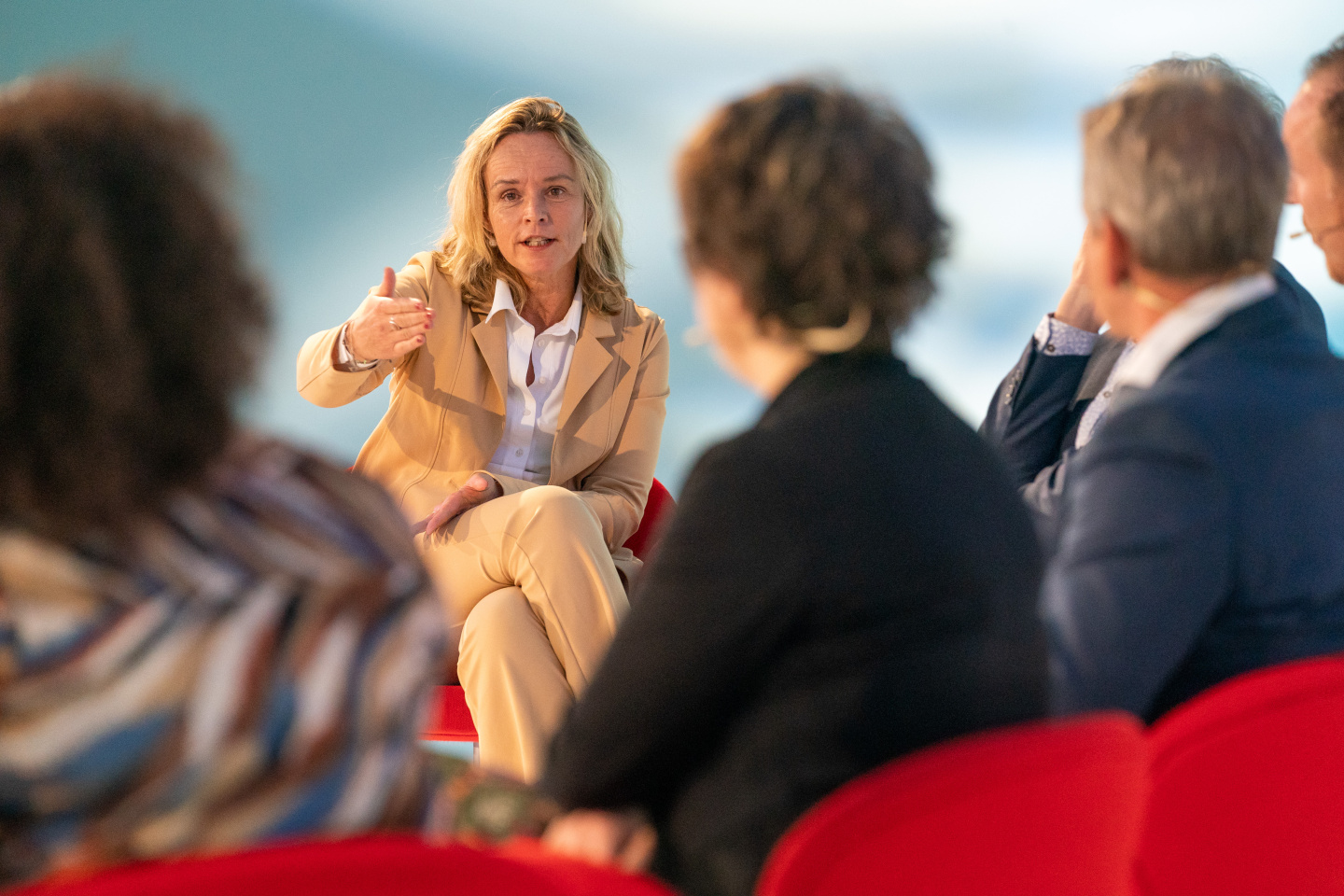
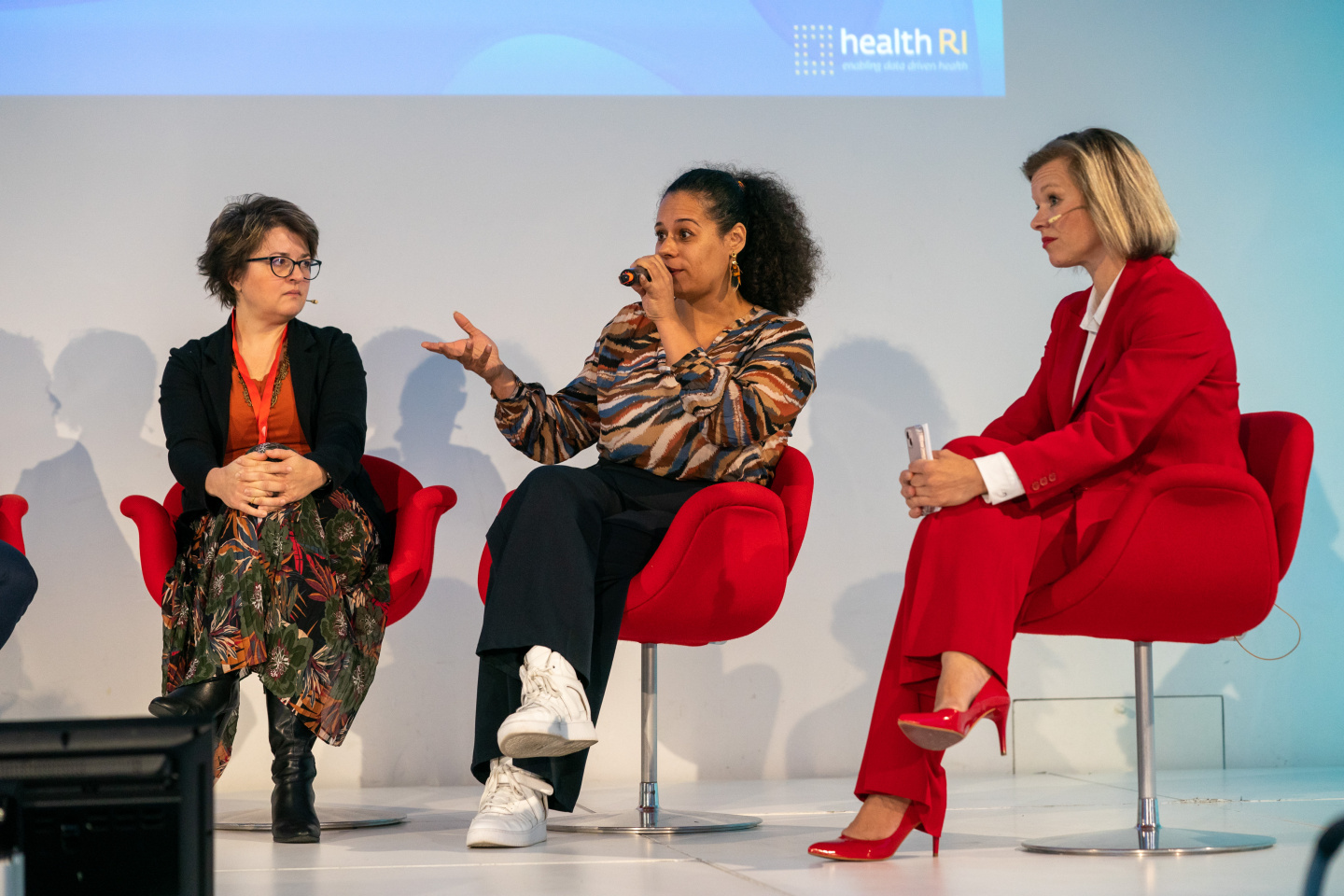
The morning session concluded with a panel discussion between representatives from various parties in the healthcare industry, who introduced themselves with a pop song with a symbolic meaning, such as ‘With a little help from my friends’ and ‘The revolution will not be televised’. Abigail Norville (Deputy Secretary General of the Ministry of Public Health, Welfare and Sport), Jan Smit (Dutch Federation of University Medical Centers), Dennis Japink (on behalf of Dutch Health Insurers and advisor with Menzis), Ton Peters (Innovative Medicines Association), Ildikó Vajda (Dutch Patients’ Federation) and Leone Flikweert (CEO, Health-RI) discussed the roles and responsibilities of stakeholders when it comes to a national health data infrastructure and sharing data. Ildikó Vajda emphasized the importance of gaining the trust of citizens and patients, by properly explaining to them why data sharing and re-use is essential. The conclusion of the discussion: ‘setting data in motion’ is a matter of ‘setting people in motion’. Success hinges on the willingness to cooperate.
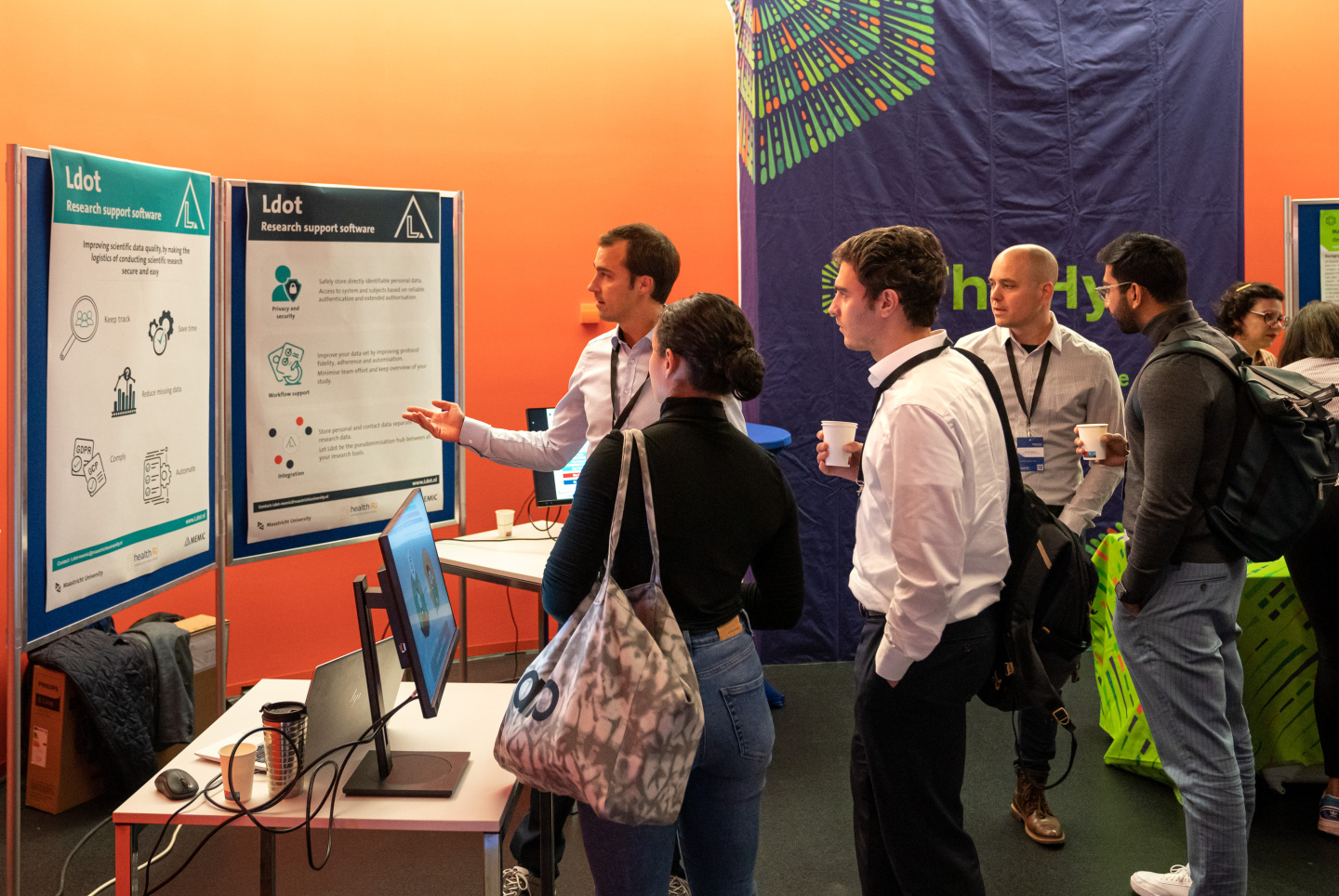
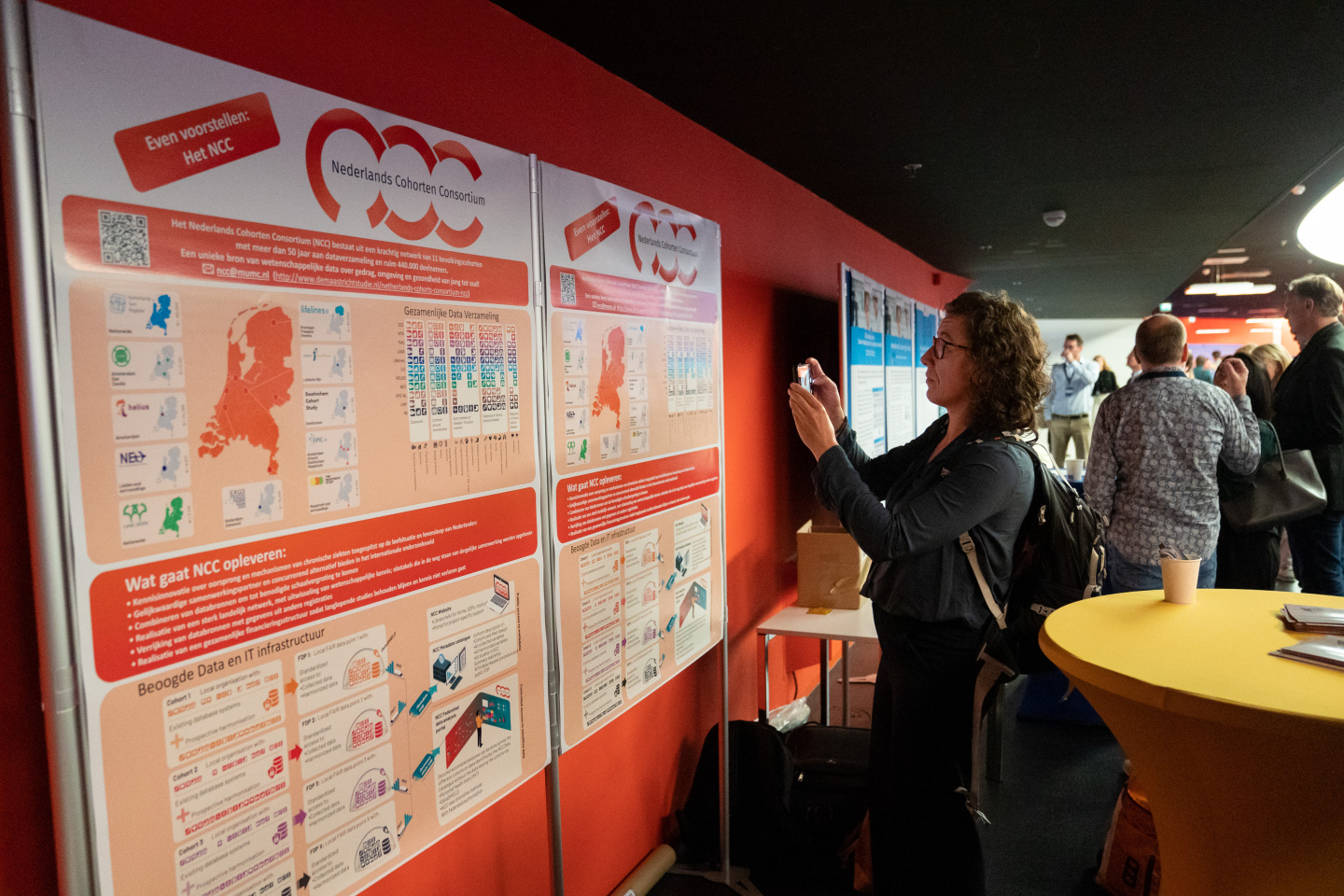
During the break and at end of the day drinks, the hunger for collaboration was affirmed by the participants. There was much enthusiasm among old acquaintances of Health-RI, who strengthened existing contacts and established new ones. "Wonderful to see everyone again”, according to an attendant. Newcomers expressed a desire to more actively transform the words spoken at the conference into action. And "In doing so, invite people from outside healthcare and IT as well”, was their advice.
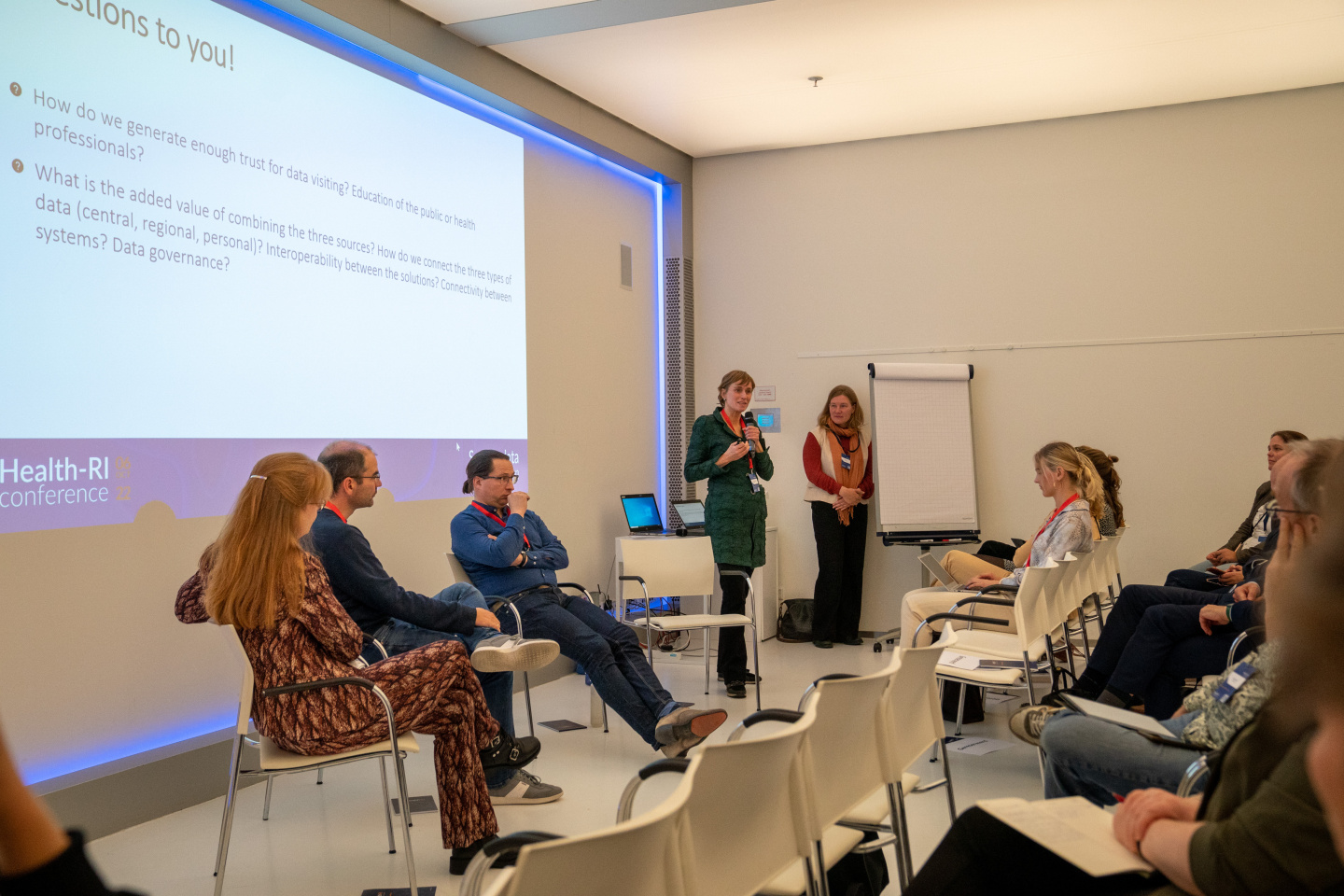
For the follow-up program, the session was divided into four different discussion groups, each covering a specific topic.