Home
Biobank Day 2026
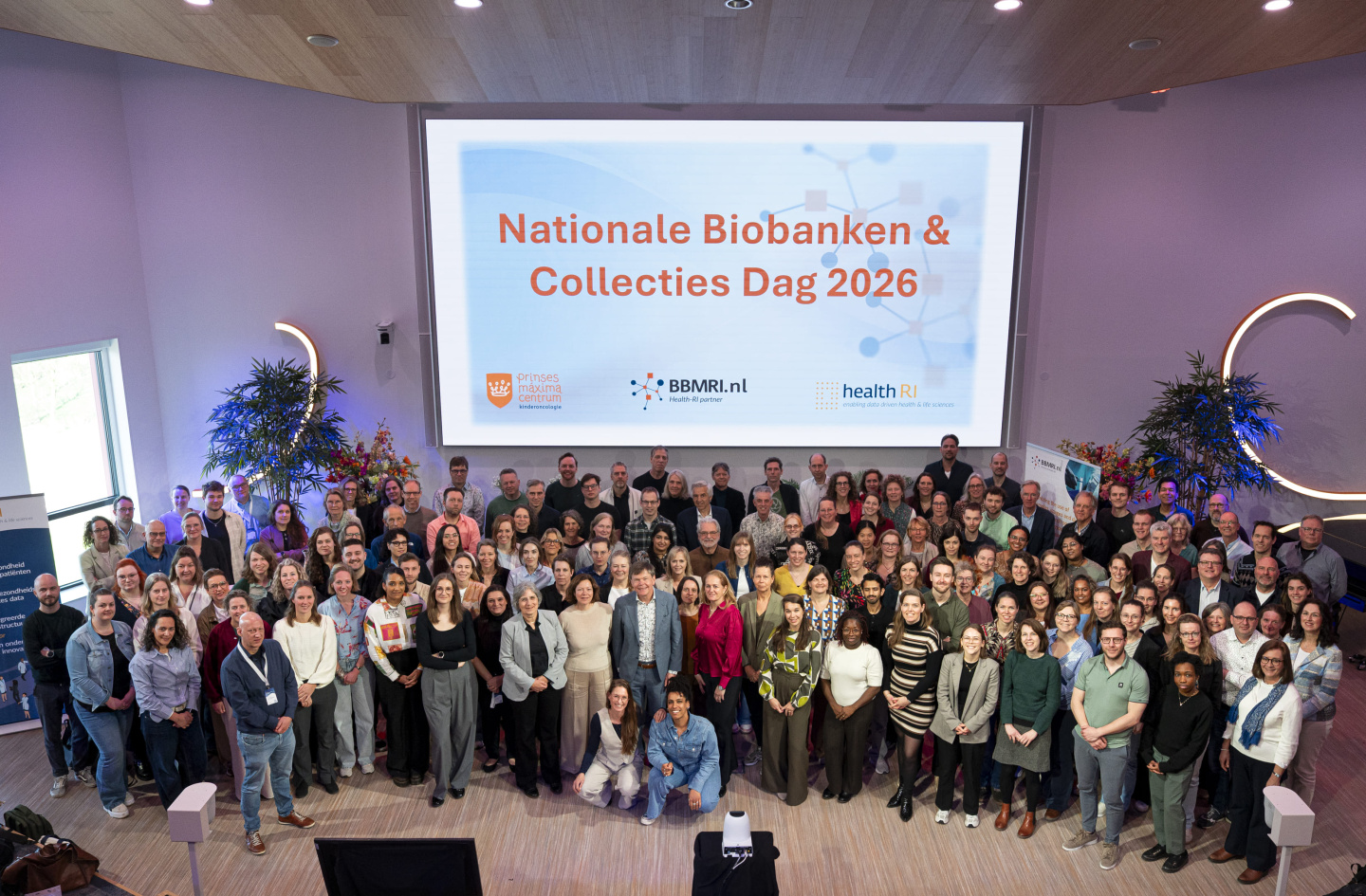
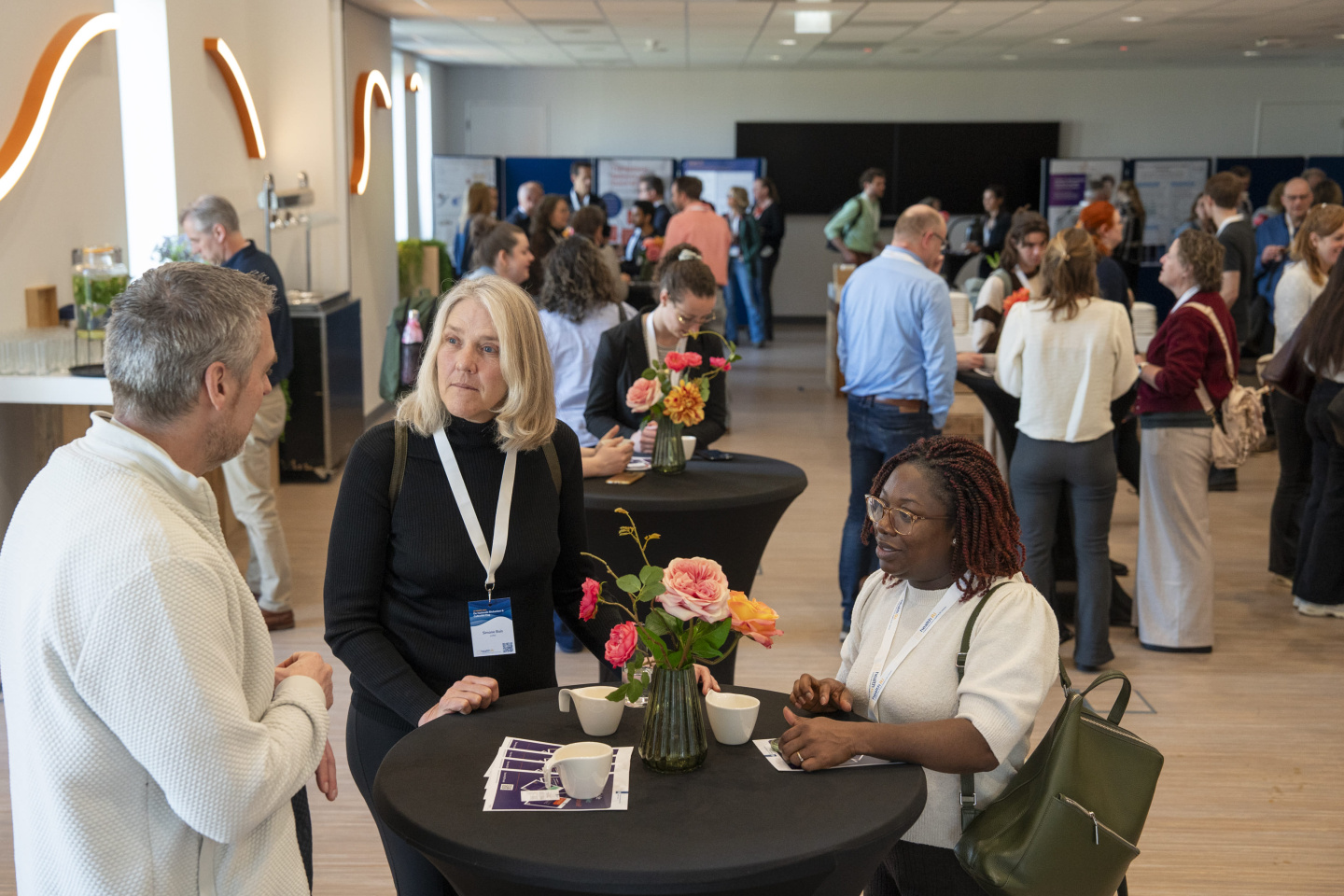
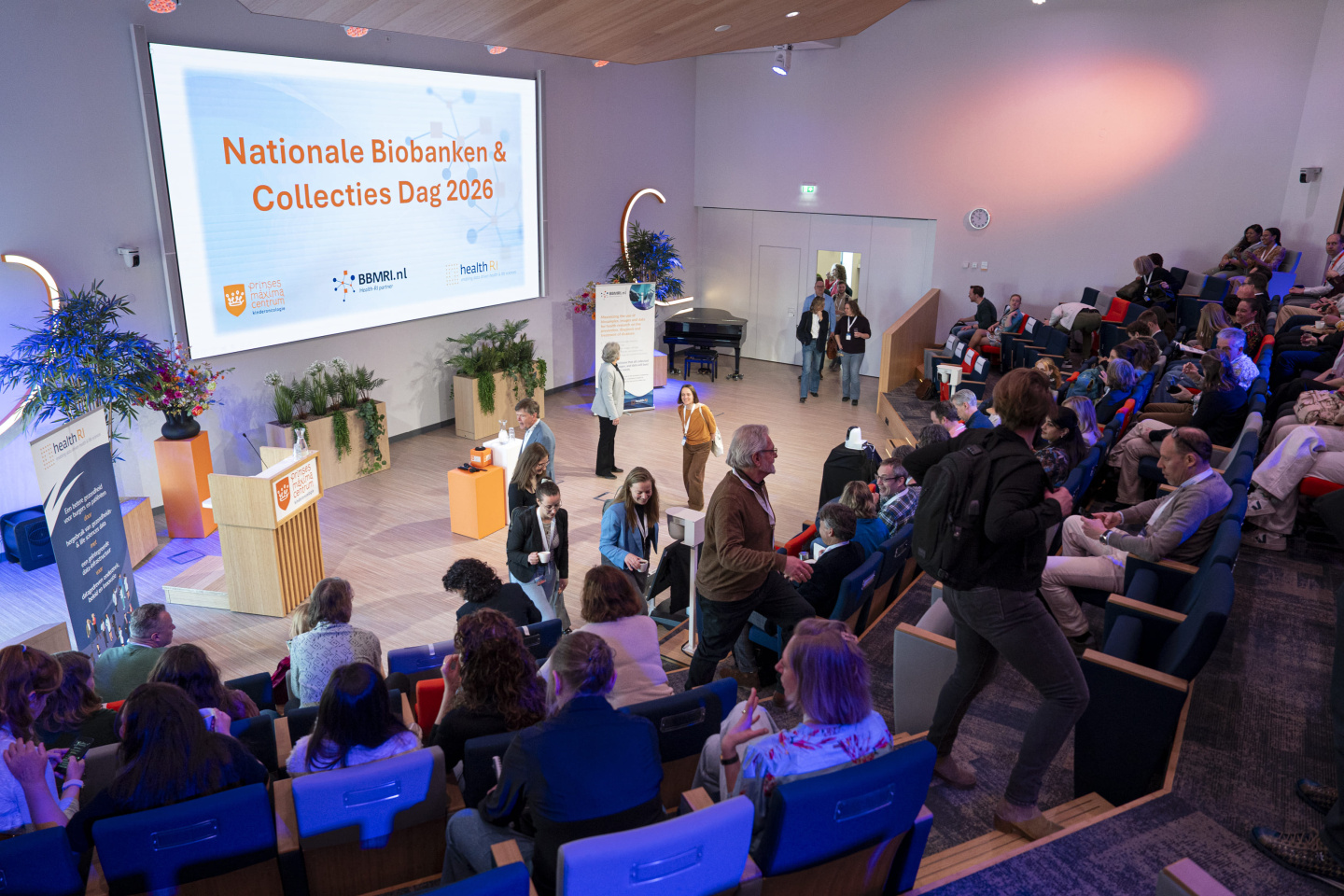
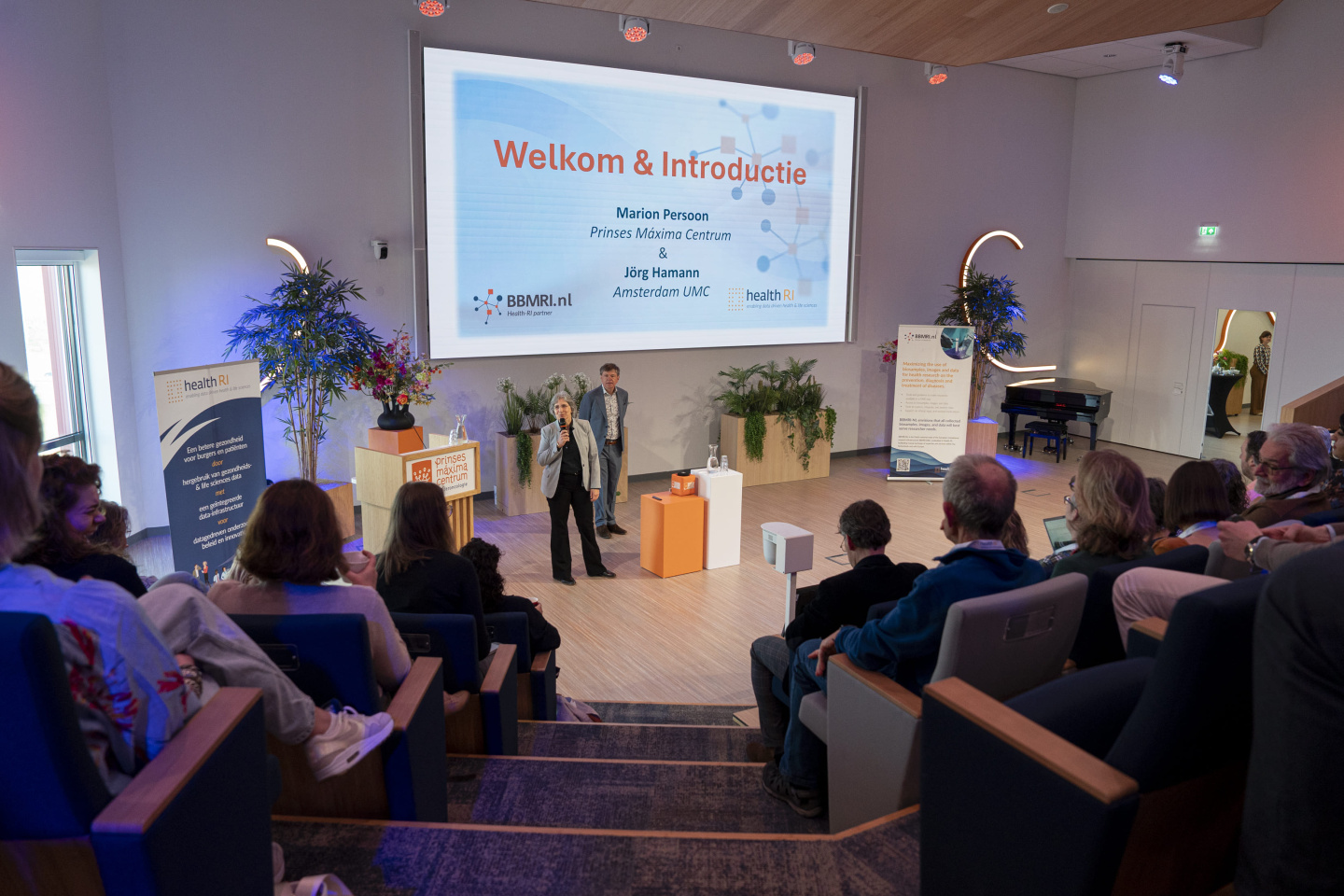
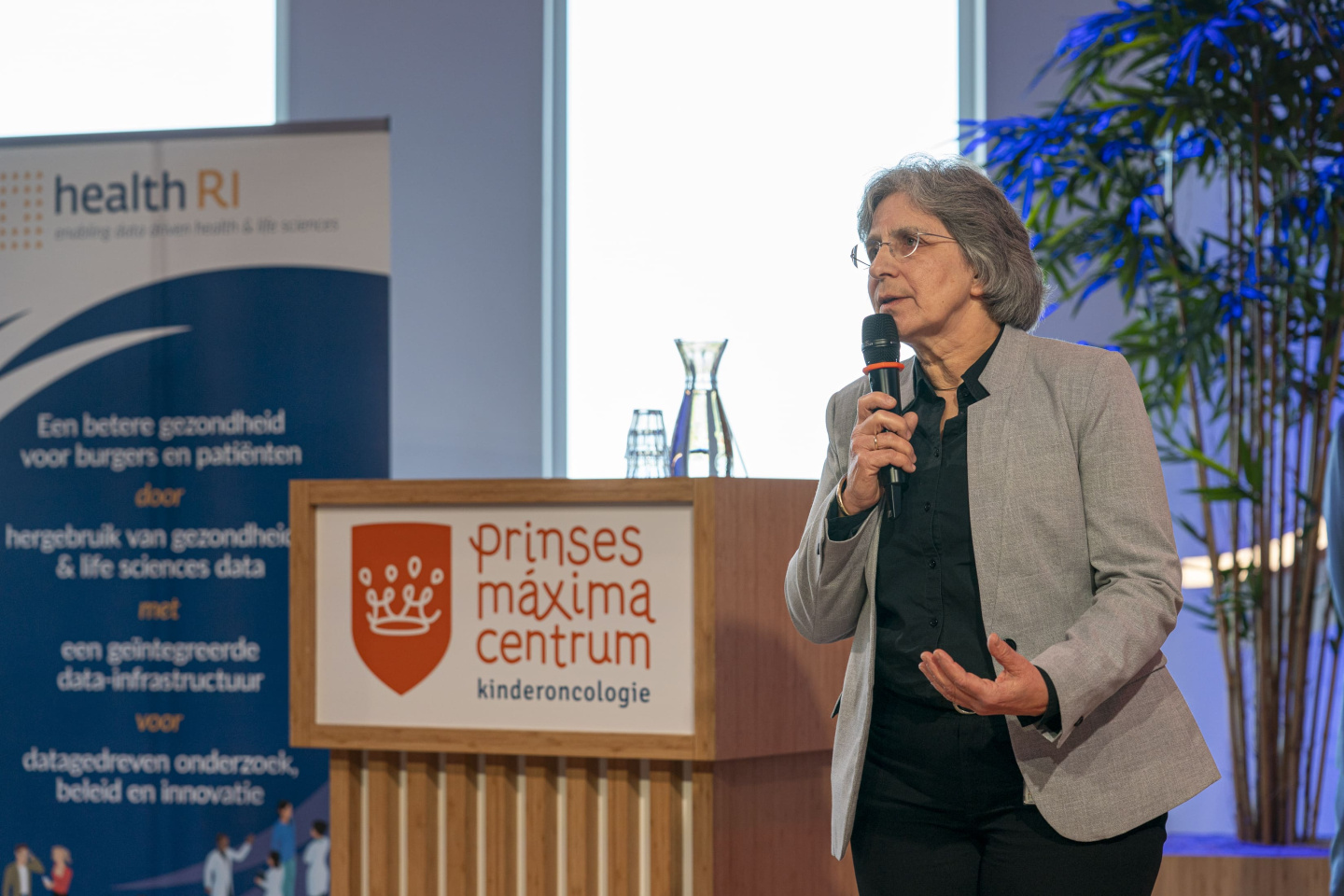
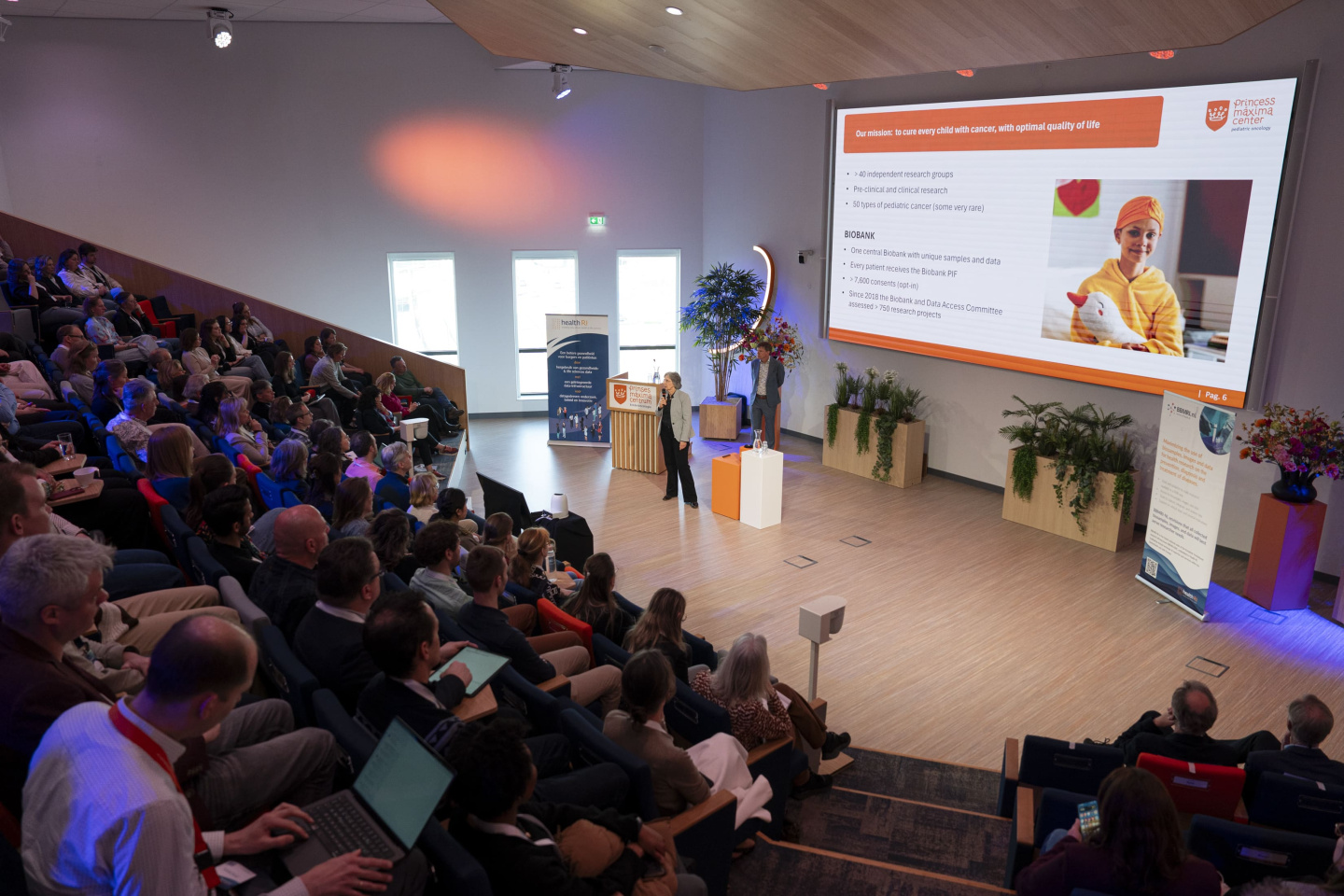
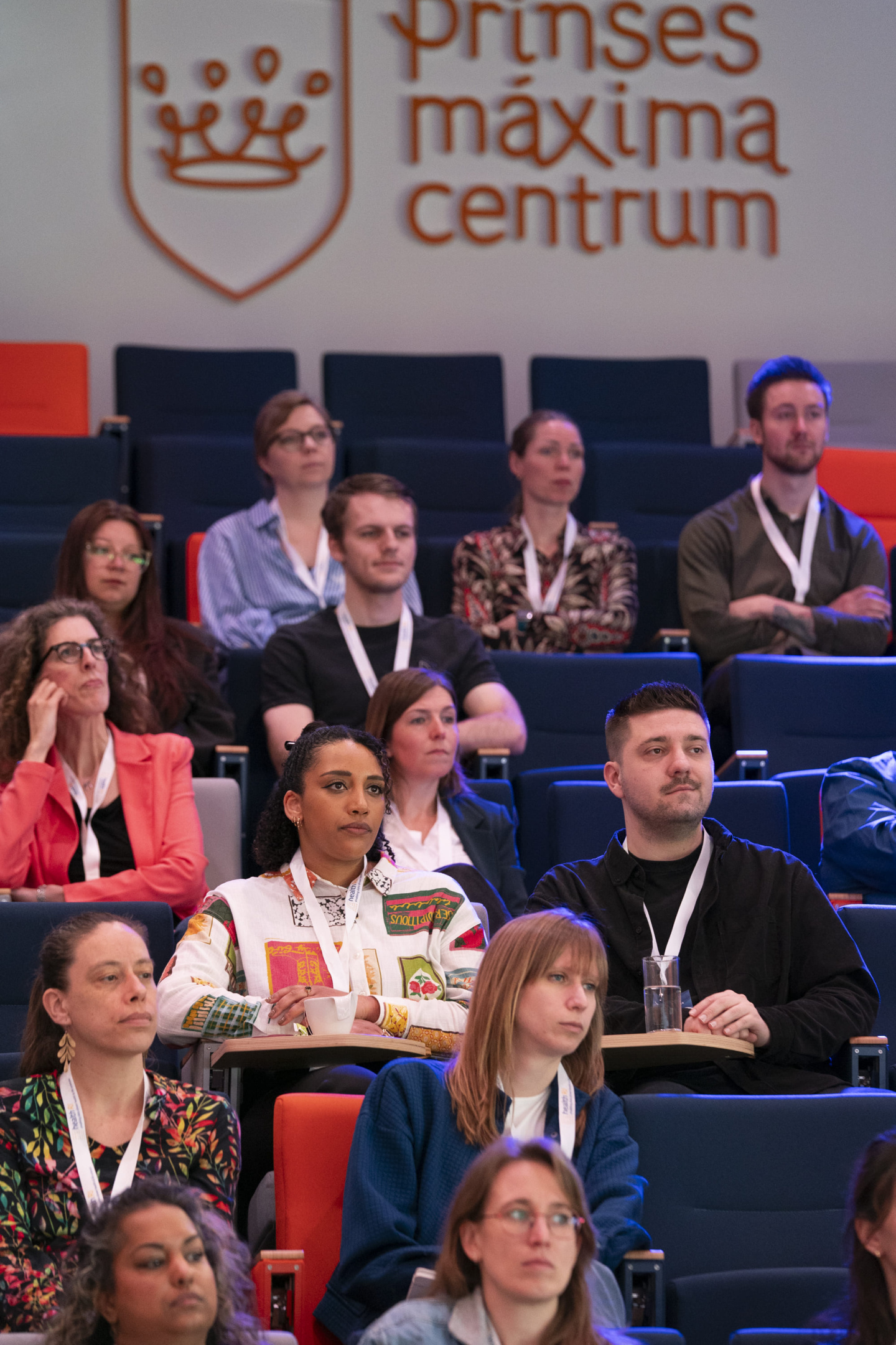
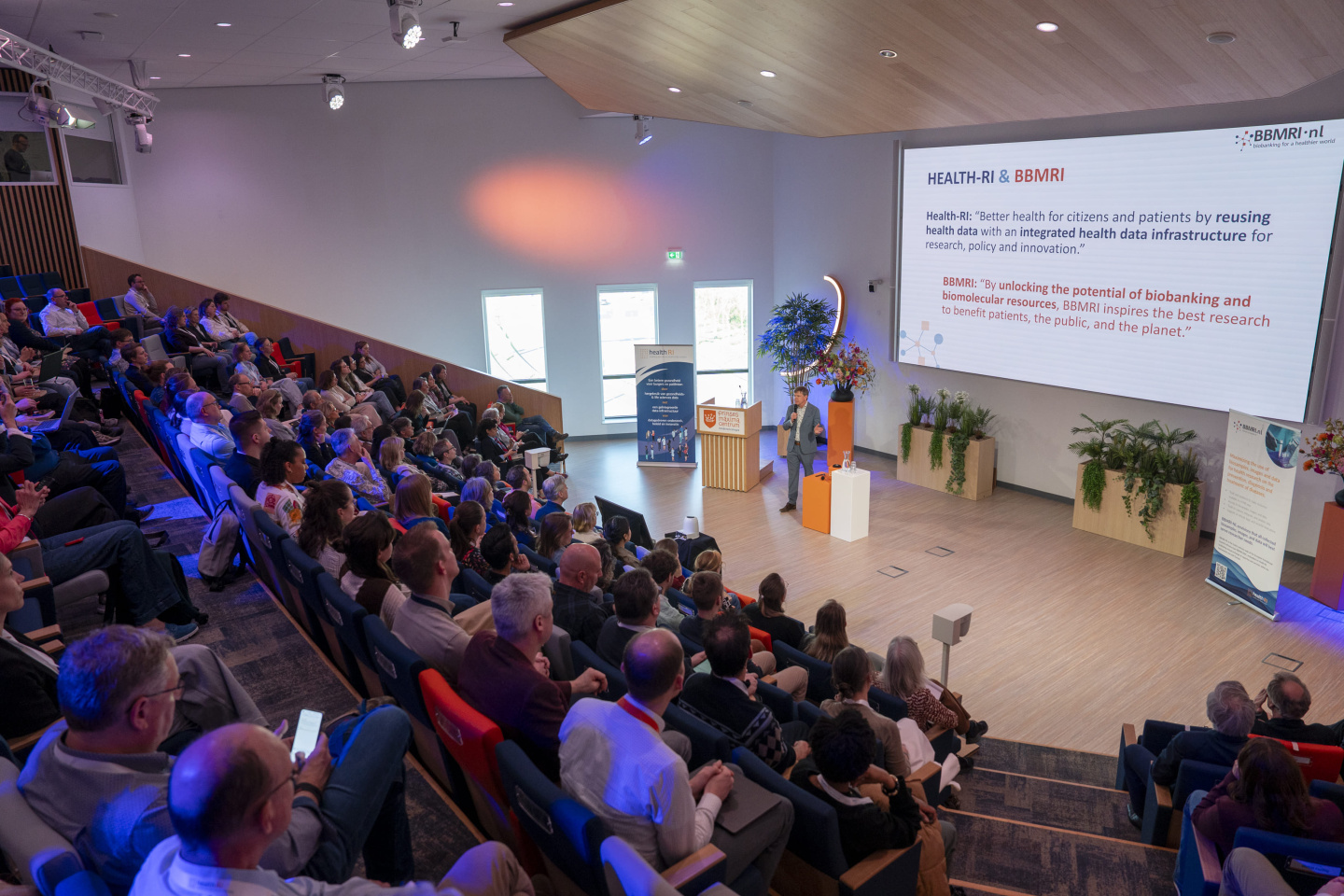
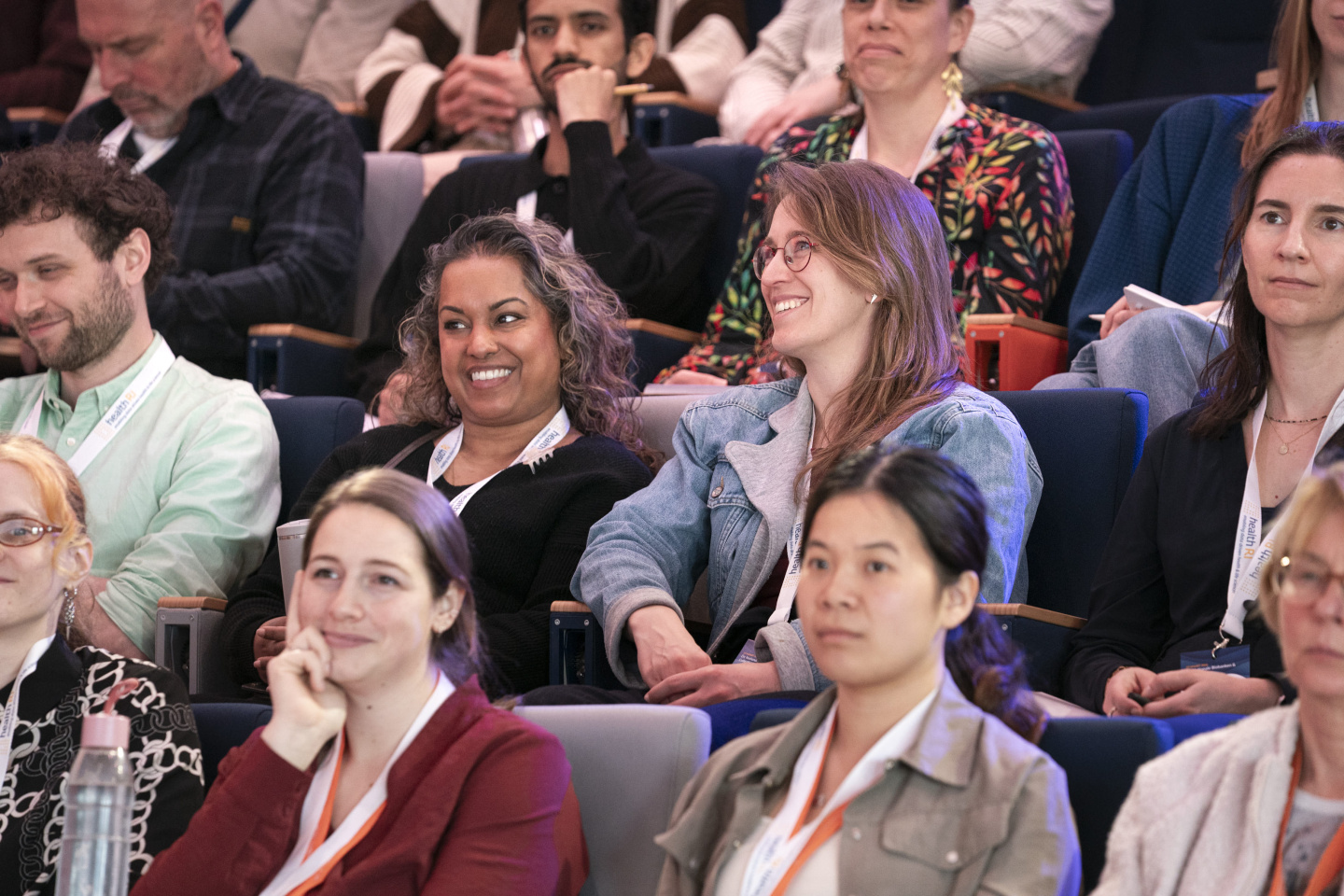
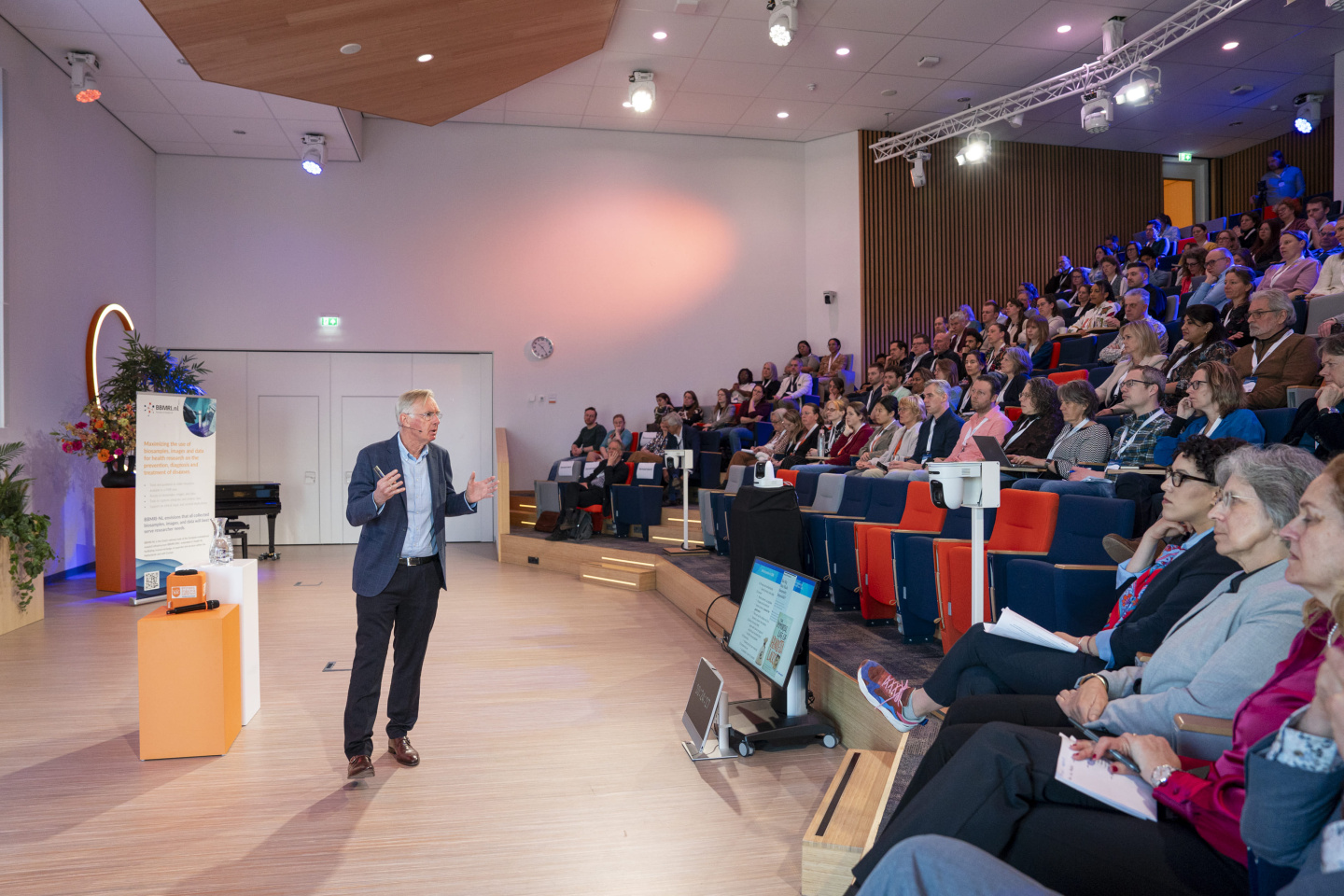
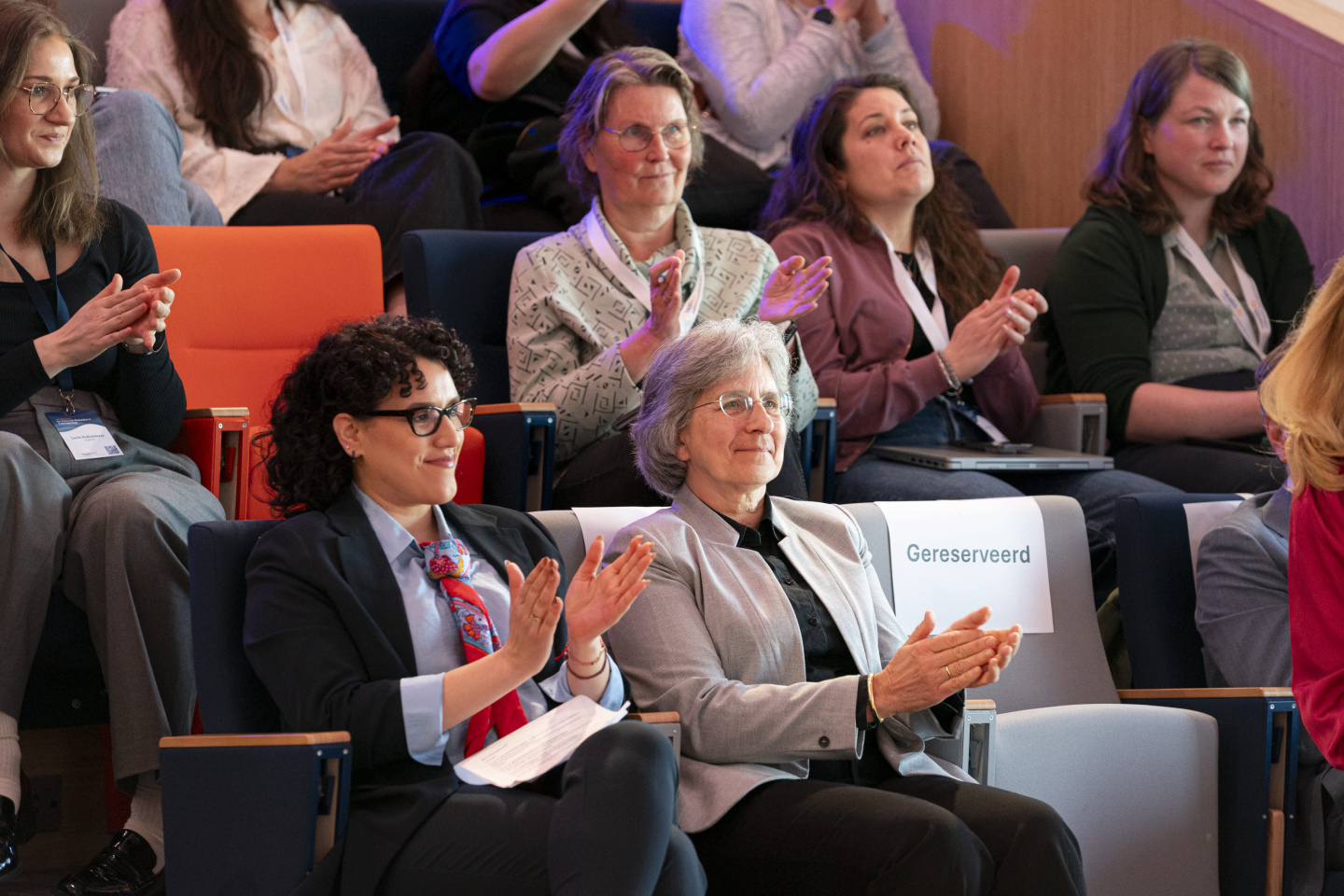
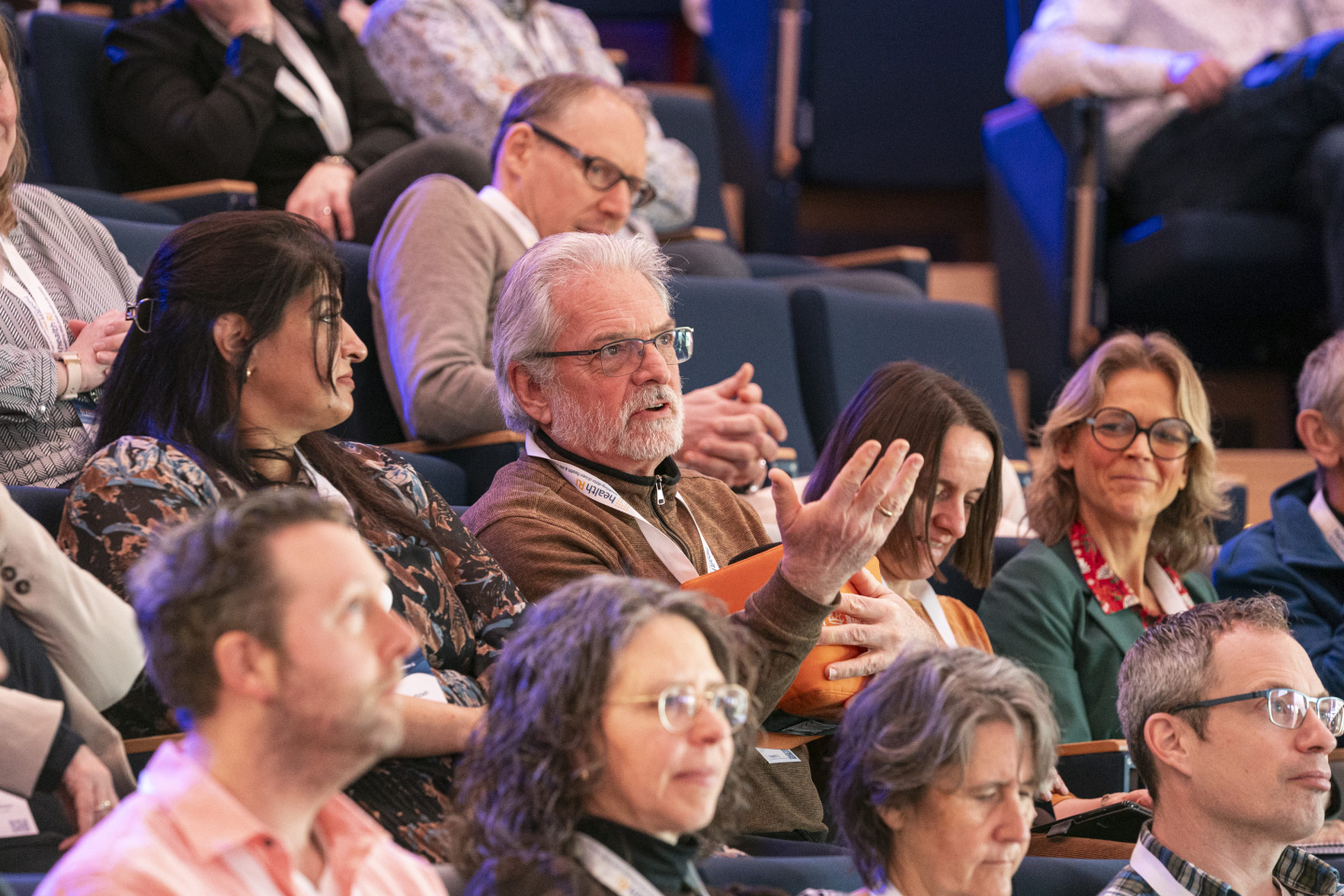
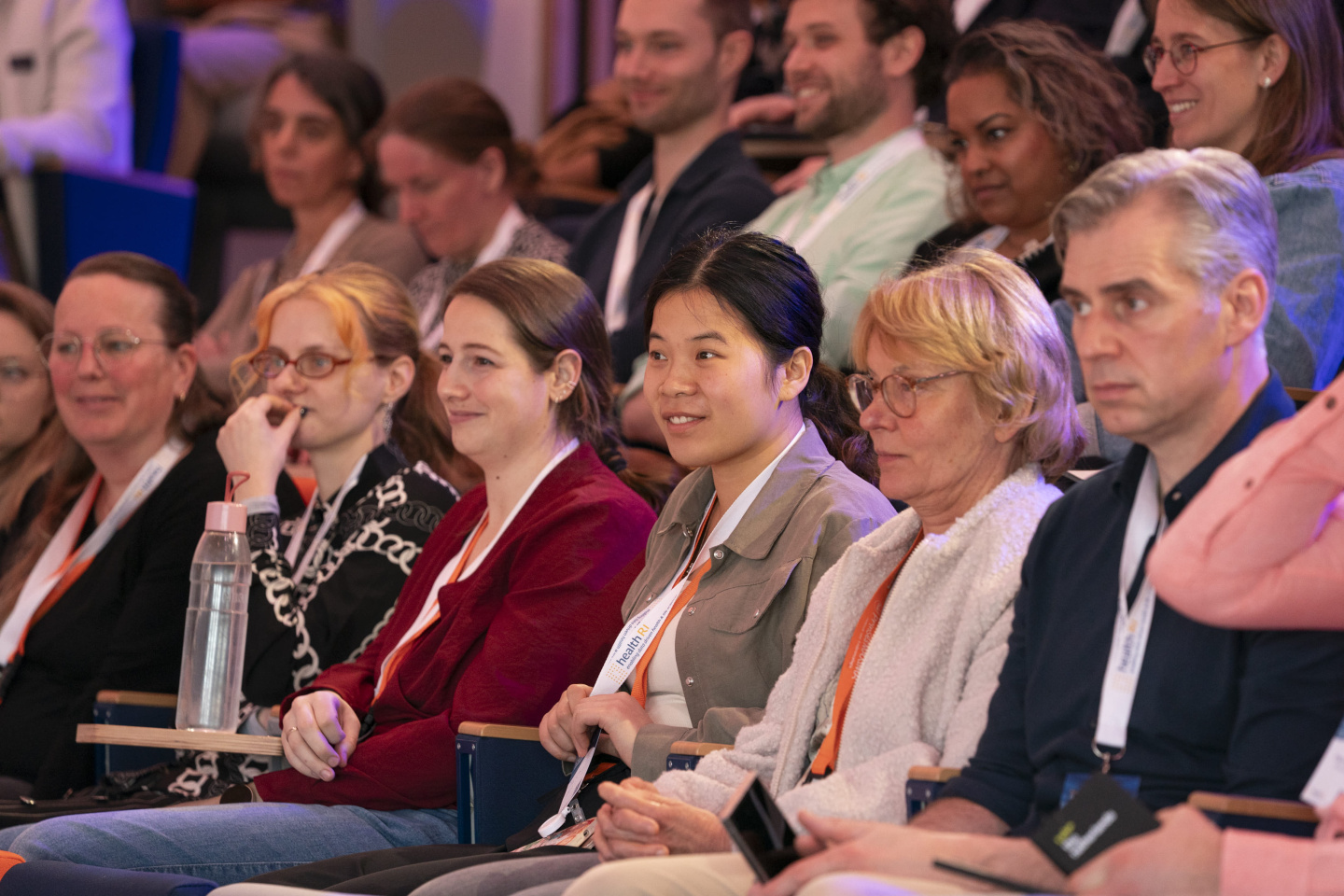
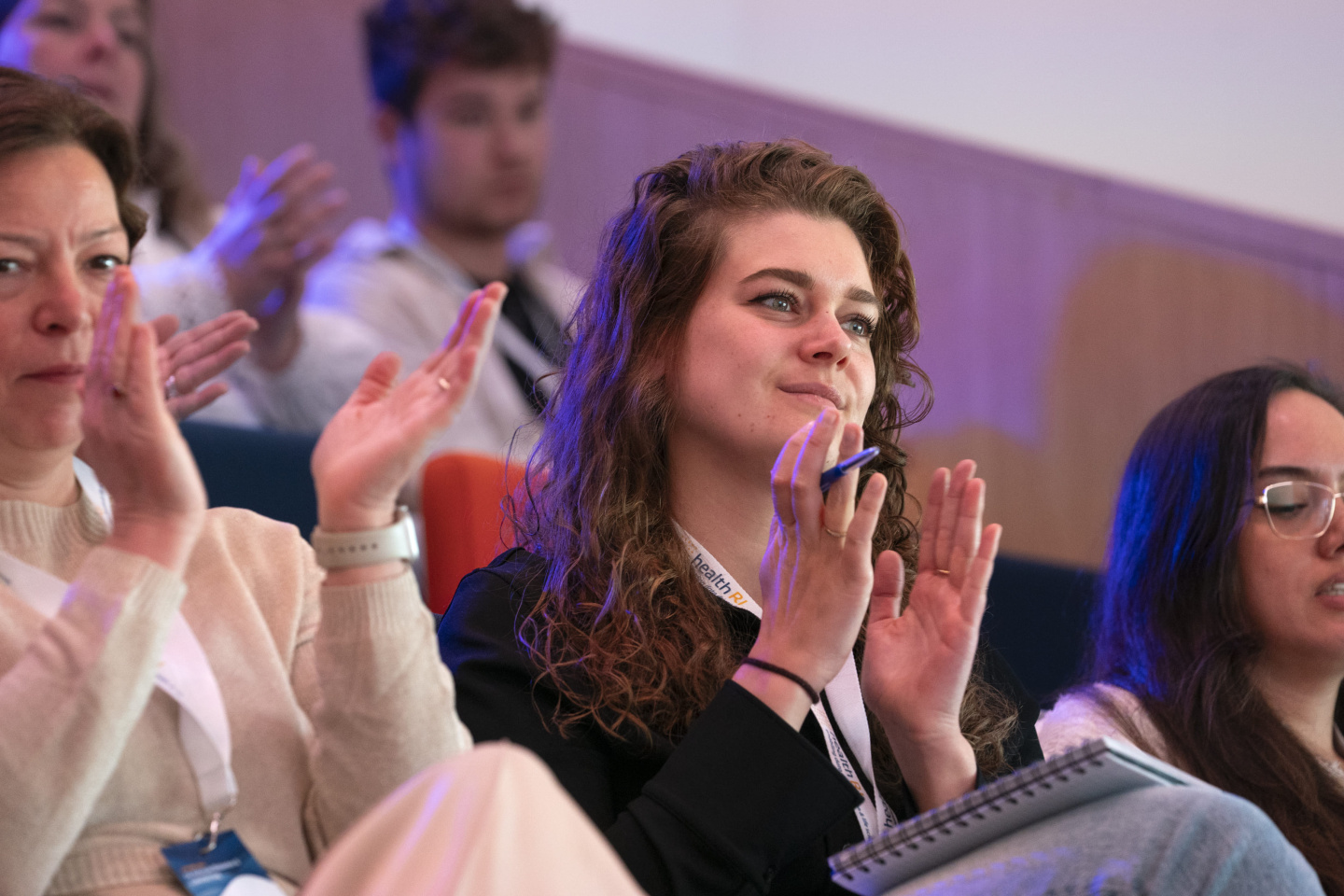
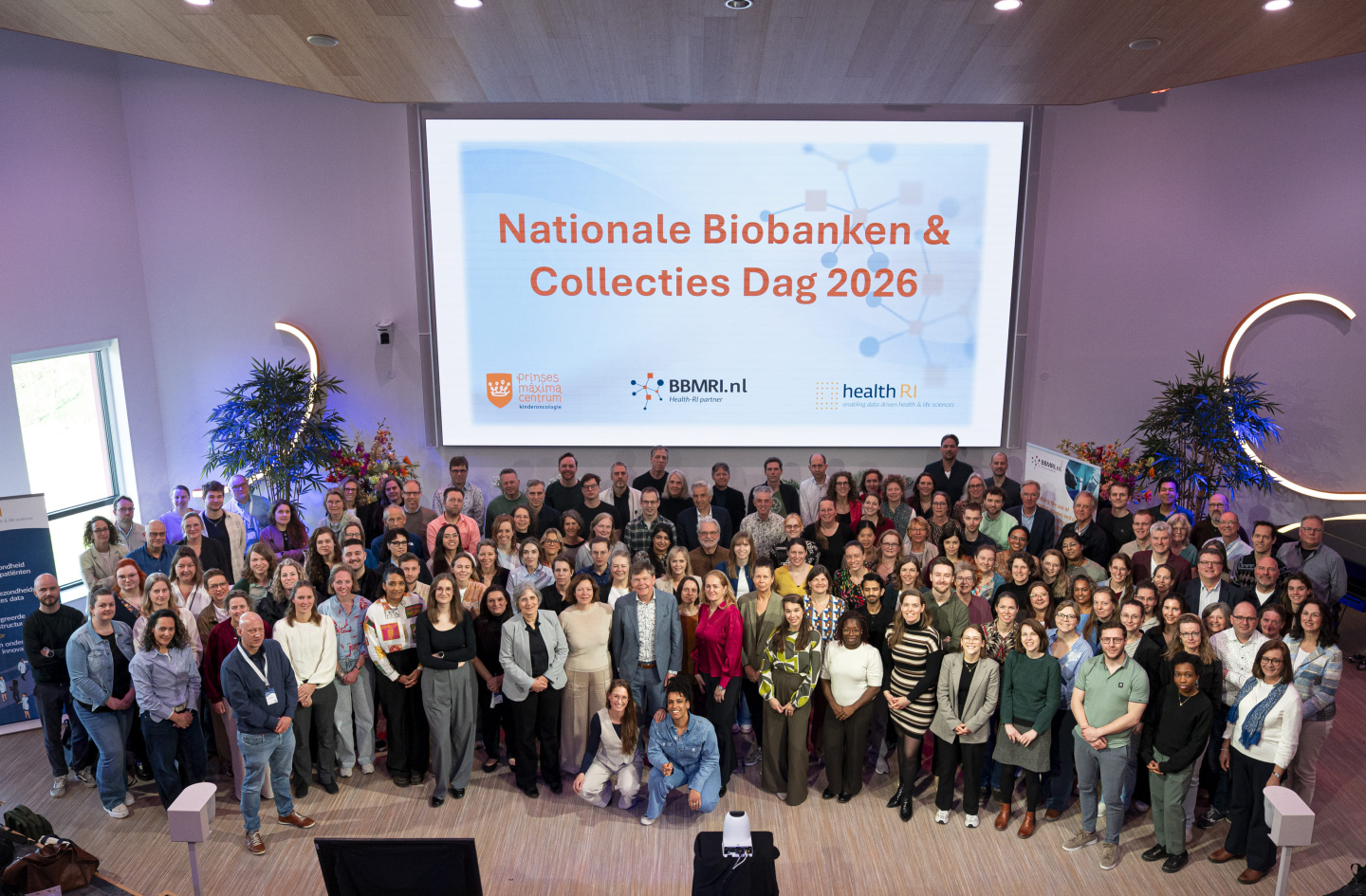
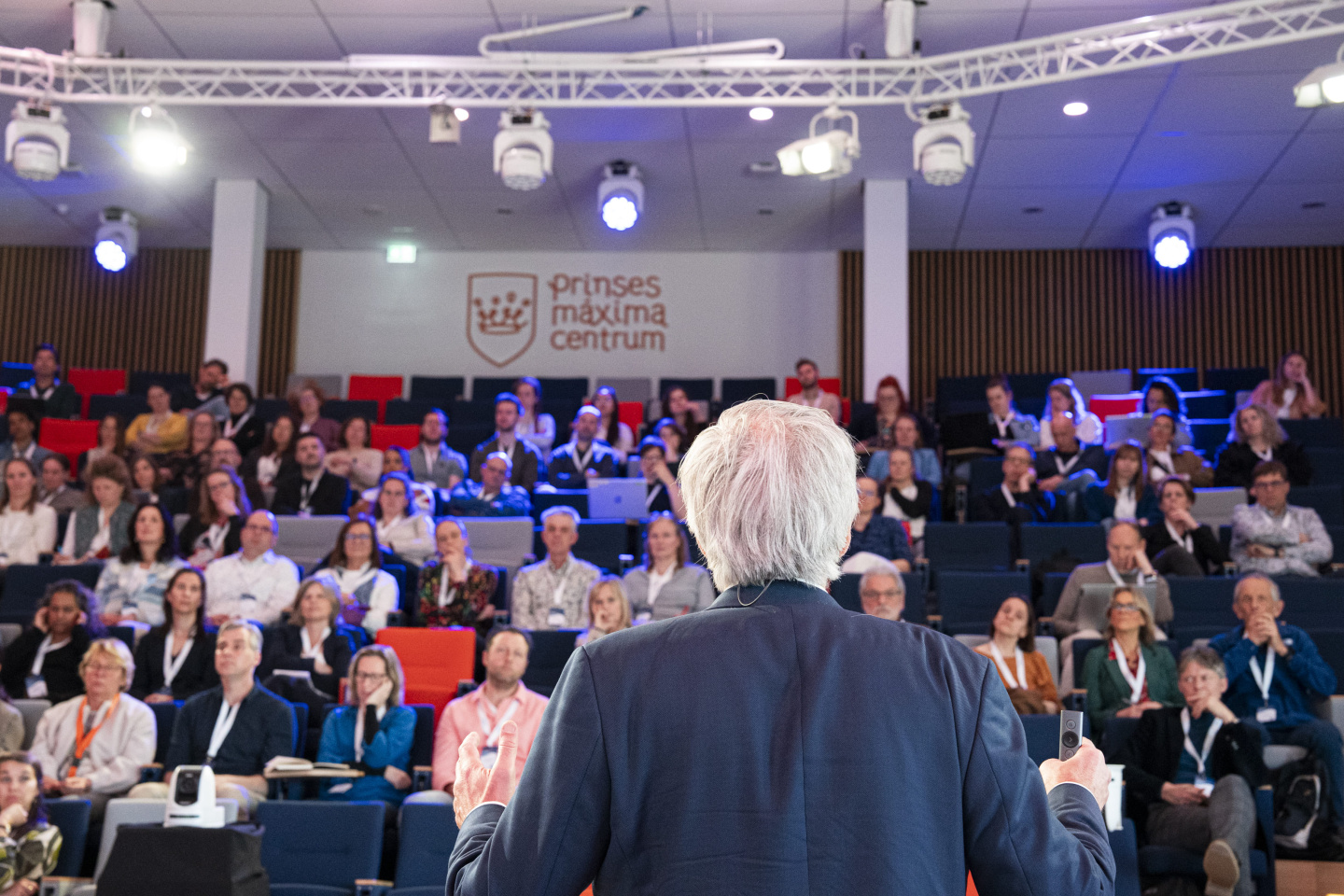
On Thursday, March 19, 2026, the time had finally come again: the Biobank Day, organized by BBMRI.nl in collaboration with Health-RI. This year, we gathered with approximately 150 participants at the Princess Máxima Center in Utrecht.
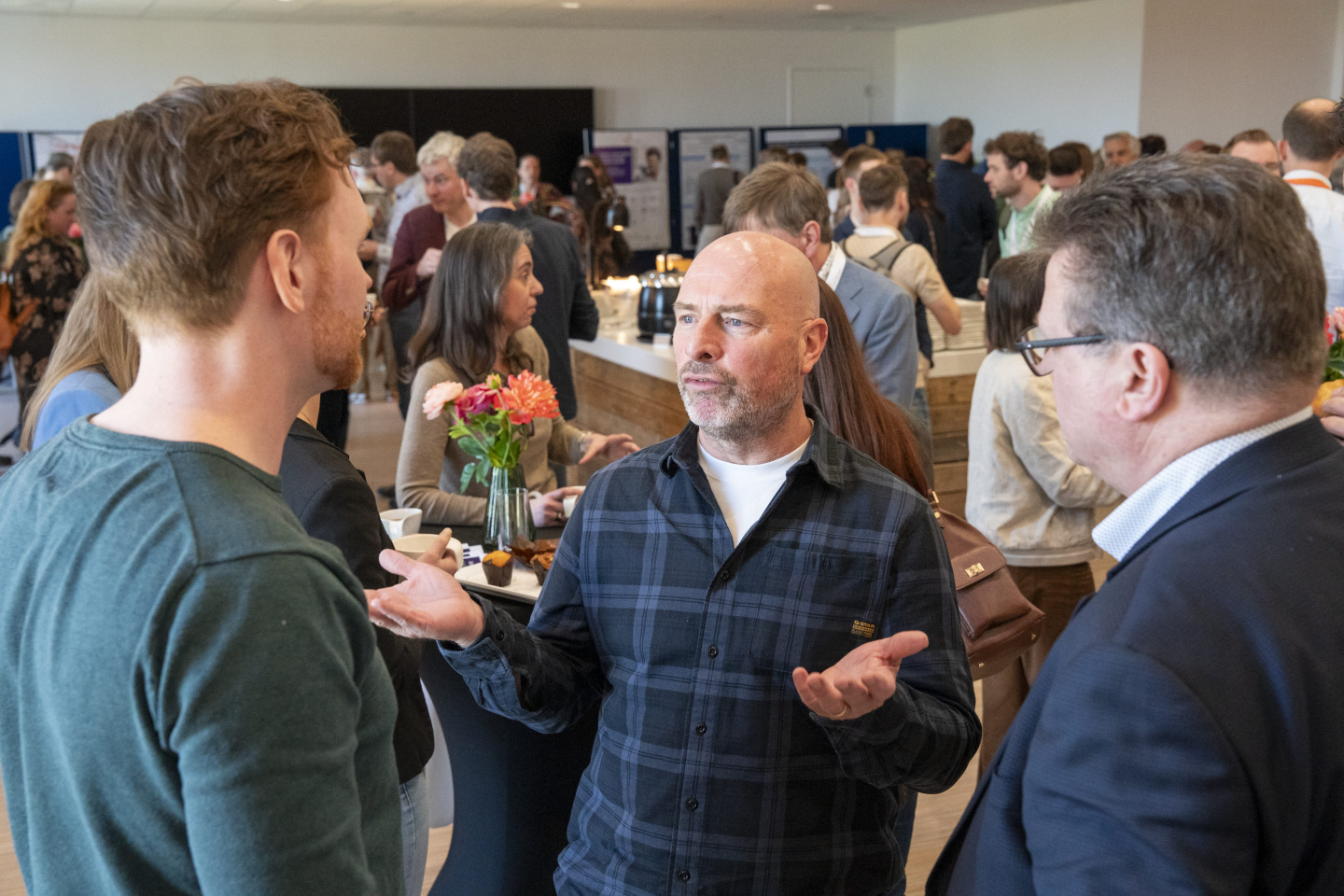
Researchers, biobank professionals, policymakers, and patient representatives came together to discuss the latest developments in the field of biobanking, including the quality of biomaterials, standardization, legislative changes, and data management. In addition, we welcomed patient initiatives focused on involving parents in research on childhood cancer.
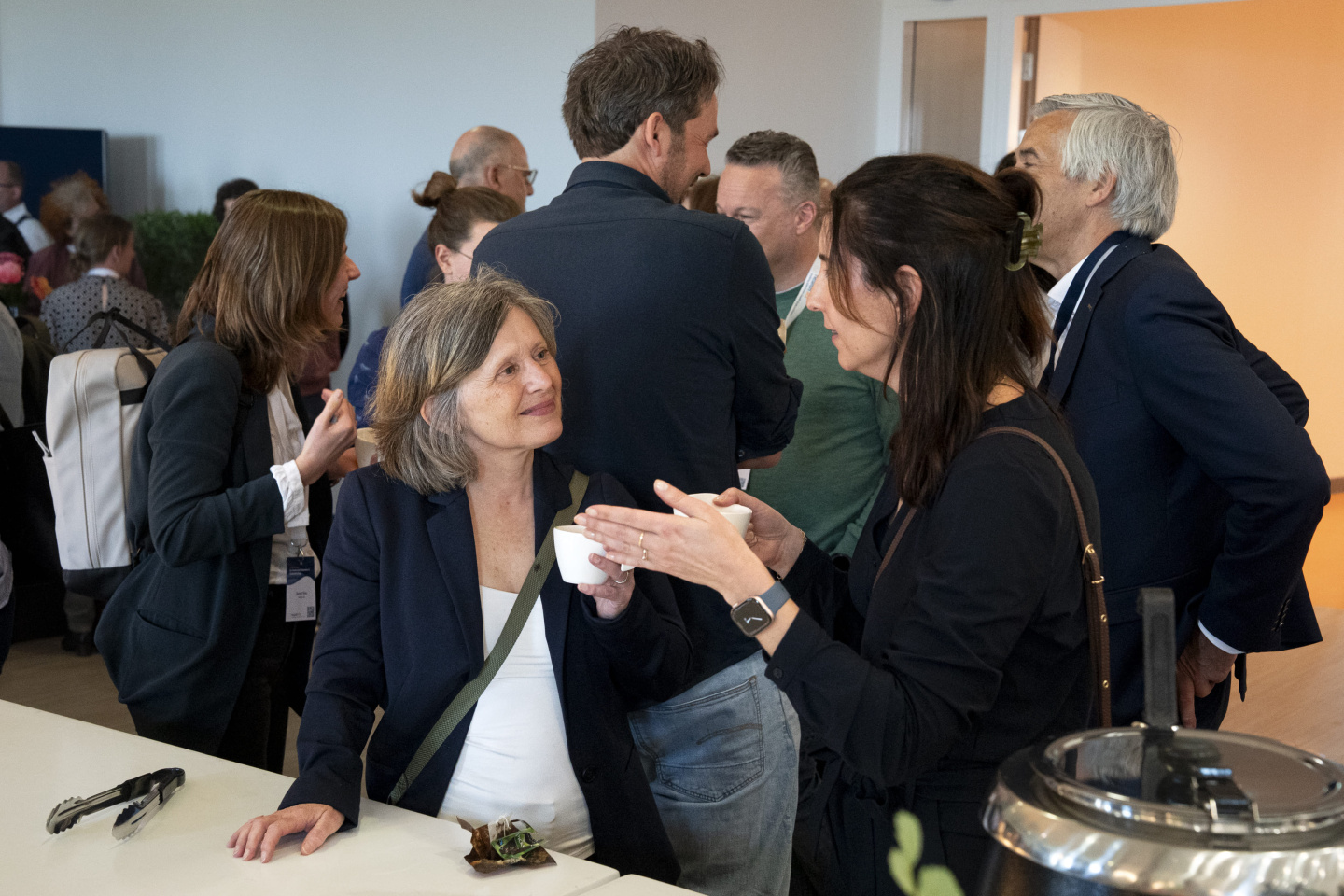
This day provided an opportunity to share knowledge, strengthen collaboration, and jointly build future-proof biobanks and collections.
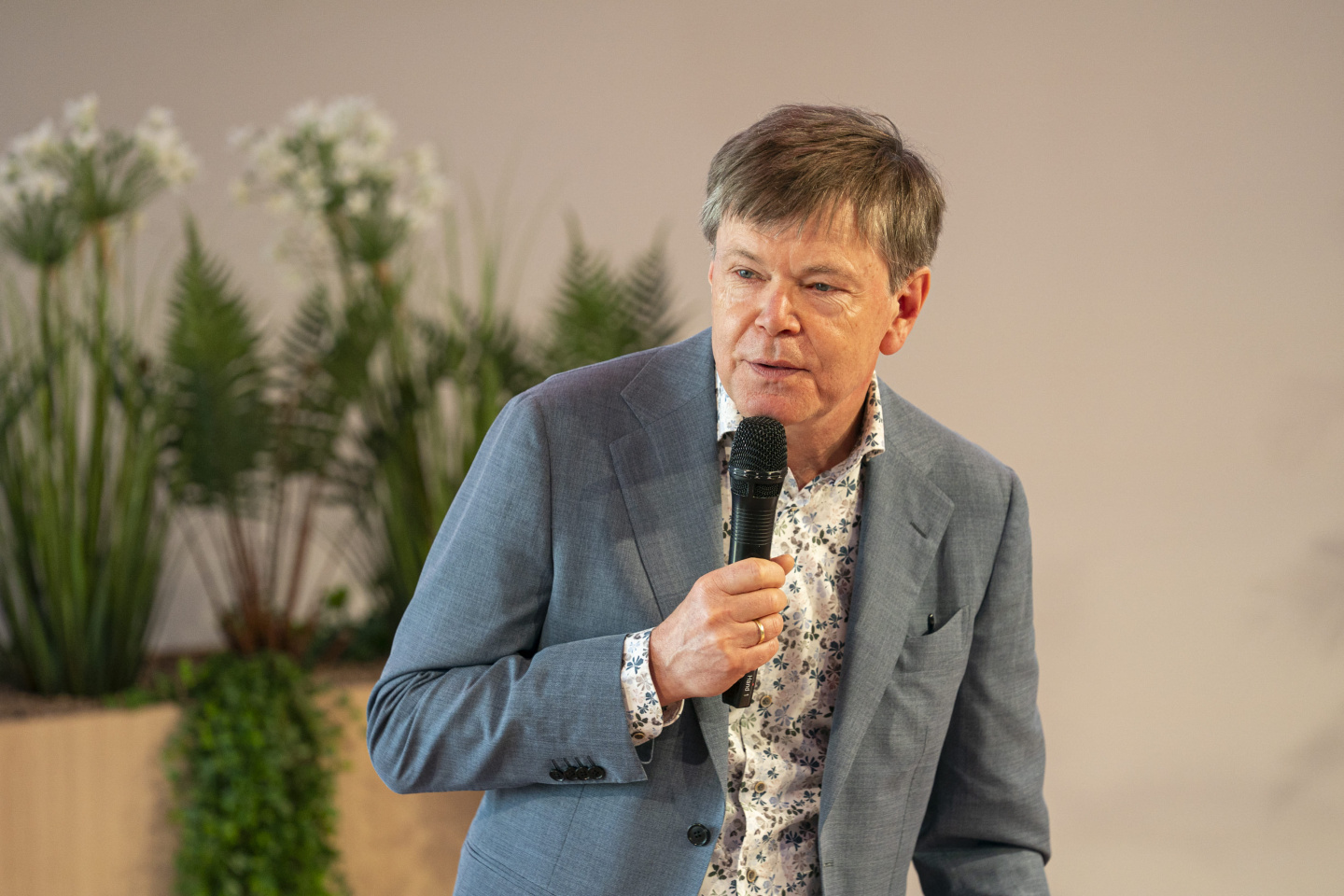
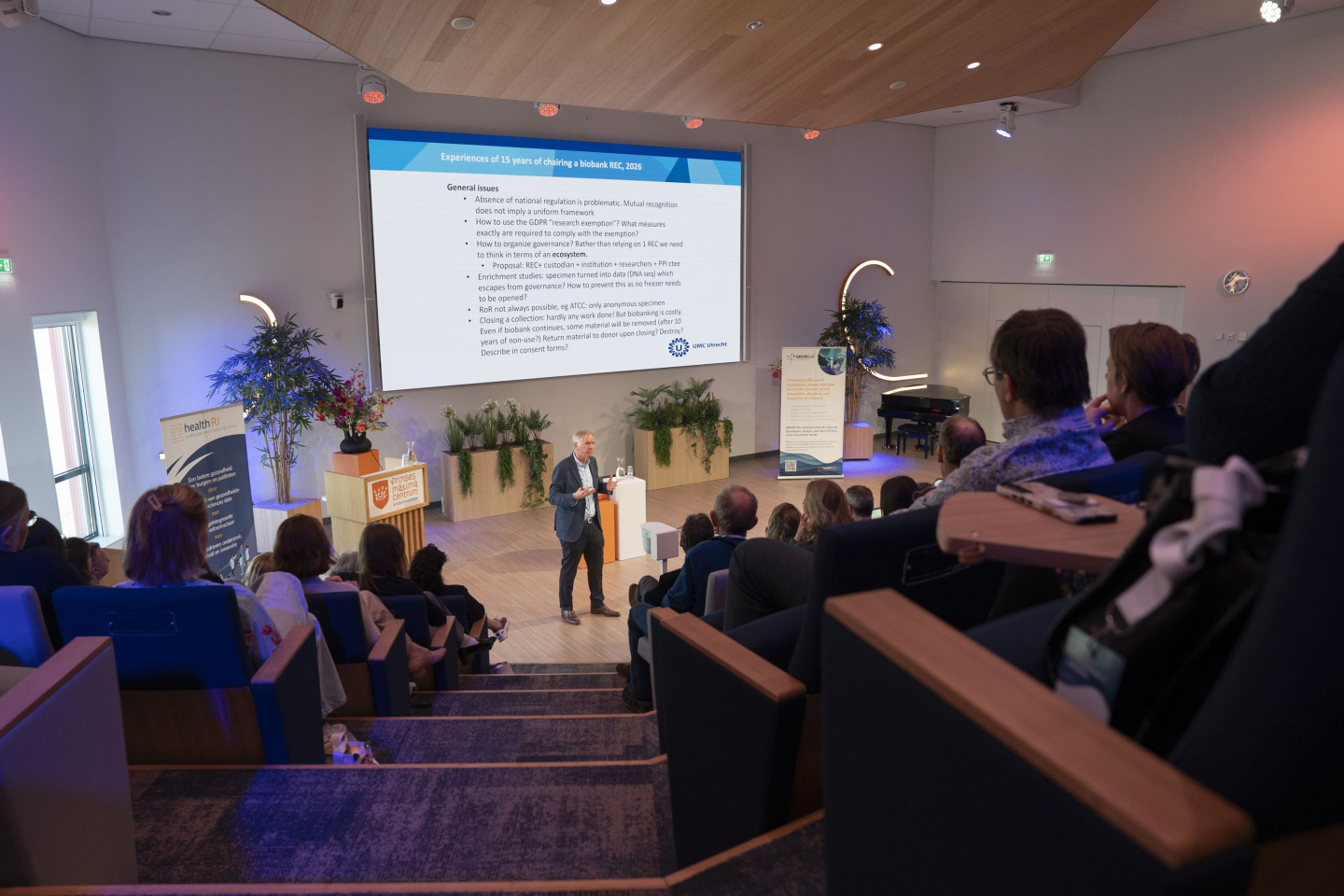
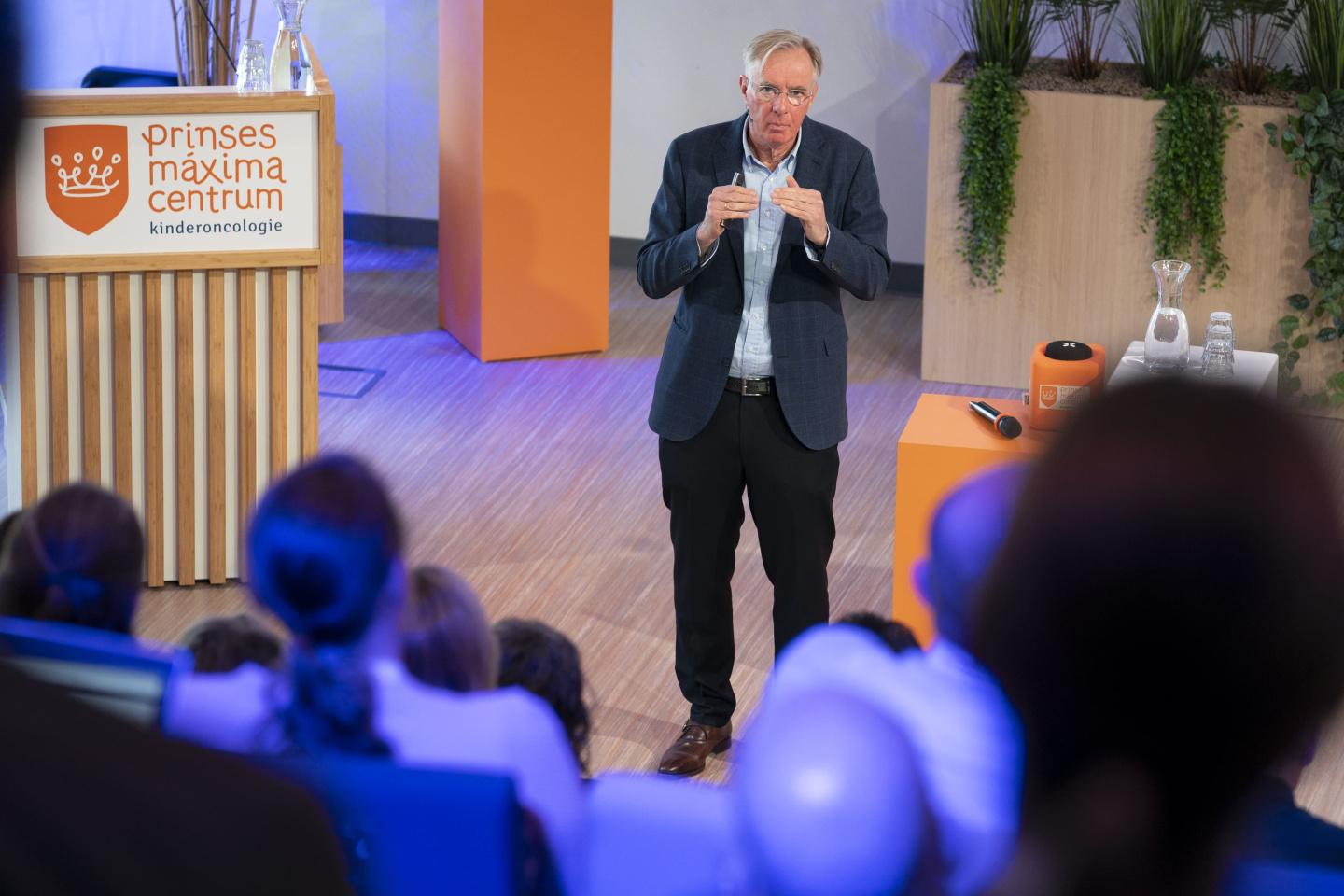
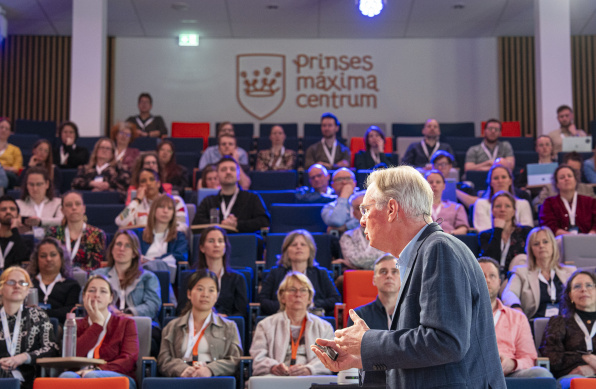 Hans van Delden on the harmonization of ELSI frameworks
Biobanks in Transition
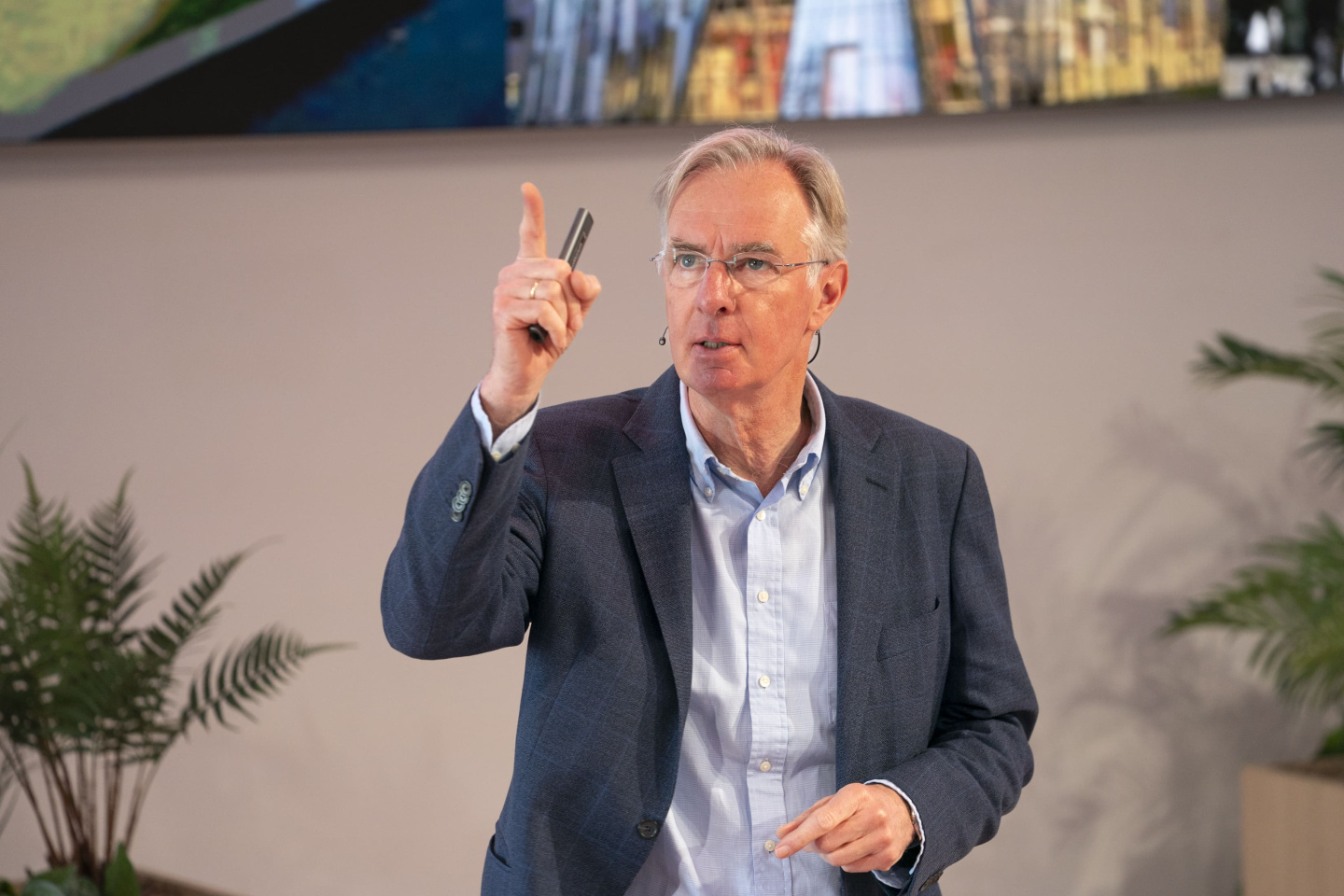
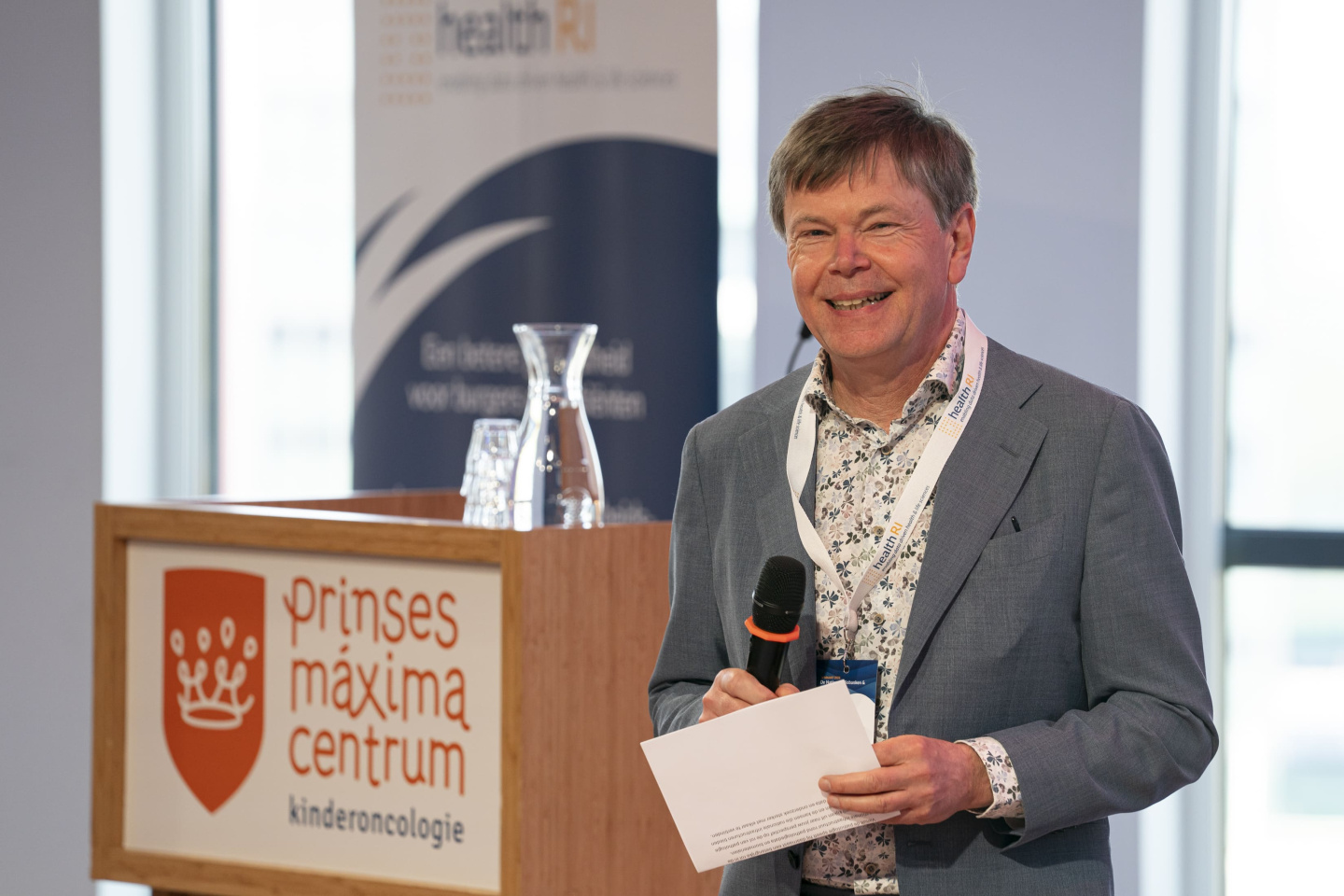
The day kicked off with a session on changes within the biobank landscape. Hans van Delden (University Medical Center Utrecht) spoke about the development and harmonization of ELSI frameworks for biobanks. The first ethical challenges date back to the early 2000s. Topics included privacy, consent, ownership, return of results, and commercial use, with attention also to broad consent and governance.
In 2026, a shift in ethical challenges is visible: anonymity is no longer sustainable, secondary use is increasingly moving toward opt-out models, and the return of results should not be an obligation but rather a choice for participants.
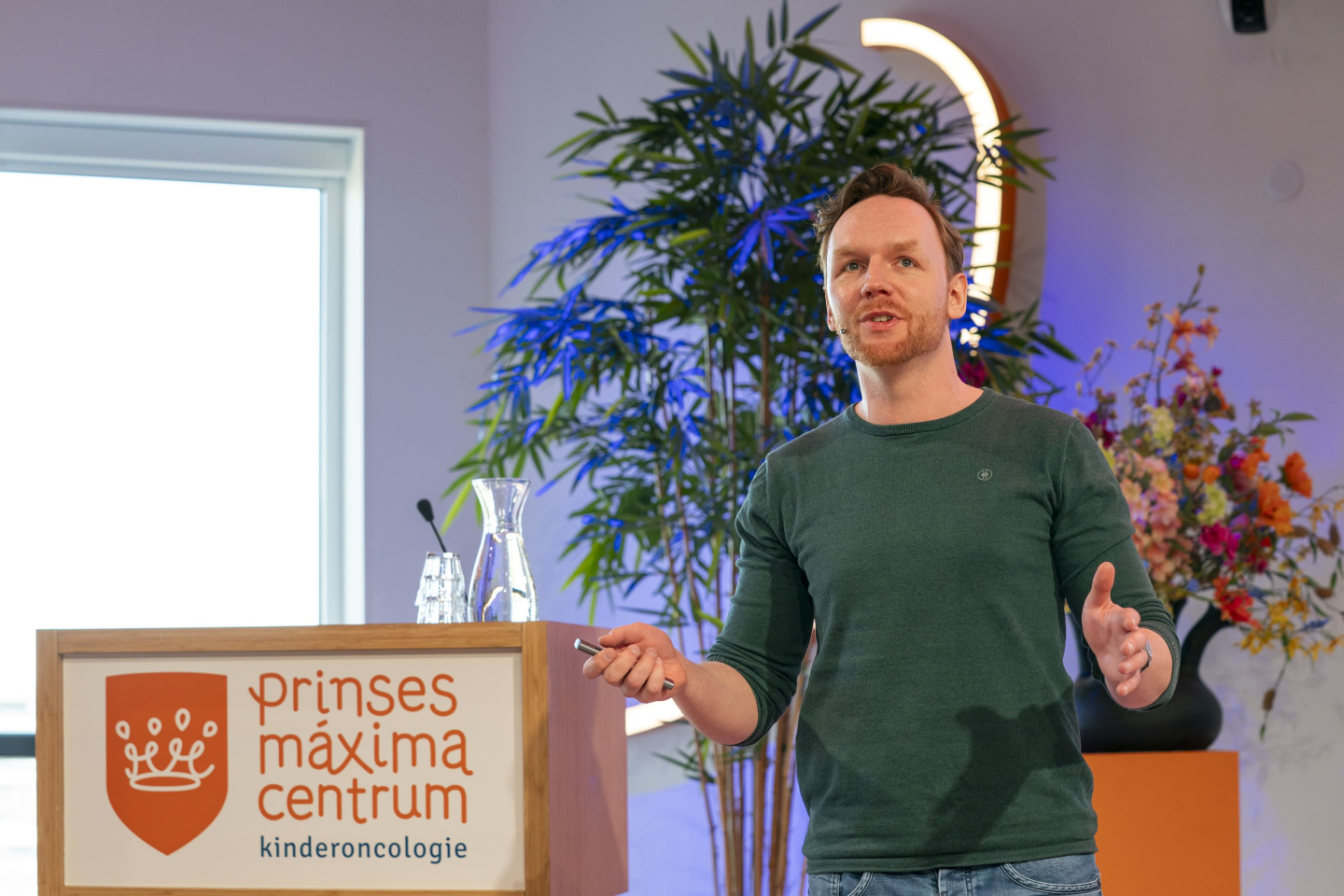
Next, Aram de Haas (Amsterdam UMC) emphasized a path toward a greener future for biobanks by critically examining storage temperatures and methods. Freezers used to cool down to -70°C, but later -80°C became the new standard temperature because colder was considered better. The ULTRA-SAFE study at Amsterdam UMC investigates whether this is truly necessary by storing samples at different temperatures (-60, -70, and -80°C) and analyzing them after 6 months, 1 year, and longer for various molecules. If materials can also be stored at lower temperatures, this would save a significant amount of energy.
In addition, there are other ways to improve sustainability, such as storing fewer or smaller samples and using more efficient storage systems.
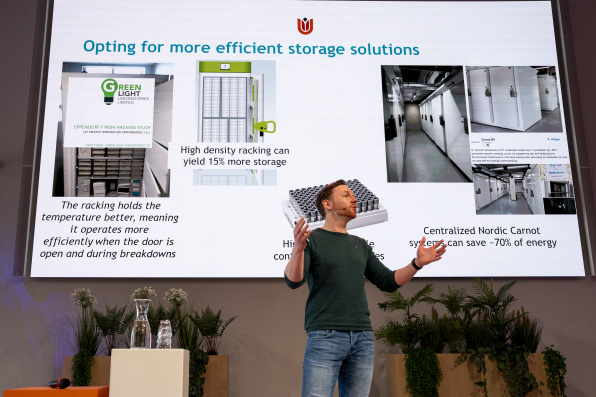 Sustainability of biobanks, discussed in the speech by Aram de Haas
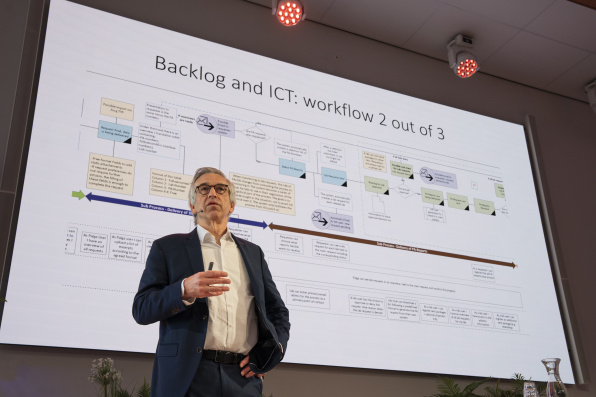 Folkert van Kemenade
Uniformity in Collection
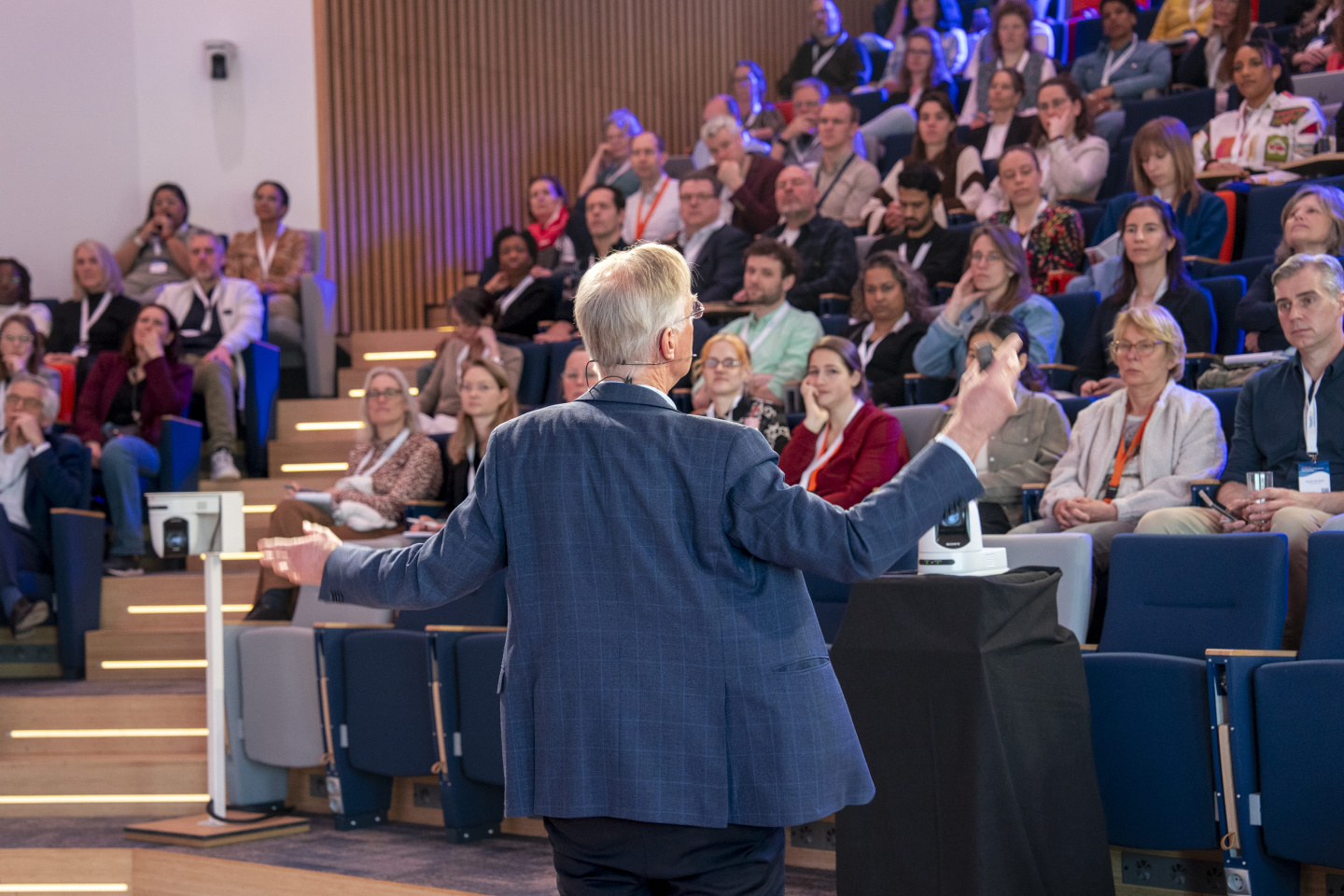
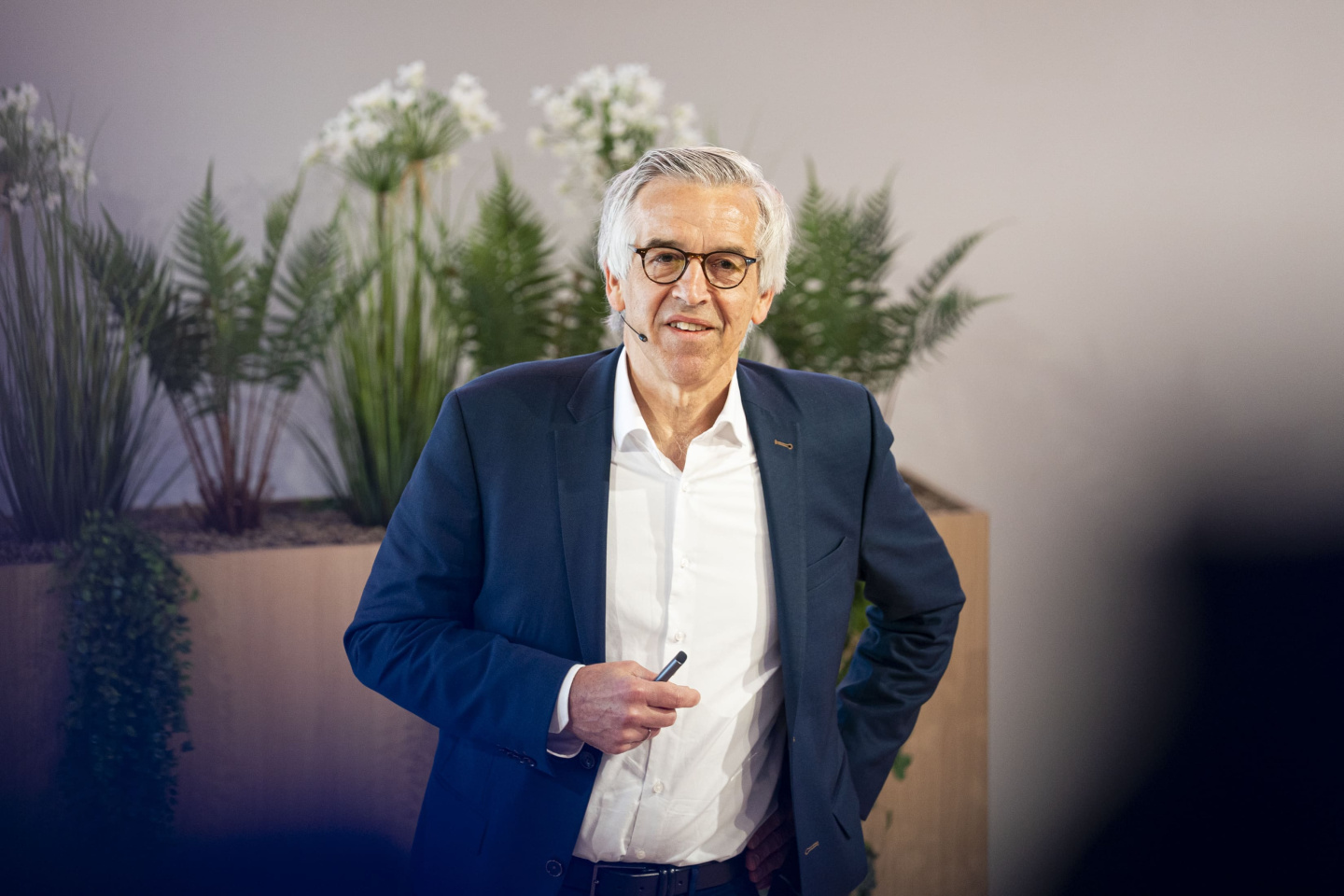
The keynote speaker of this year was Professor Folkert van Kemenade, head of the Department of Pathology at Erasmus MC. Within BBMRI.nl, he played a crucial role in the development and application of infrastructures for tissue biobanking and pathology data, bridging clinical practice and national data access.
Much of BBMRI.nl’s knowledge has been consolidated via Health-RI. In addition, Folkert van Kemenade emphasized that we should collectively strive for uniformity in the collection of tissue and associated data. Where we come from, where we are now, and where we want to go was visually illustrated using images of ‘towers’: starting with Bruegel’s Tower of Babel and ending with a modern apartment building as the desired endpoint.
Pathology archives often contain large groups of patients with similar characteristics or diseases, even though they were not originally set up as study cohorts. Nevertheless, they can be used retrospectively as if they were research cohorts. Therefore, one can say: “Pathology archives can be considered to be hidden cohorts.”
Quality of Research
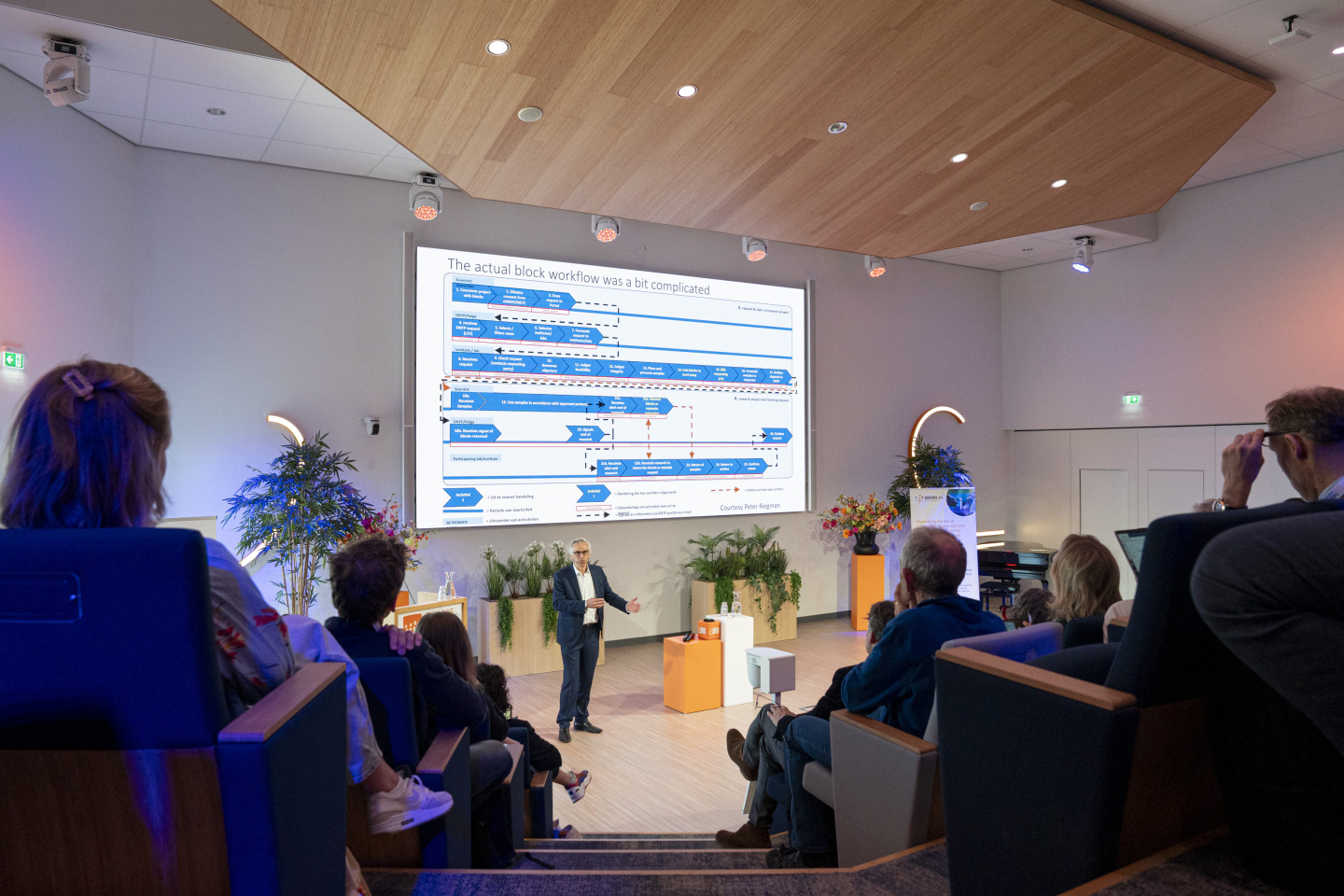
Devin van Valkengoed (Princess Máxima Center) gave a fascinating insight into the world of organoids. He began his lecture with an explanation of the data model within the Princess Máxima Center, which uses unified sample identifiers to link materials and research data to patients via a pseudonym. Organoids are created from diagnostic material based on explicit consent and are fully integrated into this data model.
The process involves extensive quality controls, including whole-genome sequencing and RNA sequencing, and has already produced more than fifty organoids. A portion of these is also accessible to external researchers via the Disqover data platform.
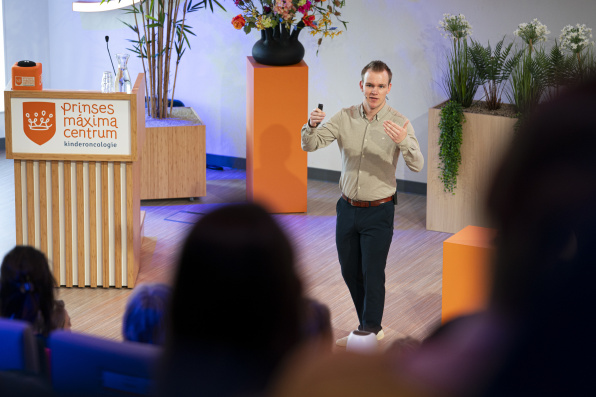 Devin van Valkengoed of the Prinses Máxima Centrum
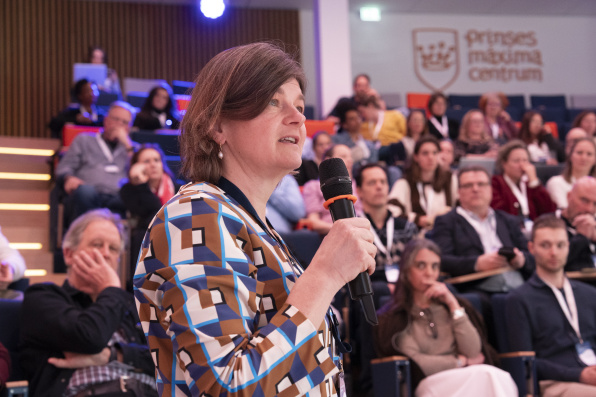 Marian Beekman
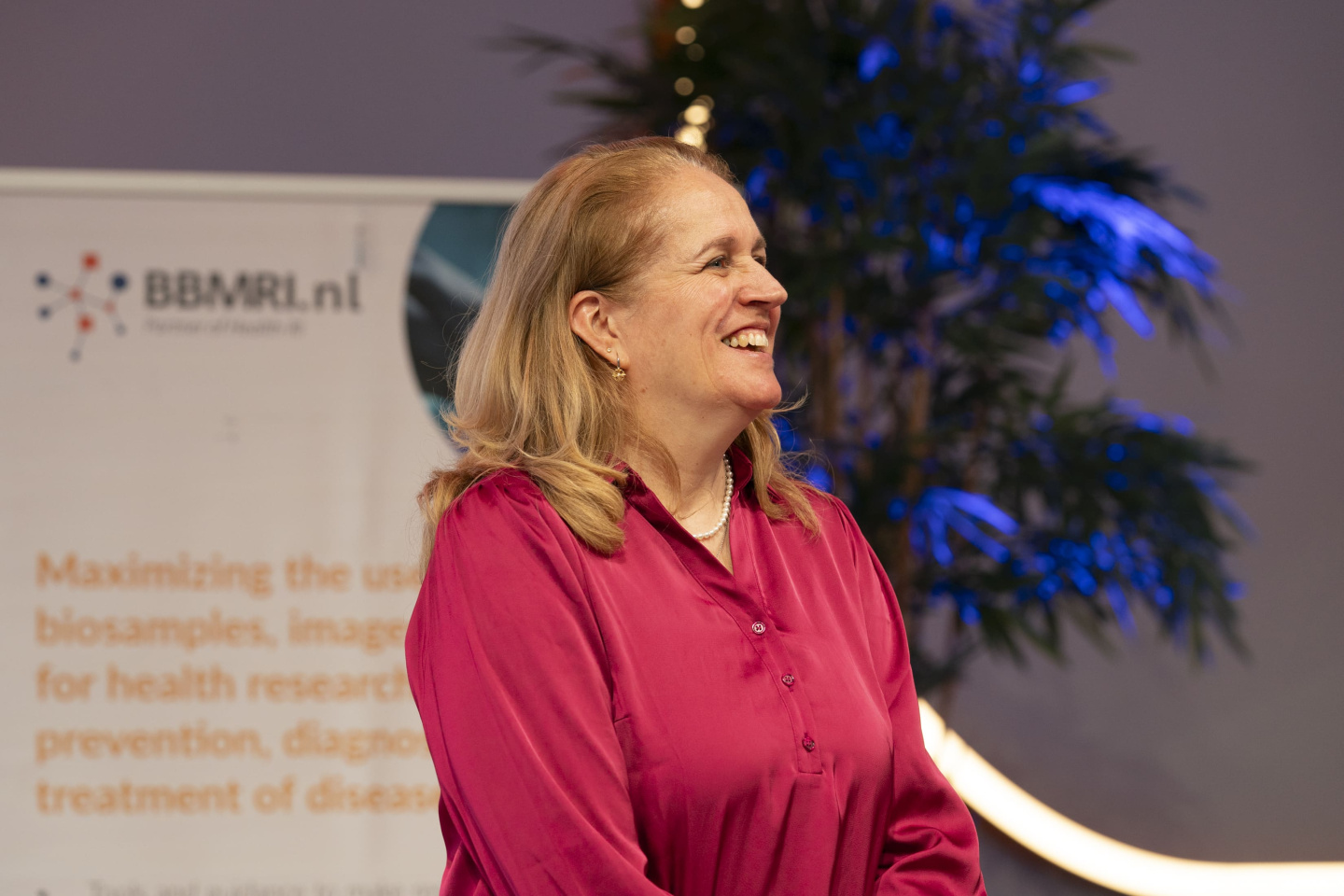
Marian Beekman (Leiden University Medical Center) is involved in the Netherlands Cohort Consortium (Netherlands Cohort Consortium), which consists of 11 cohort studies. At the end of 2025, they received a grant of over 17 million euros, which they aim to use to realize a single national cohort with data from nearly half a million Dutch citizens.
The plans focus on harmonizing data (both prospectively, in collaboration with partners such as BBMRI.nl, and retrospectively), linking datasets (such as CBS and environmental data), and conducting longitudinal measurements. Attention is also given to ethical and legal aspects, including the development of a generic informed consent (discussions are taking place with Health-RI and UMCNL in the context of ‘mutual recognition’) and standard agreements such as a Joint Data Registry Agreement.
In addition, there is a strong emphasis on making use of existing data, knowledge, and resources rather than developing new systems. On the technological side, initiatives such as a local FAIR Data Point and a shared NCC catalog are being pursued. Collaboration and the linking of cohorts lead to better research than using separate datasets.
Citizen initiatives
Involving Families in Childhood Cancer Research
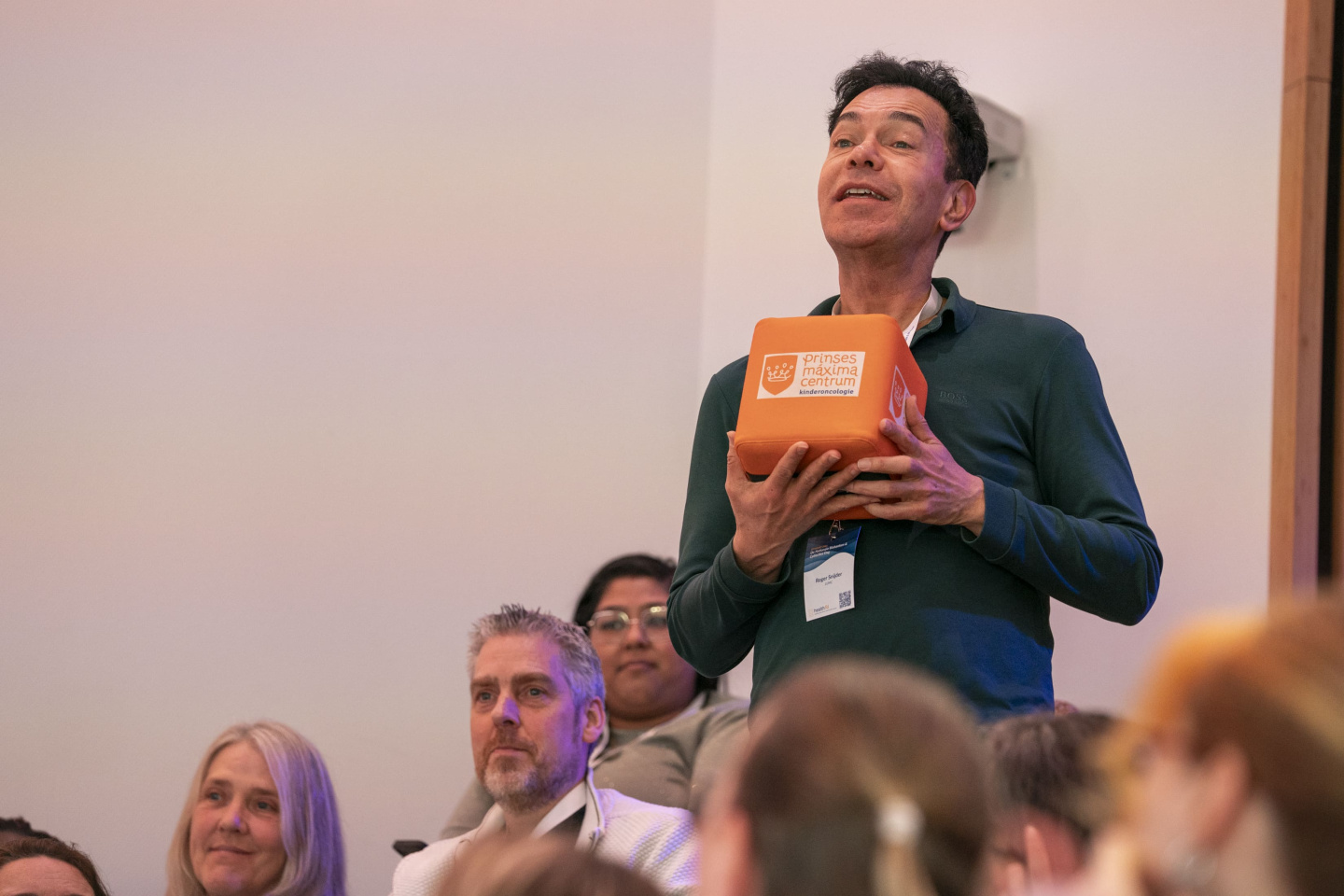
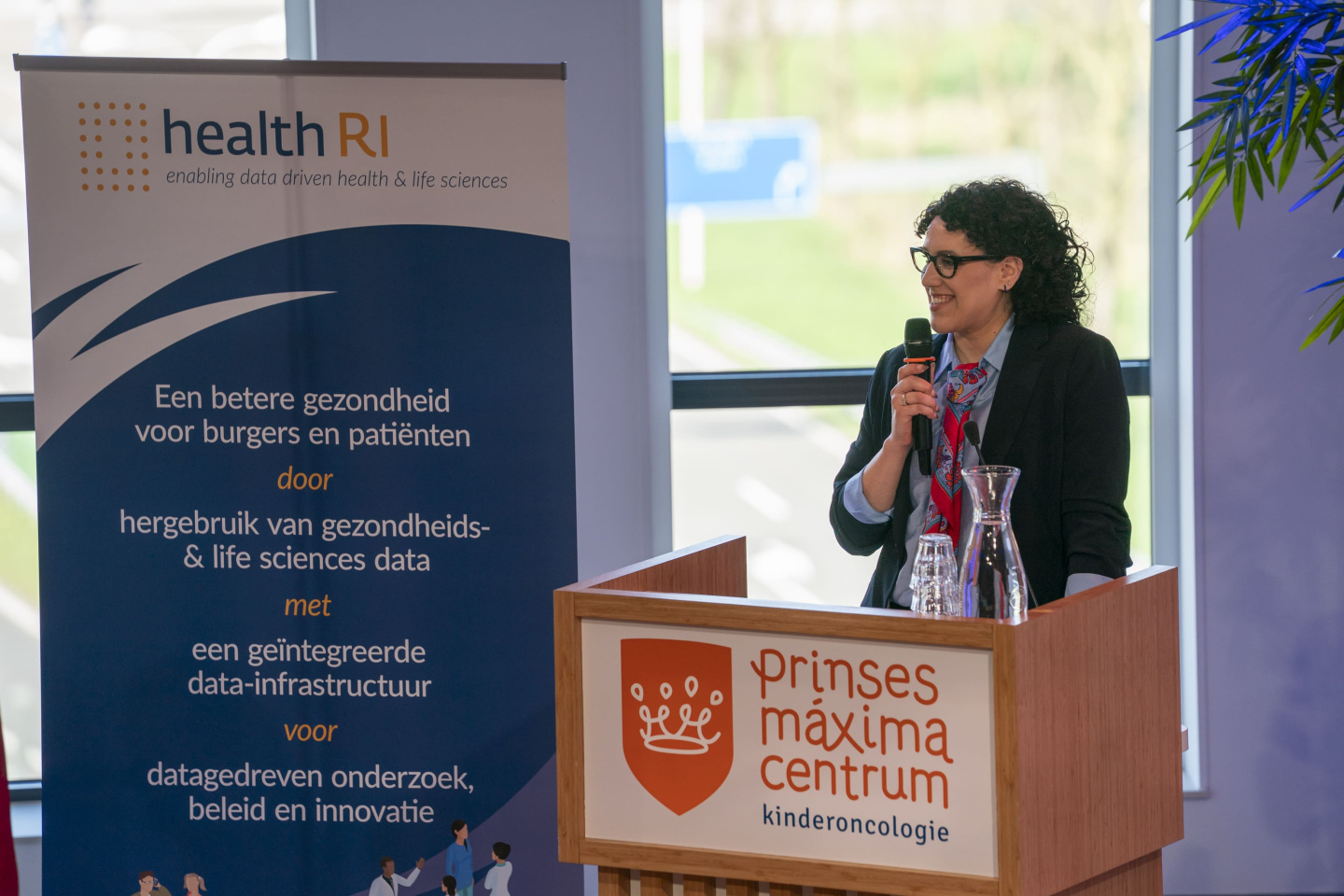
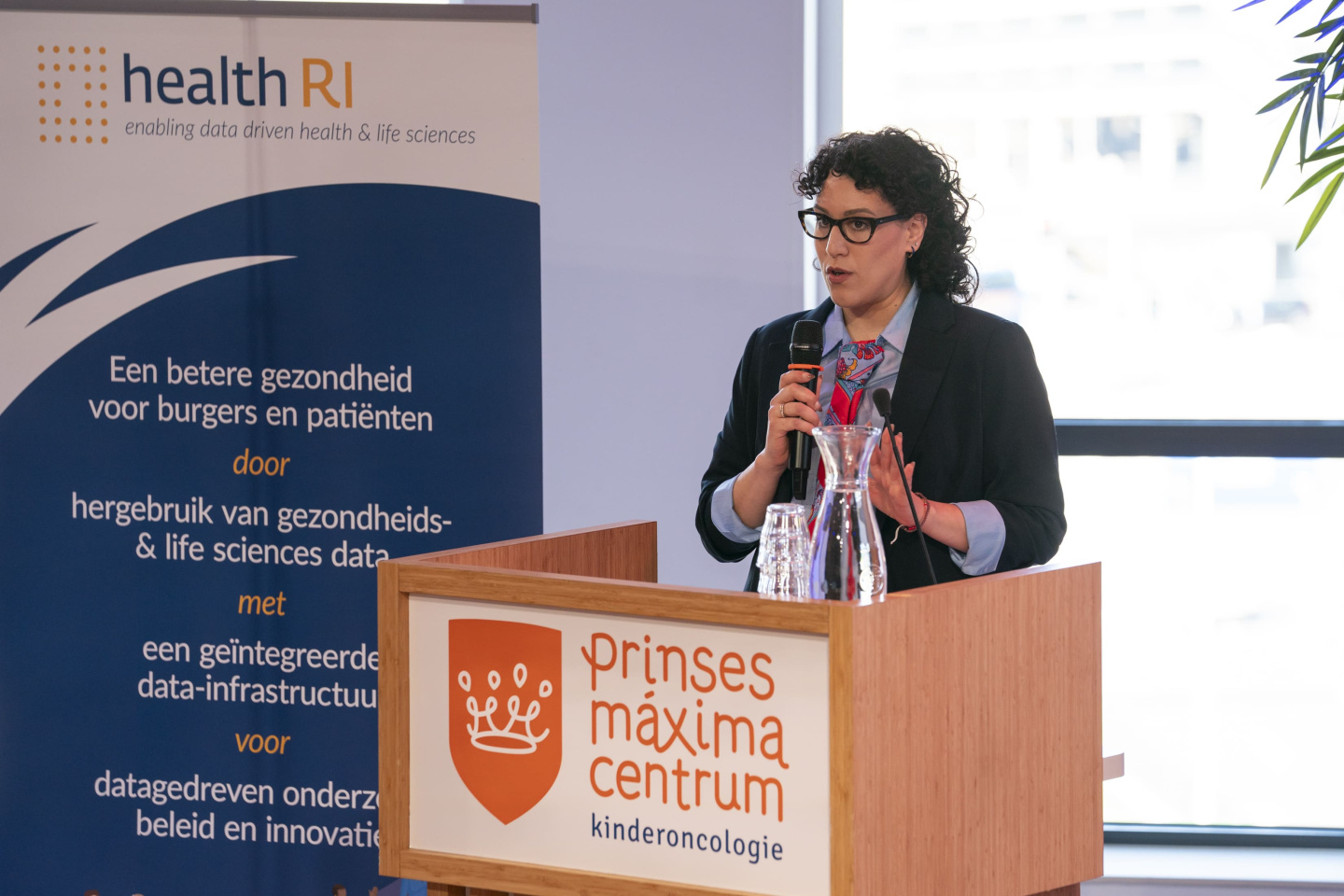
Marjoleine de Lange spoke on behalf of patient representatives. She emphasized the importance of making use of the diversity of people (patients and representatives) who wish to be involved. Patient participation at the Princess Máxima Center draws on a diverse group of patients and representatives, supported by, among others, the Dutch Childhood Cancer Organization (VKN), an informal children’s advisory council, and a formal client council.
Participation ranges from informing and consulting to advising, partnership, and shared decision-making (the participation ladder). In research, participation plays an important role in assessing impact, feasibility, priorities, and support. This takes place through, among others, Patient Advisory Groups (individual level, e.g. brain tumors, quality of life, grief and loss, late effects) and Patient Expert Groups (cross-cutting level, e.g. biobank patient information forms, ethics of organoids, privacy, patient burden, and communication to the wider community).
Key challenges include finding parents (availability), avoiding bias, involving them in time (not only at the end of grant applications), ensuring representation (risk of overrepresentation of highly educated mothers), building experience and expertise (parents need training in reading and evaluating proposals), and securing funding.
In summary, good patient participation requires investment from both patients and researchers, but it contributes significantly to the quality of research.
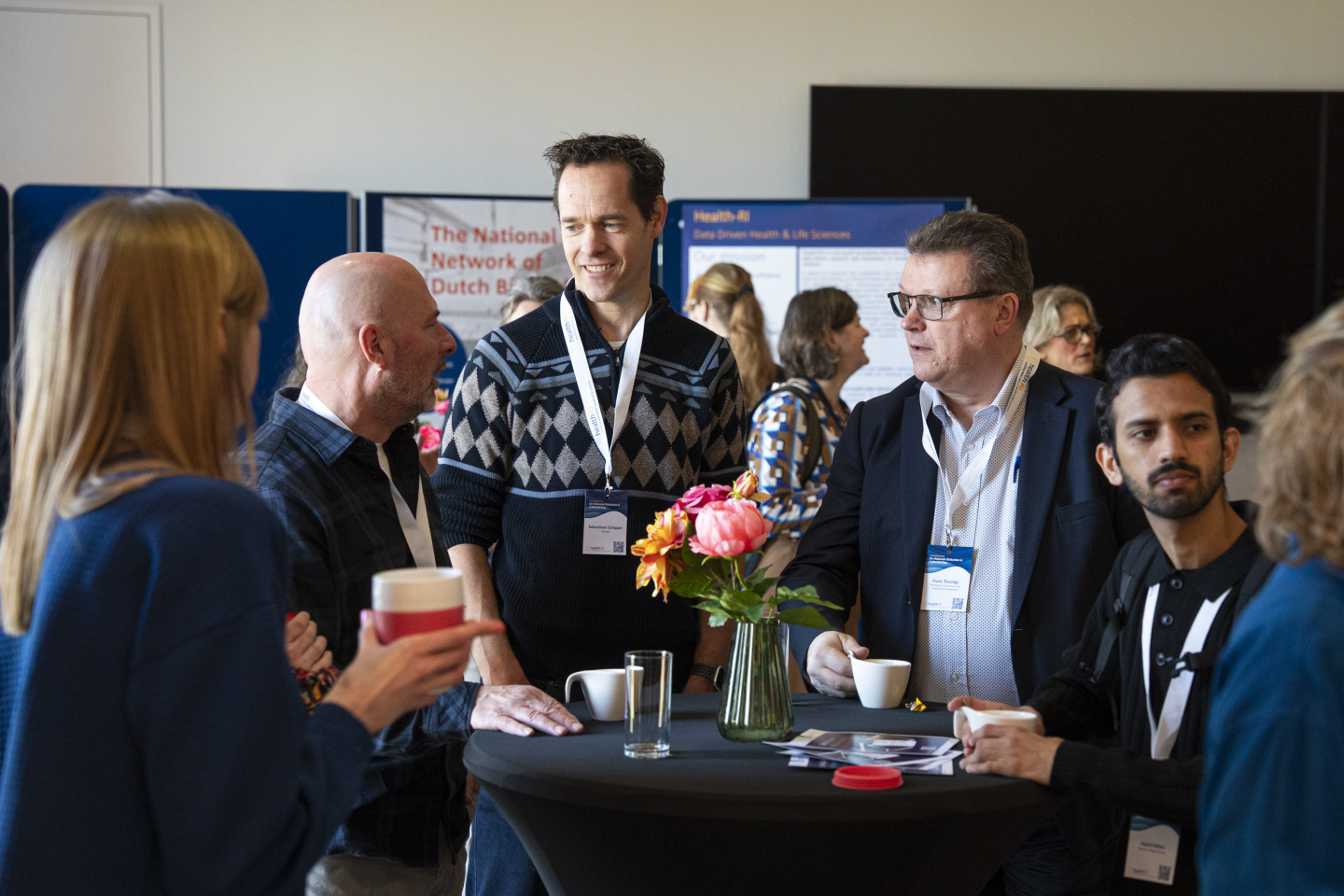
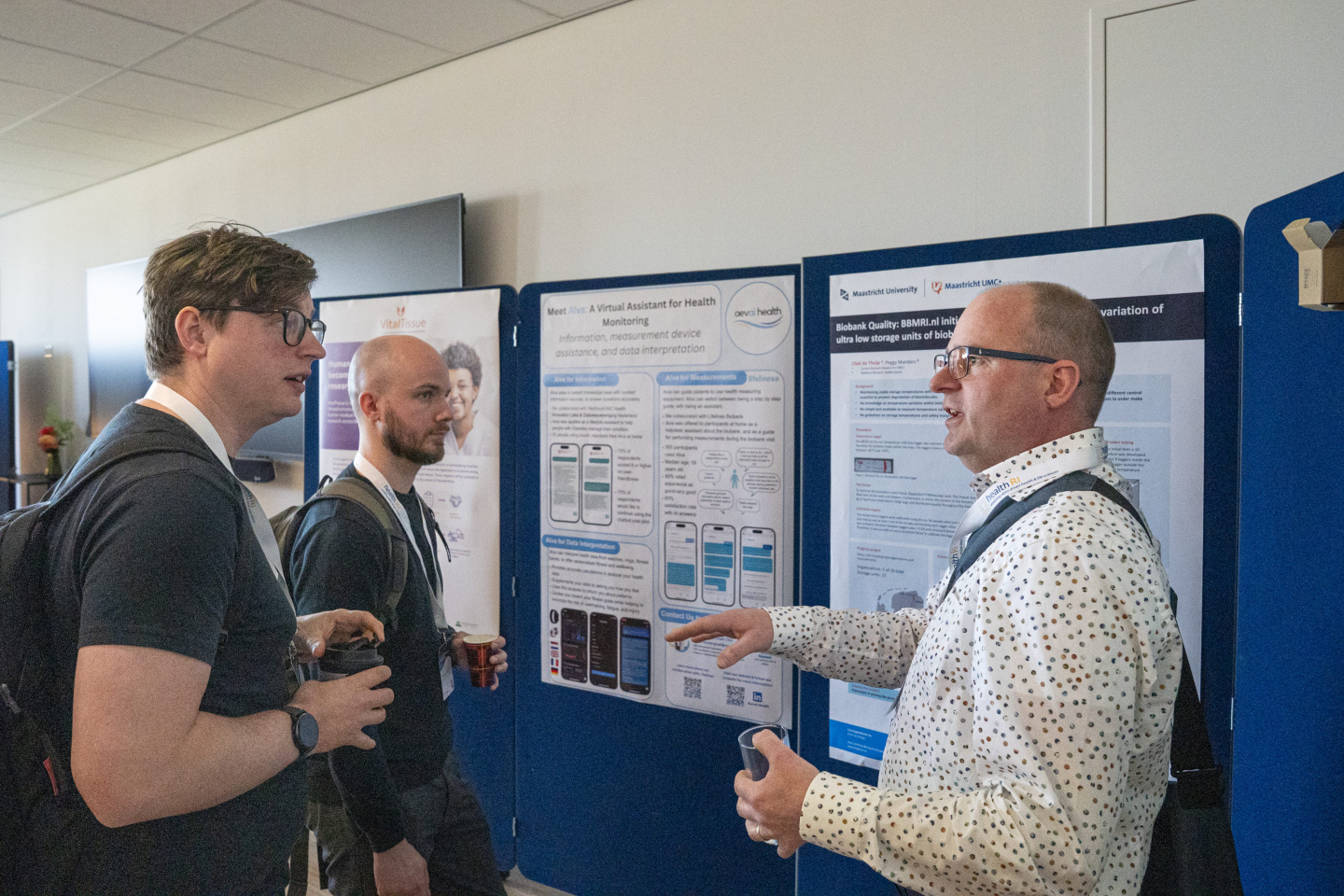
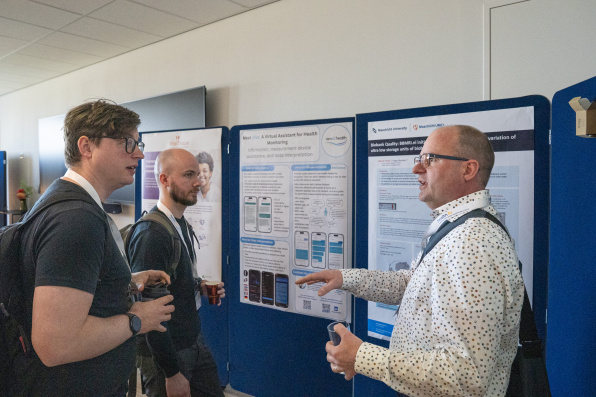 During the conference, several poster presentations were also on display.
Watch the aftermovie of the Biobank Day!
FAIR and empowered by AI
Hannah Neikes (Health-RI) and Erik van Iperen (Amsterdam UMC) provided insight into how biobank samples can be made findable within the national health data catalogue. The national health data catalogue contains information on available health data from various data holders in the Netherlands. This information consists of metadata. Metadata on datasets comes both from regional and domain hubs as well as from individual projects that connect to the catalogue.
The metadata model used to describe datasets in the catalogue is not specific to biobanks. However, agreements have been made on how biobanks are described in the catalogue and through which route the metadata enters it.
At Amsterdam UMC, metadata is currently spread across different sources, such as OpenSpecimen and ResearchManager, and is still manually entered into the FDP (FAIR Data Point), from where it reaches the national health data catalogue. The goal within the RDP (Research Data Platform) is to bring together metadata from different sources and then automatically upload it from the RDP to the FDP, thereby enriching the national catalogue with metadata from Amsterdam UMC.
In the future, the catalogue will be further populated with (biobank) metadata, and the metadata model may be expanded with relevant health-related elements. In addition, continuous efforts are being made to improve the usability of the catalogue.
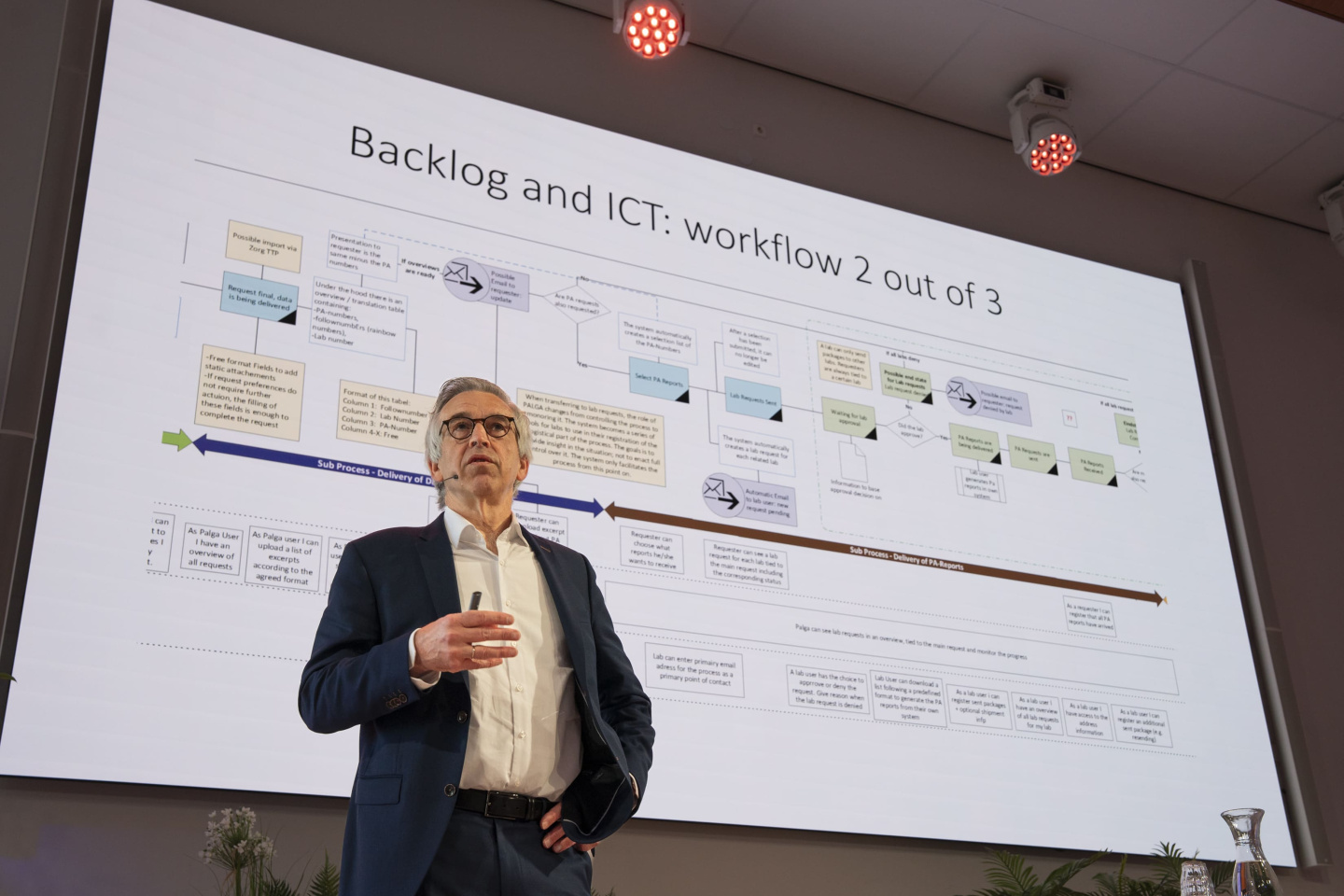
Saskia Haitjema (University Medical Center Utrecht) provided an explanation of data-driven innovation in diagnostics. The UPOD Database (Utrecht Patient Oriented Database) is a relational database that collects and combines clinical characteristics, medication data, and laboratory measurements. As people move through healthcare, they leave digital traces. These data are a derivative of what has happened but not a direct representation of reality. The goal is to use AI to reconstruct this raw data into the most accurate possible picture of the care process and convert it into usable information. Generative AI alone is not sufficient for this; a multidisciplinary team is essential.
Pitches
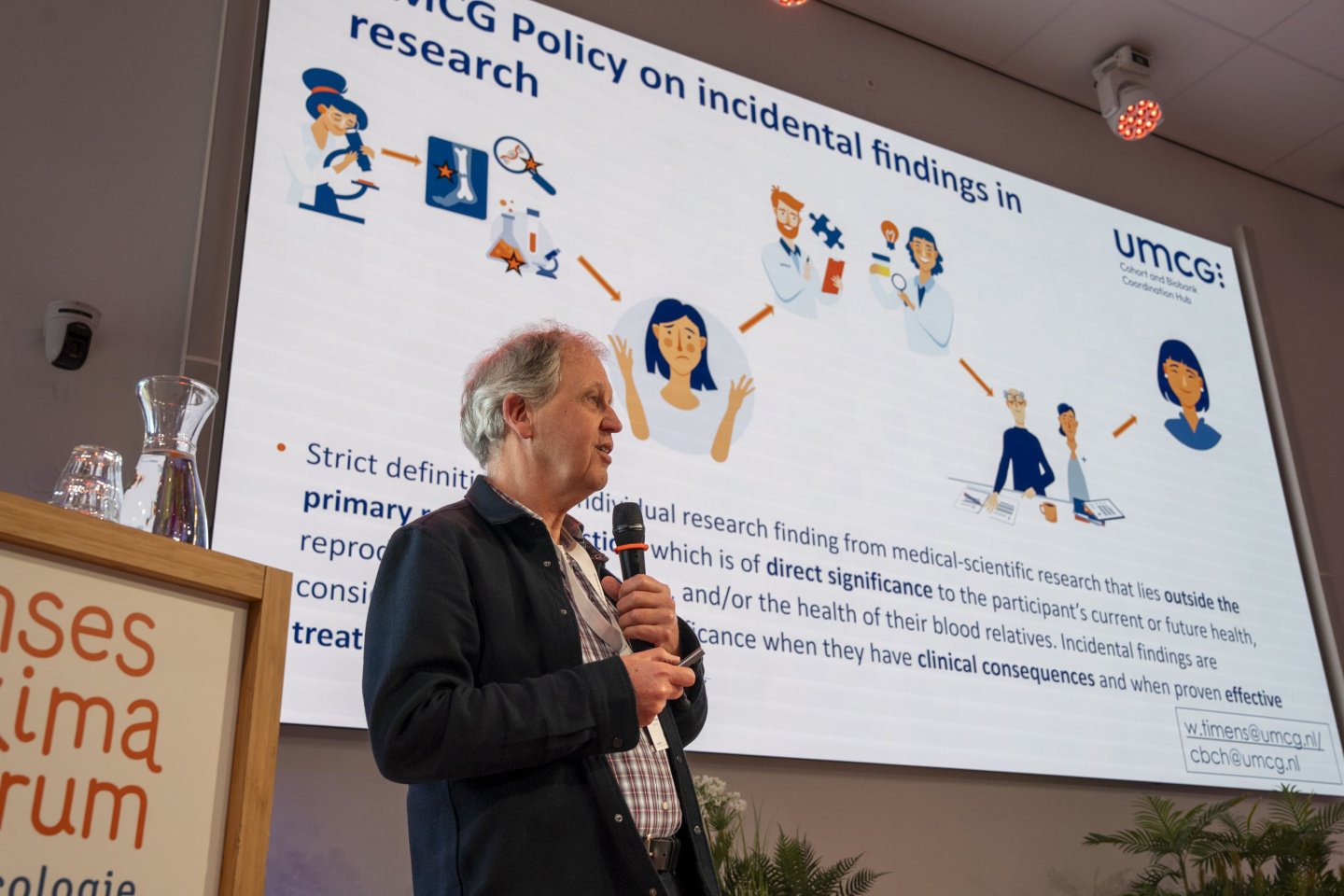
All sessions concluded with short pitches highlighting the following topics: Utrecht Platform for Organoid Technology, UMCG policy on incidental findings, Erasmus MC experience with ISO 20387 accreditation, development of a pre-analytical standard in proteomics, the BBMRI.nl guide on biobank collection evaluation, Netherlands Heart Institute Heart Tissue Bank, and the BBMRI.nl biobank training.
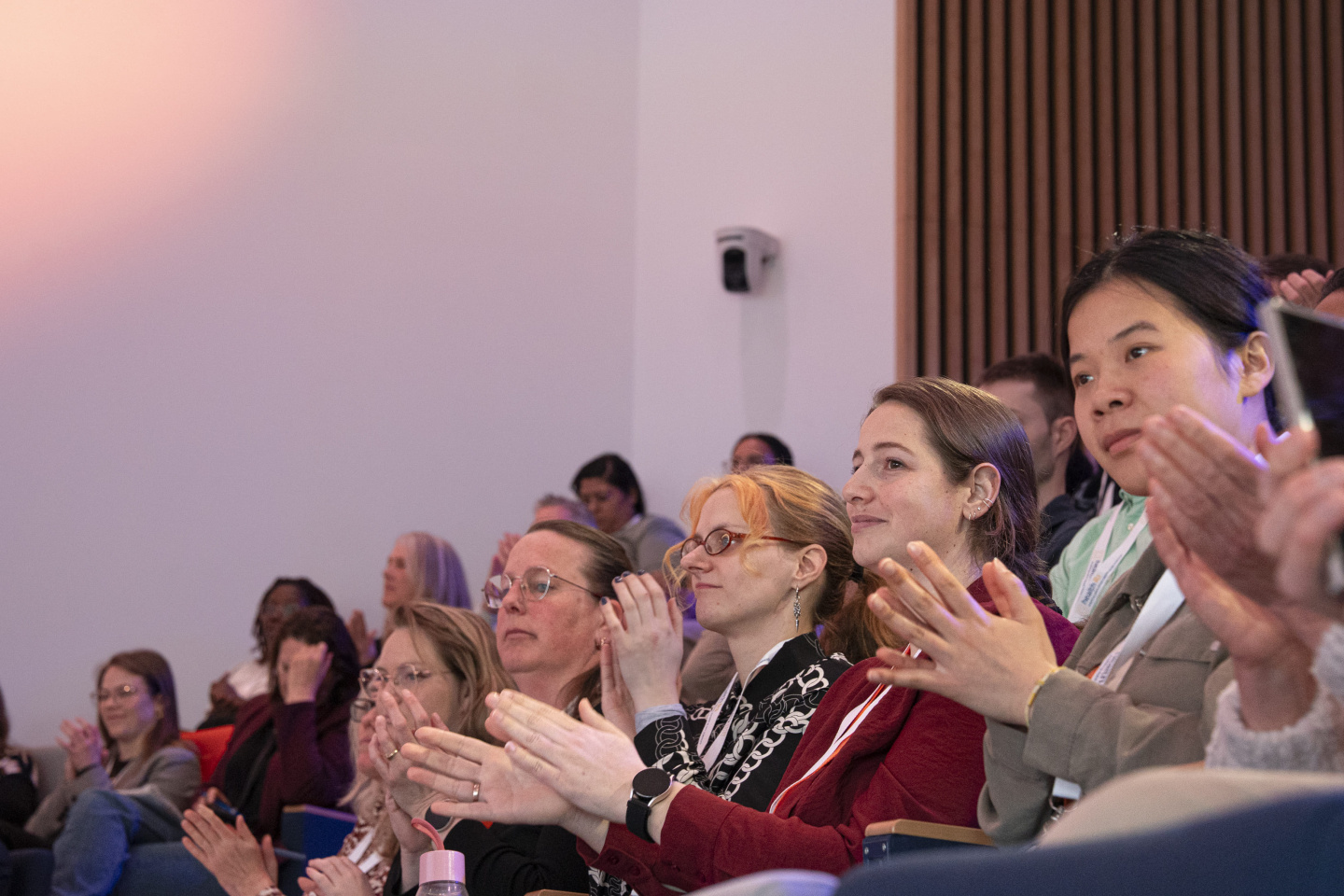
All in all, it was a very successful day in an excellently organized setting, with many thanks to the Princess Máxima Center, Health-RI, and all speakers and participants.
Photos by Thijs Rooimans