Report Health-RI Conference 2026 Turning Data into Action
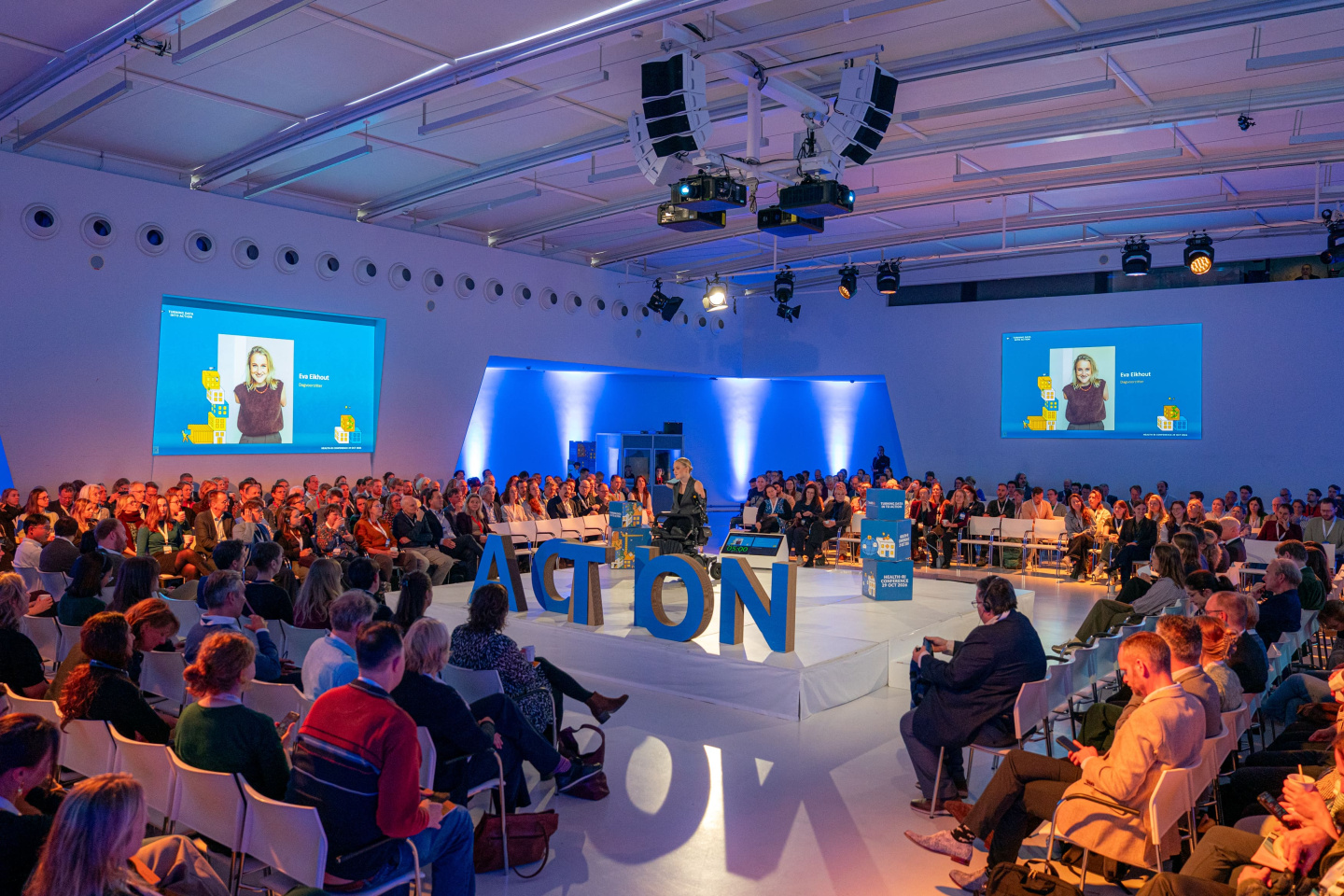
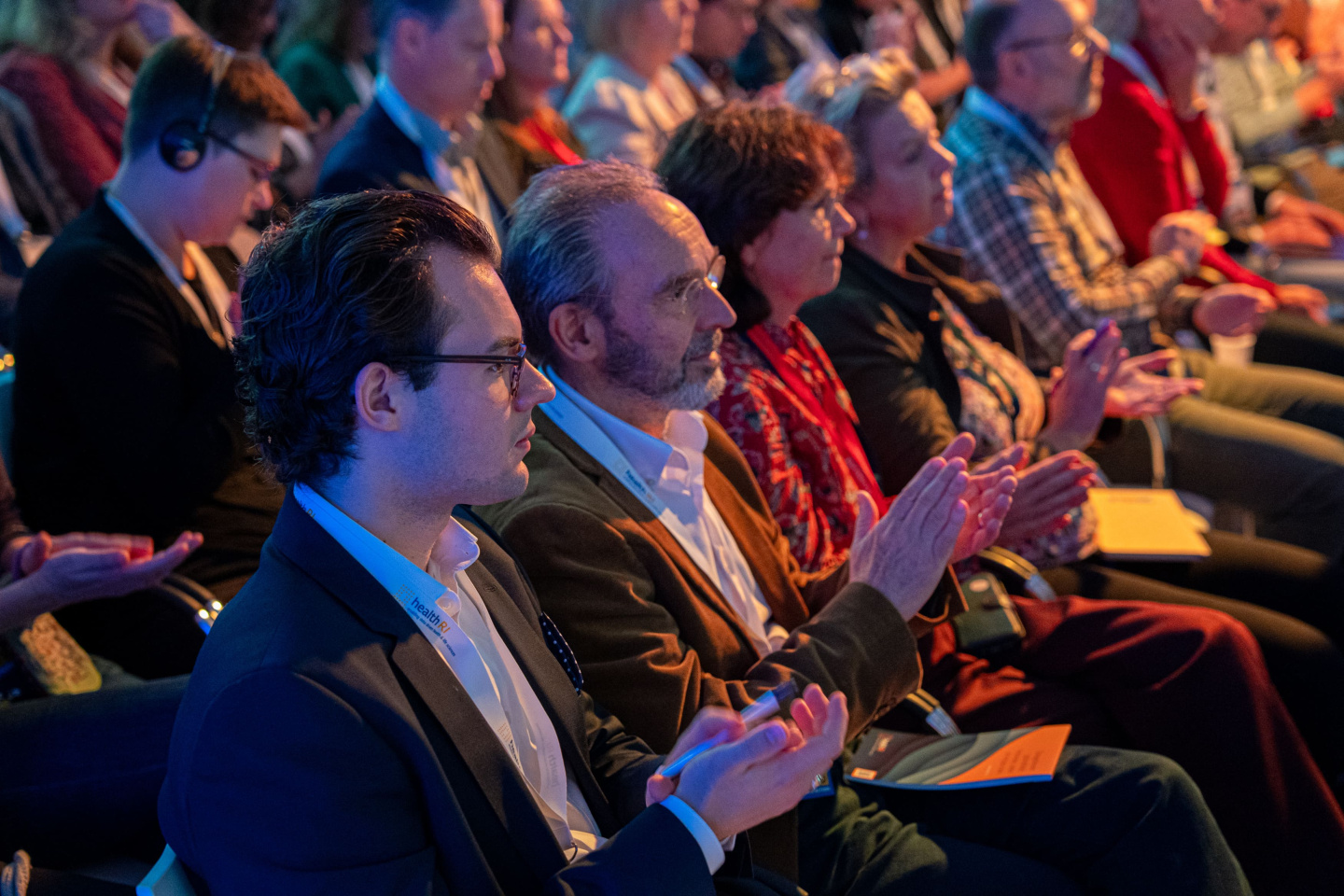
On 29 October 2026, the eleventh edition of the Health-RI Conference took place under the theme Turning Data into Action. More than 600 professionals from the health and life sciences sector gathered at Jaarbeurs Utrecht. The day focused on taking collective action to make health data more accessible and usable for research, policymaking and innovation. Because only when everyone in the field plays their part can we truly unlock the potential of health data.
Taking collective action to improve data reuse
How will you take action to advance the secondary use of health data? This question was the central theme running throughout the Health-RI Conference 2026.
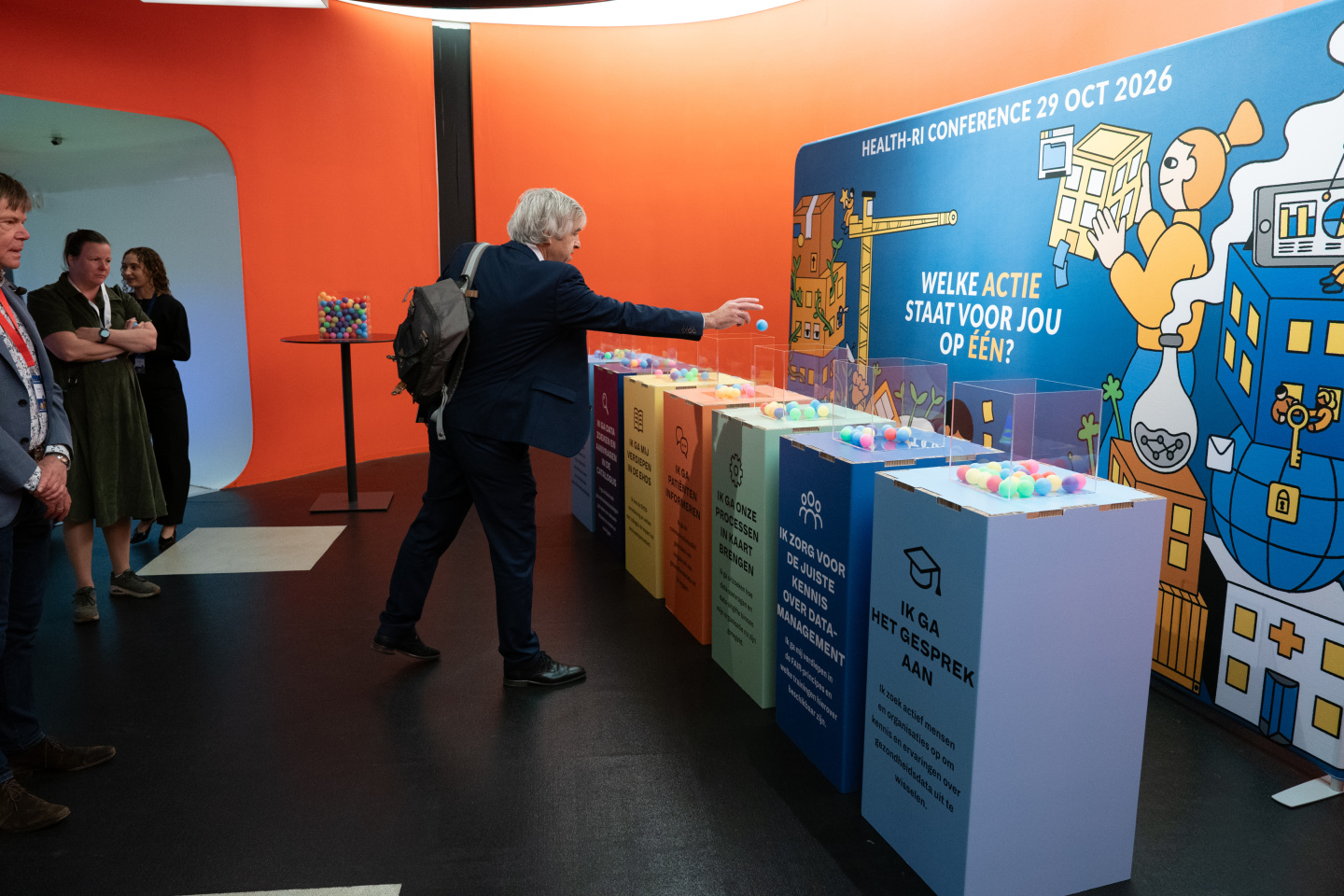
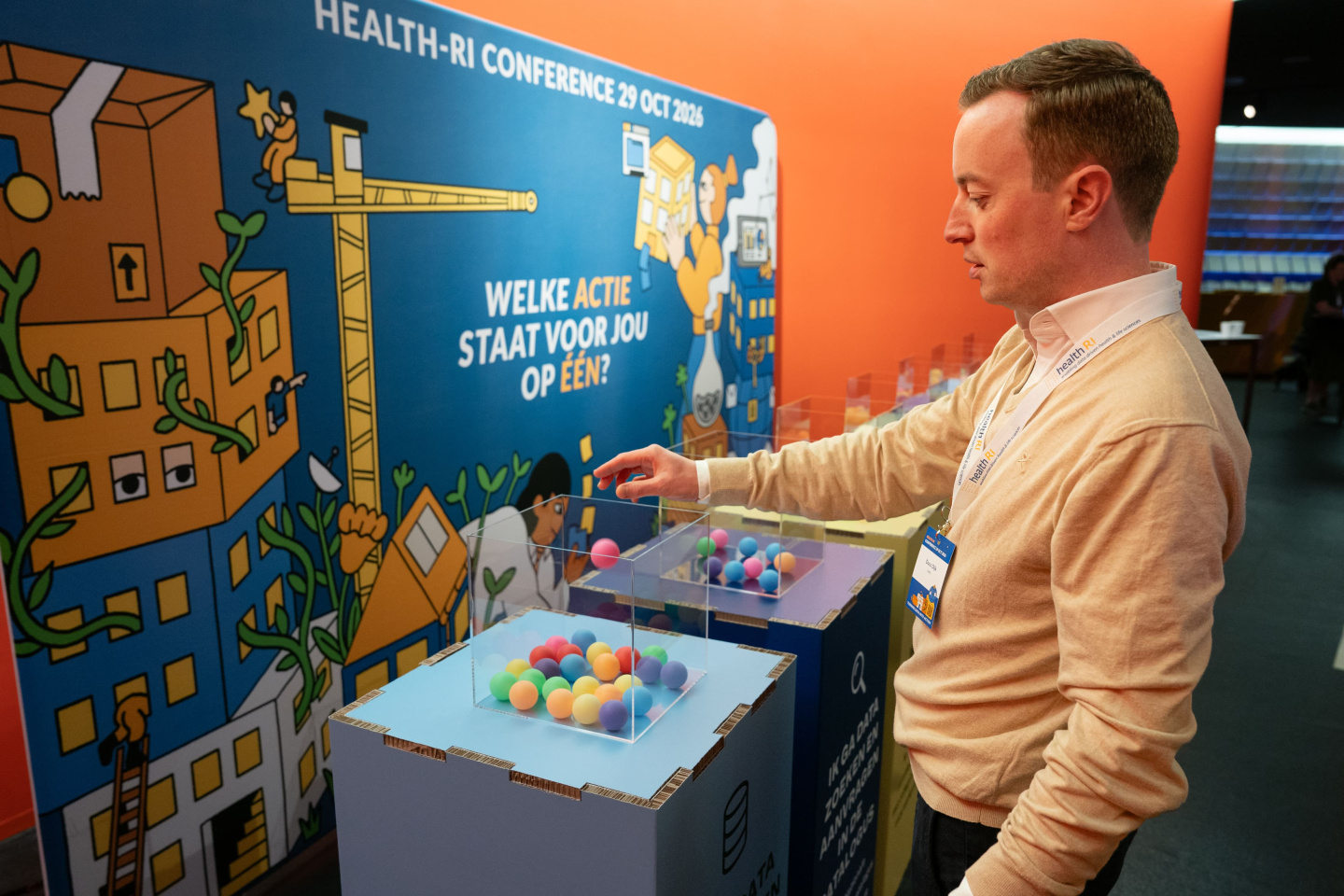
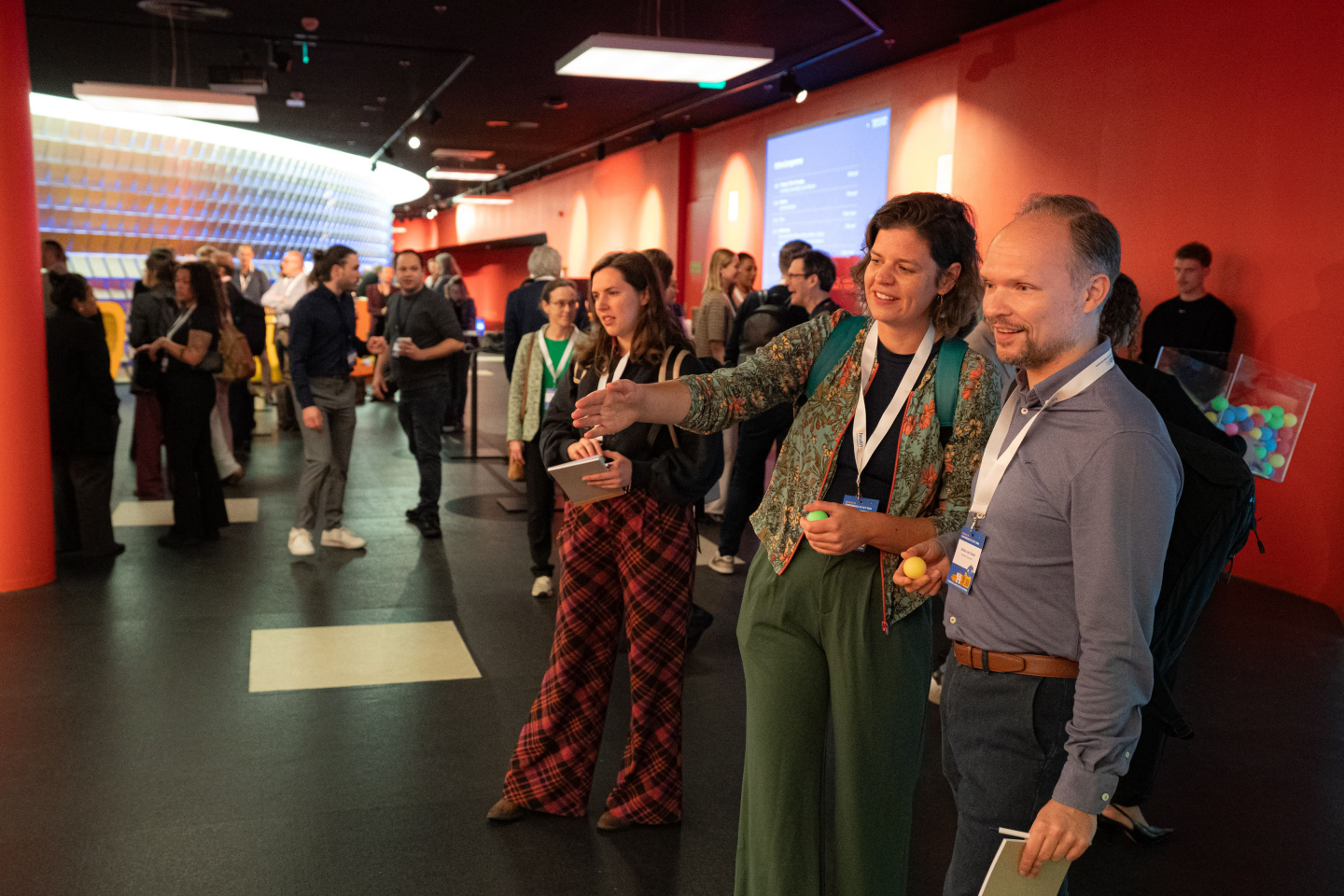
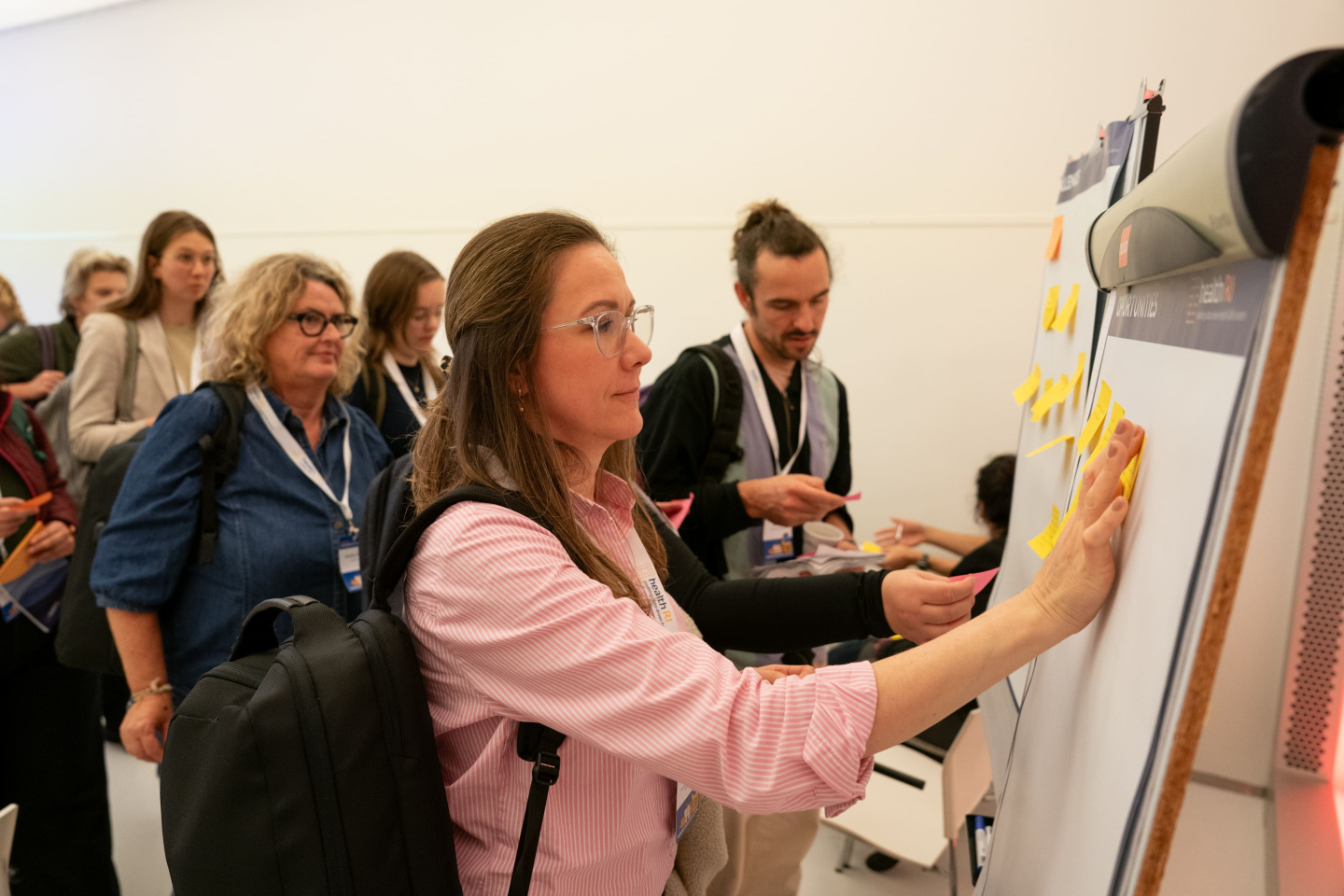
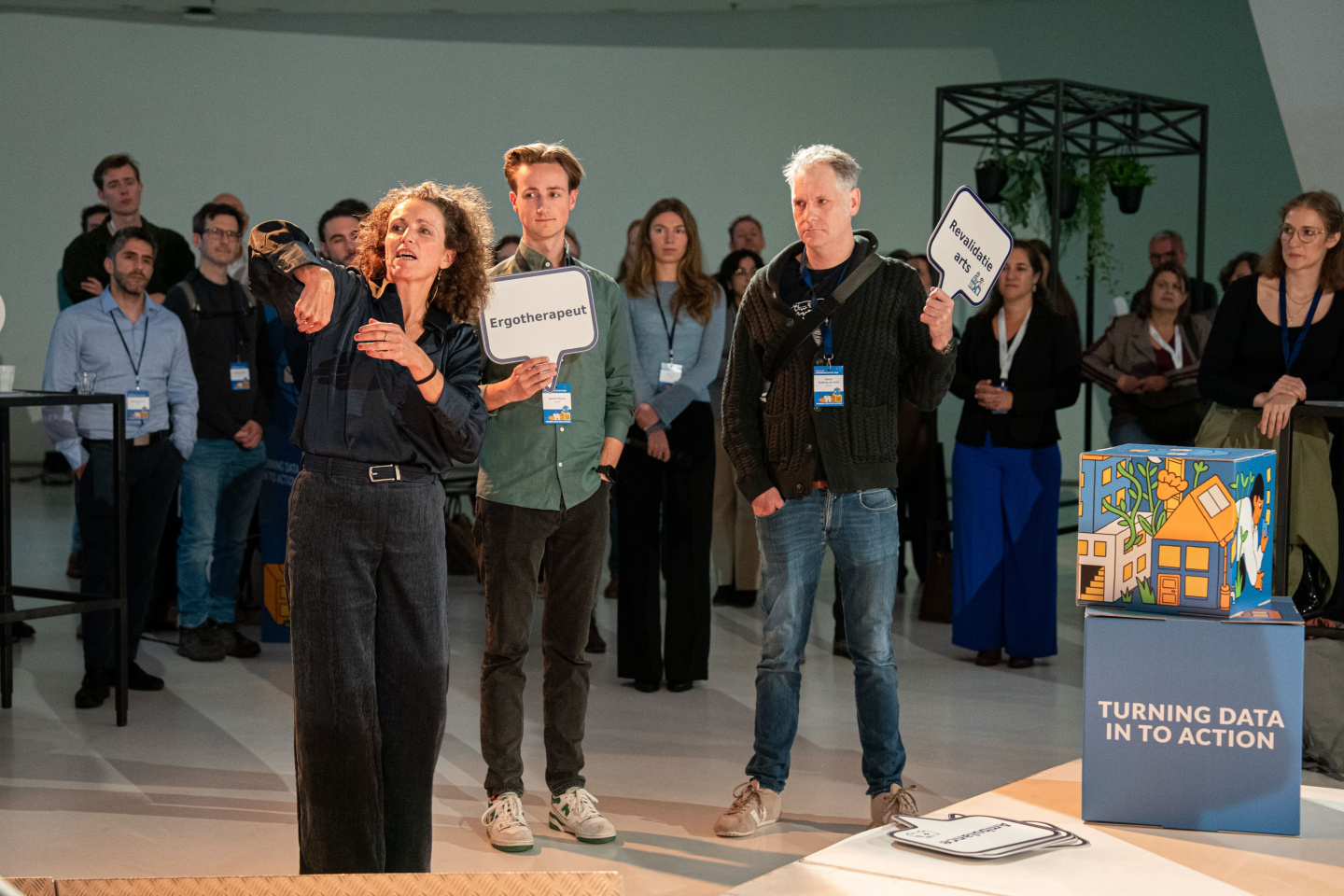
From the moment they arrived, participants were encouraged to take action. They could choose from seven concrete actions and indicate which one they considered the highest priority. From making data available and requesting access to data to learning more about the European Health Data Space (EHDS) and mapping out processes. This immediately challenged participants to reflect on their own contribution to improving data reuse.
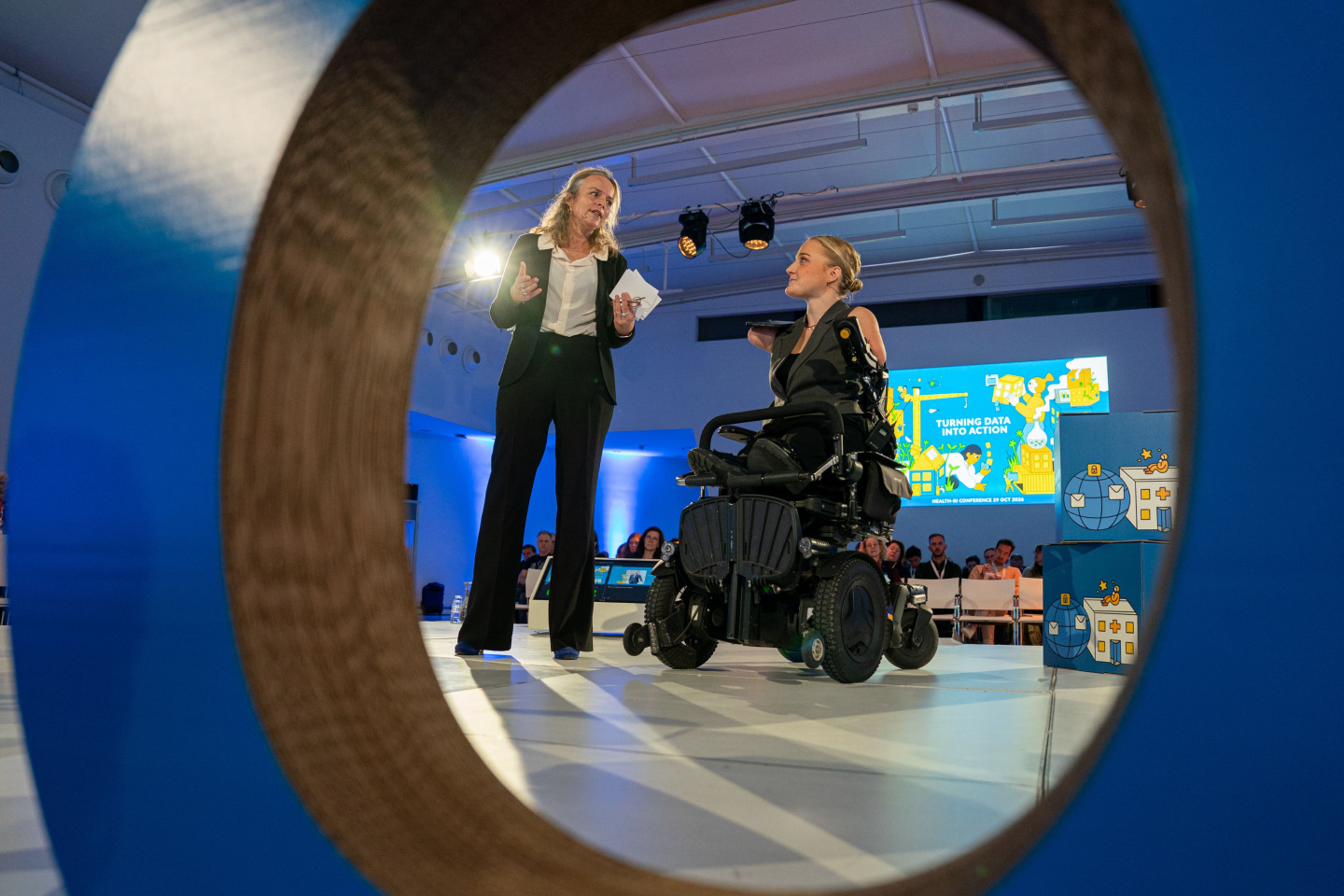
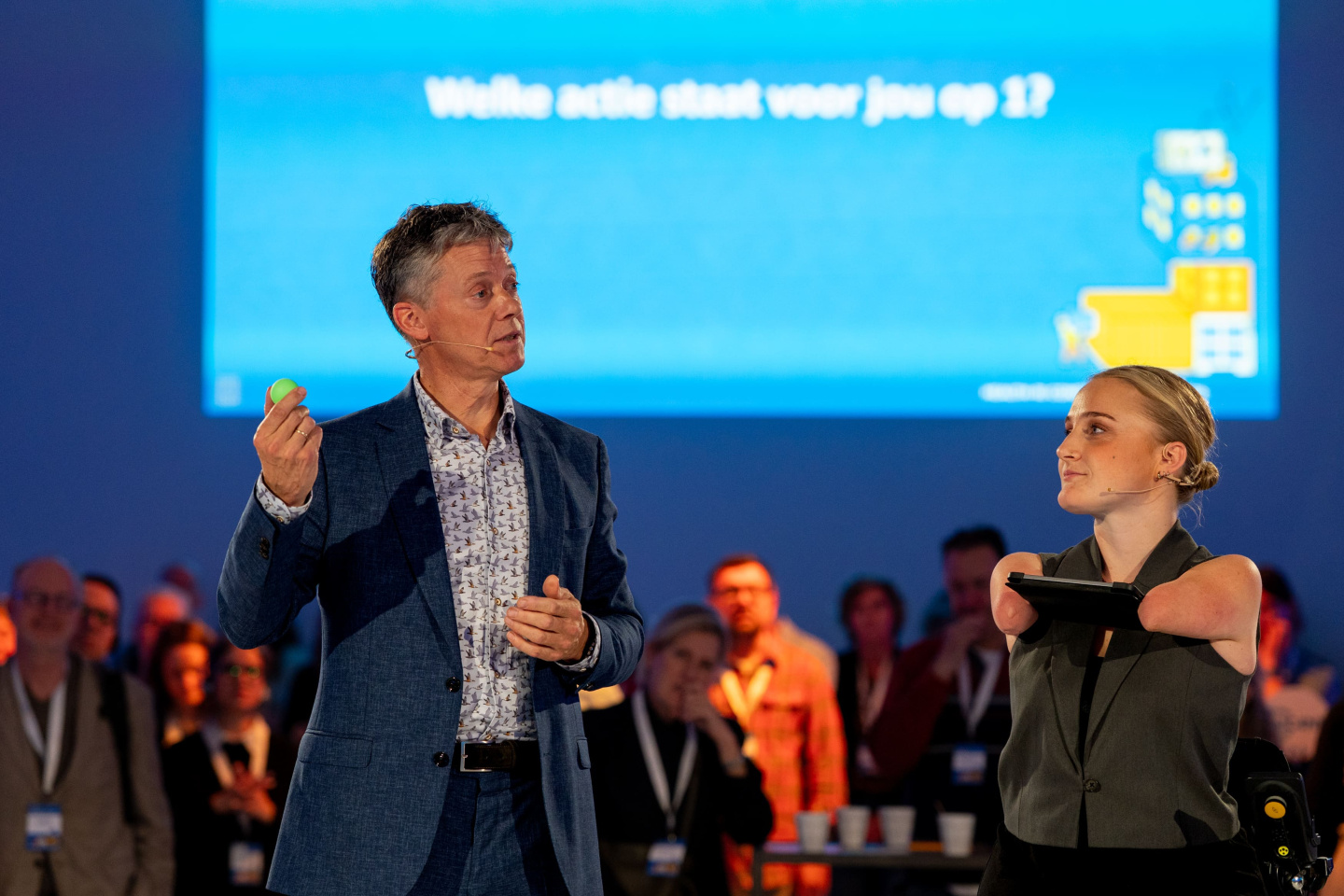
Guided by conference moderator Eva Eikhout, this call to action remained central throughout the conference. Through inspiring keynotes, insightful discussions and interactive sessions, participants were encouraged not only to exchange knowledge and experiences, but above all to take concrete steps forward together.
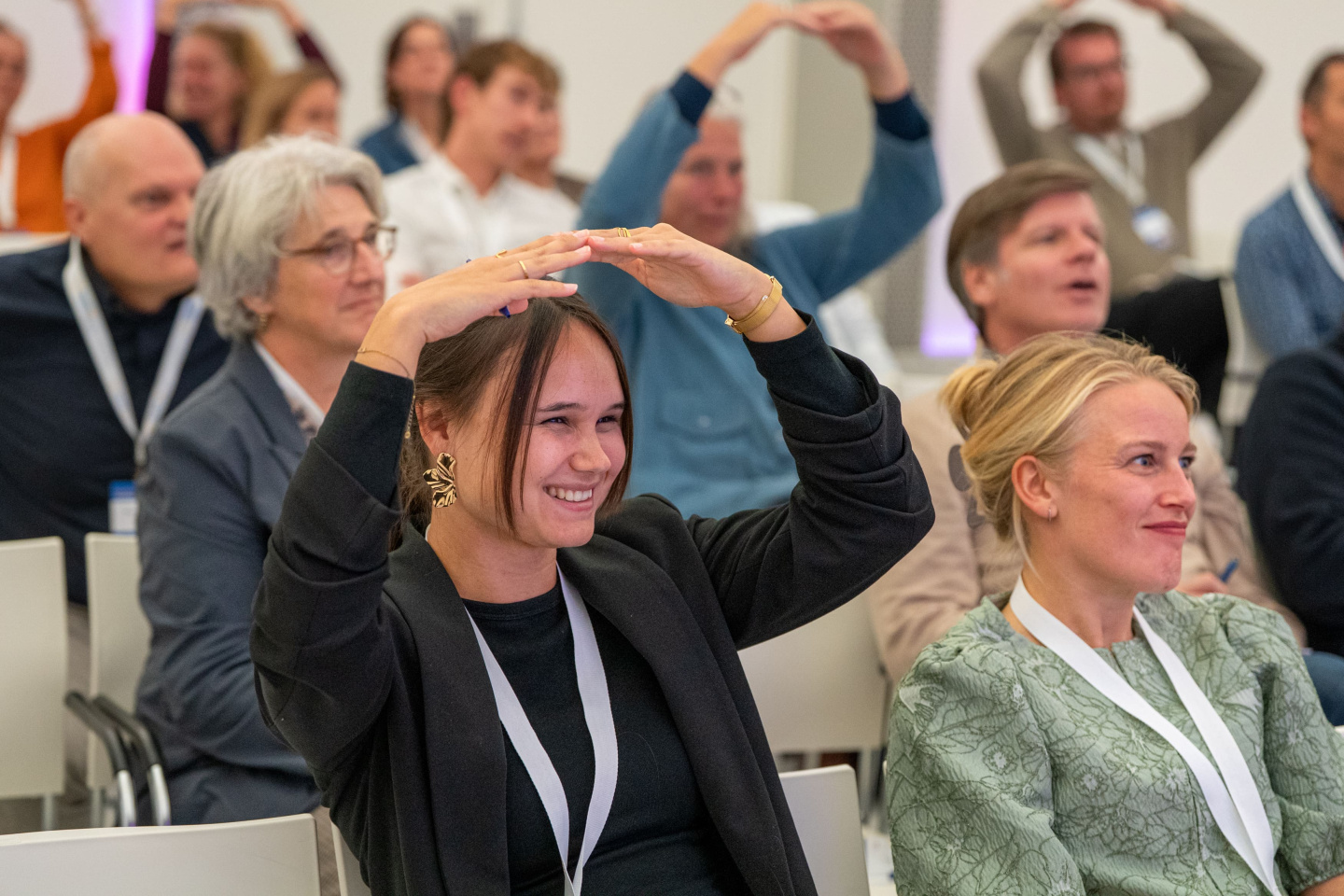
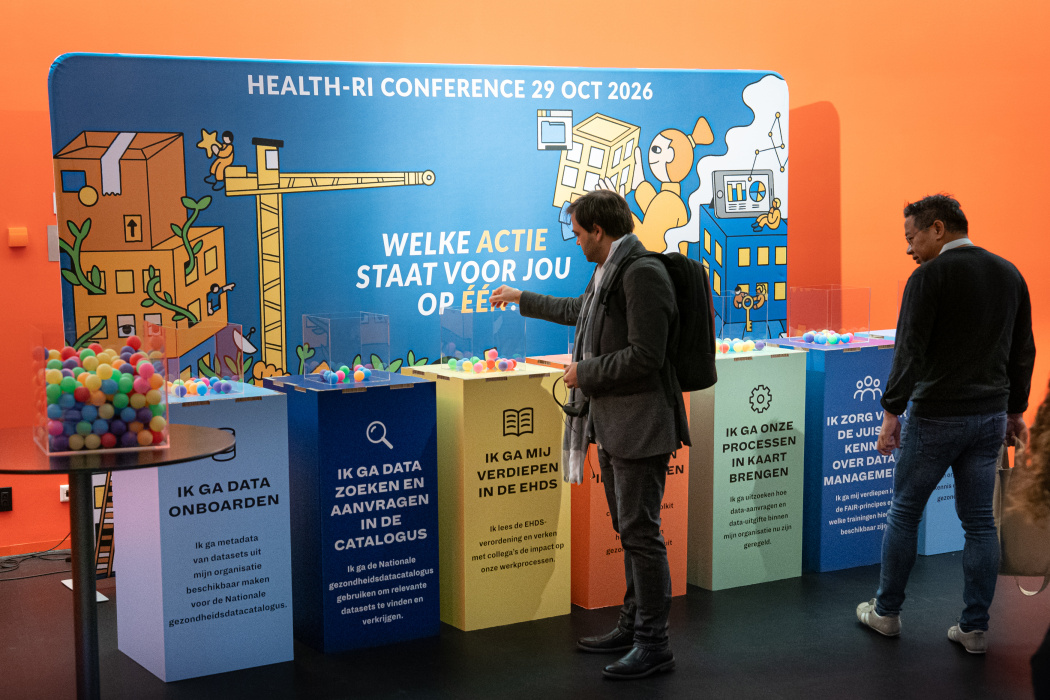 At the start of the conference, participants selected the action they considered their top priority.
From plans to action: the clock is ticking
The opening made it immediately clear that the time to take action is now. In approximately two and a half years, the key obligations for secondary use of health data under the European Health Data Space (EHDS) will come into effect. There is still a great deal of work to be done.
European Health Data SpaceArnout Mijs, member of the management team of the Innovation & Industry Directorate at the Ministry of Economic Affairs and Climate Policy, emphasised the urgency in his opening speech: "Speed is key."
According to Arnout, the responsible reuse of health data offers significant opportunities for research, innovation and the Netherlands' long-term economic competitiveness. A well-functioning health data infrastructure enables companies to develop new applications more quickly, while allowing researchers and healthcare organisations to make better use of available data. This not only brings economic benefits but ultimately also contributes to better and more efficient healthcare.
To seize these opportunities, collaboration between government, healthcare organisations, researchers and industry is essential. He emphasised that companies are not only users of health data but also play an important role in translating new insights into healthcare innovations. At the same time, many questions remain about the possibilities and conditions for data use under the EHDS. That is precisely why he called on companies to actively contribute to the discussion and make their voices heard.
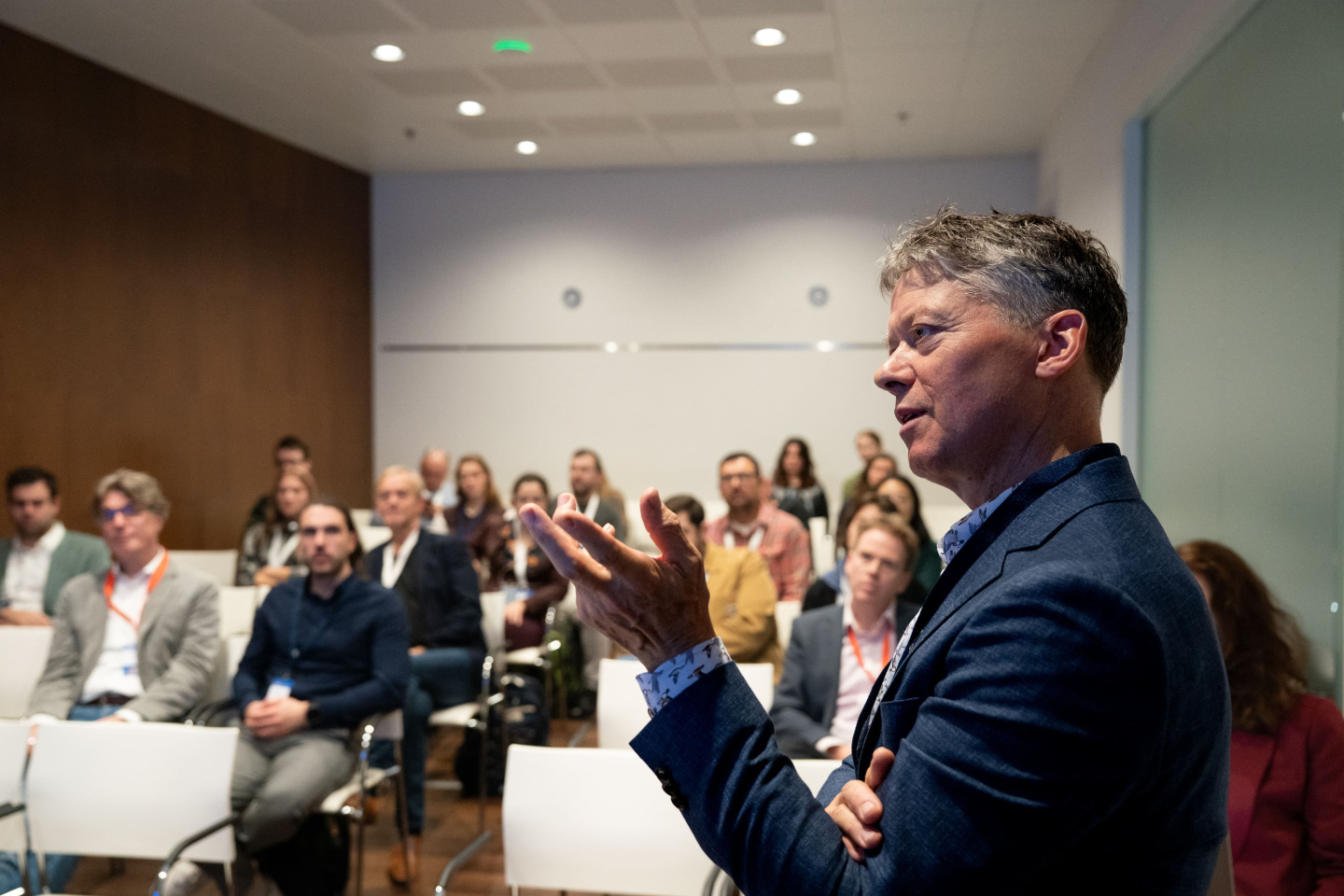
 Arnout Mijs from the Ministry of Economic Affairs and Climate Policy opened the conference with a call to accelerate the further development of the health data infrastructure.

Arnout Mijs, Ministry of Economic Affairs and Climate PolicySharing brings benefits. For countries, for companies, but above all, for patients.
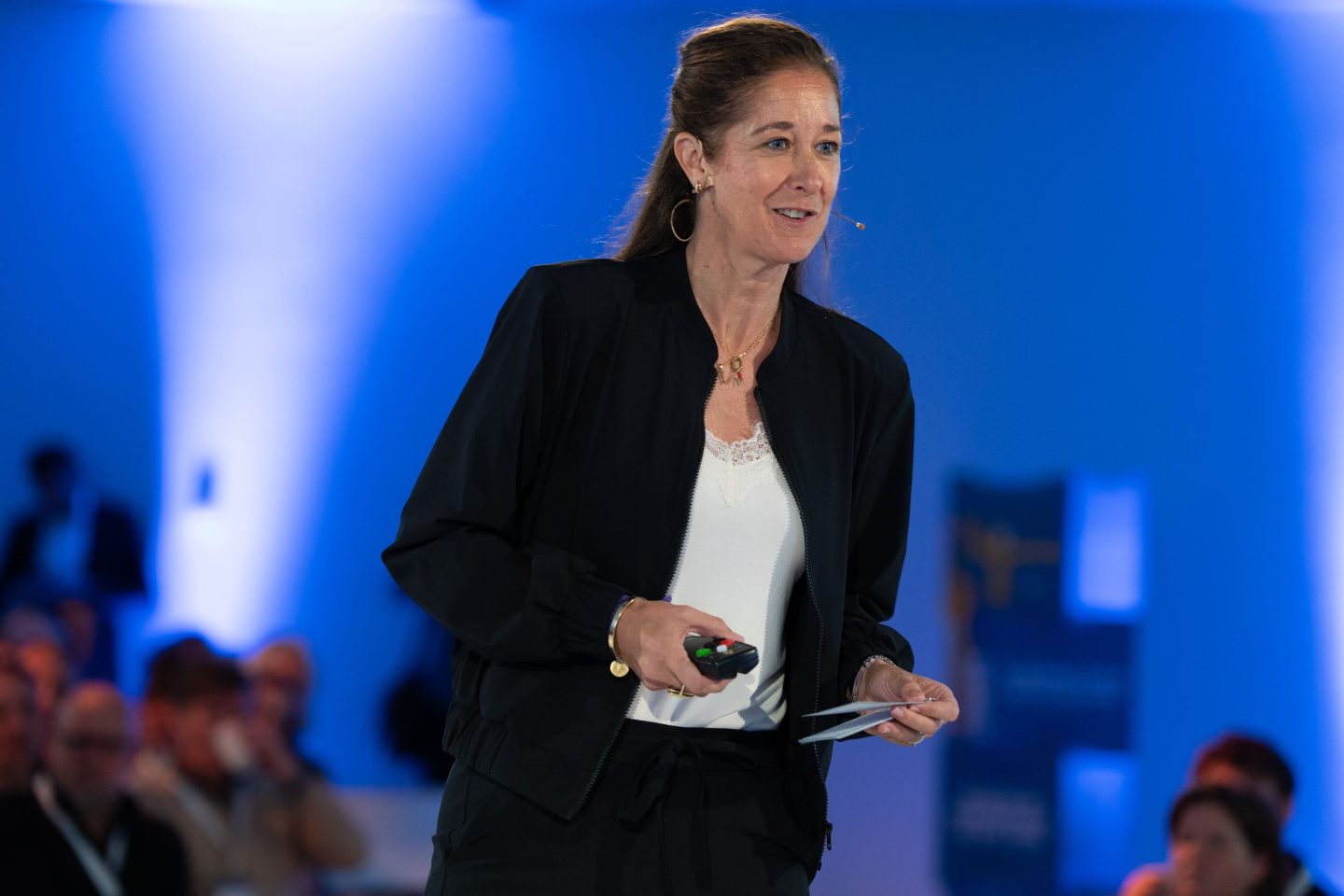
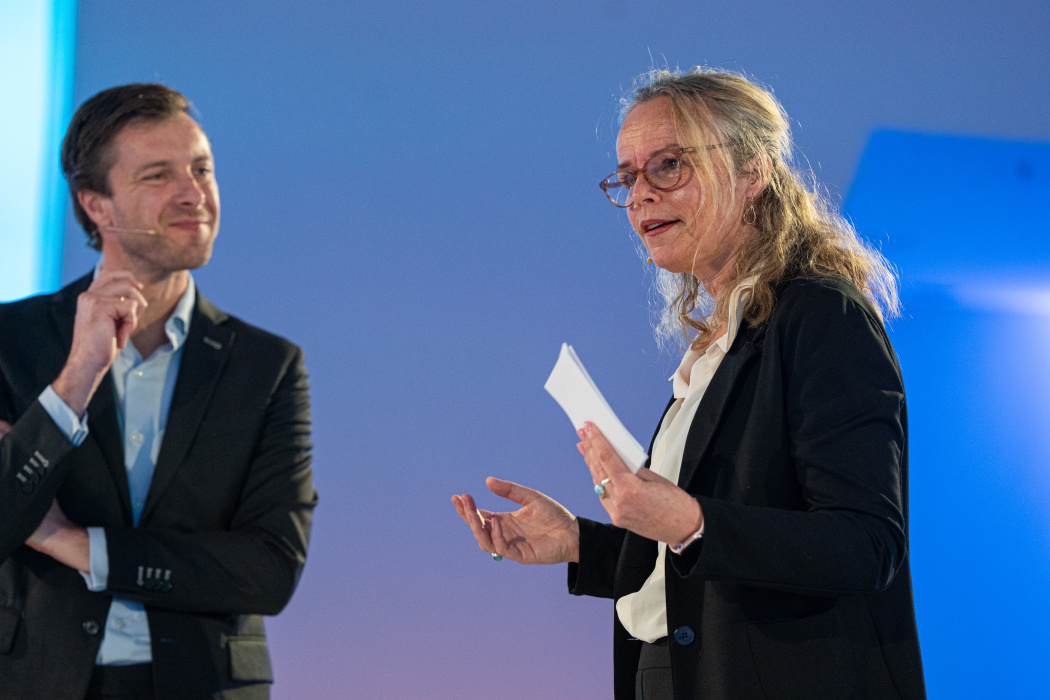 Leone Flikweert, CEO of Health-RI, reflected on the progress made in recent years in developing the national health data infrastructure.
The infrastructure is in place, now it's time to put it to use
While Arnout Mijs emphasised the urgency, Leone Flikweert, CEO of Health-RI, highlighted the progress made in recent years. During this eleventh edition of the conference, she reflected on the development of the national health data infrastructure. What was still an ambition just a few years ago is now fully operational.
The National Health Data Catalogue and the Data Request Service are now available, a network of Secure Processing Environments (SPEs) has been established, and collaboration is underway with domain nodes and regional nodes. The first data requests have also been received, allowing Health-RI and its partners to gain valuable practical experience. These important achievements have only been possible thanks to the efforts of the many organisations and partners working alongside Health-RI to develop the infrastructure.
Leone highlighted several examples, including the work being carried out within the HDAB-NL project, in which Health-RI collaborates with RIVM, CBS, ICTU and the Ministry of Health, Welfare and Sport to prepare the Netherlands for the EHDS and the establishment of the Health Data Access Body (HDAB).
Through the GDI project (Genomic Data Infrastructure), which entered a new phase earlier this year, work is underway to develop the infrastructure needed to find and request access to genomic data. Meanwhile, Health-RI's domain nodes and regional nodes are working to establish Single Points of Contact (SPOCs) within organisations to ensure the proper handling of data requests, among other processes. The Heads of Nodes of these organisations play a key role in shaping and establishing the infrastructure.
Through its collaboration with advisory bodies, Health-RI remains closely connected to developments and needs across the field. Through the Industry Advisory Committee, chaired by Joep Rijnierse, Medical Director at Amgen, Health-RI is working to connect industry to the infrastructure and address specific challenges related to data reuse by companies, such as legislation concerning intellectual property rights.
Through the Maatschappelijke adviesraad, Health-RI incorporates the perspectives of patients and works to inform citizens and patients about the secondary use of health data, for example through the Secondary Use of Health Data Toolkit and the Gegevens Verbeteren Levens initiative.
Through the International Advisory Board, Health-RI maintains strong connections with international partners and initiatives, such as CANDLE, ELIXIR and EATRIS, which have existing infrastructures that need to be connected with the national infrastructure.
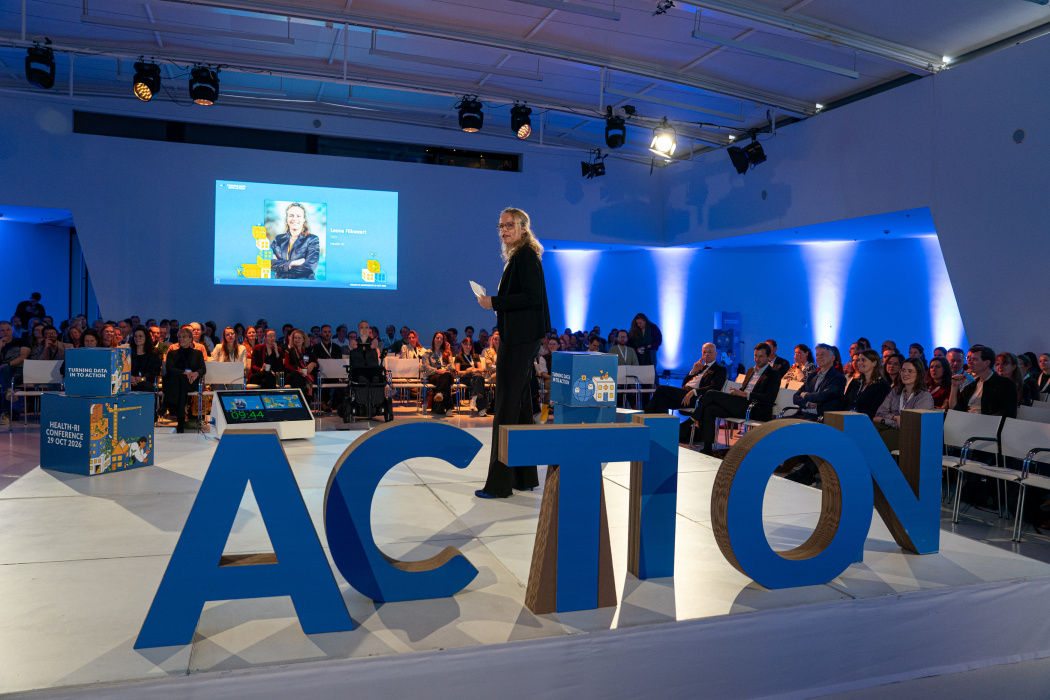 Leone Flikweert emphasised the importance of collaboration with national and international partners, advisory bodies and industry in the further development of the health data infrastructure.
The infrastructure Health-RI is developing for the secondary use of health data must also align with the infrastructure being developed for primary use. To achieve this, clear national agreements are being established, and Health-RI is working closely with CumuluZ Zorgdata to align their target architectures and infrastructures. During the breakout session on architecture, alignment and agreements, it was emphasised that this requires not only technical standardisation but also clear agreements on roles and responsibilities. Participants identified governance and metadata management as key priorities for national agreements in 2027.
 Leone Flikweert emphasised that the next step is to put the infrastructure into practice, with more discoverable datasets, well-trained data stewards and a sustainable foundation for the secondary use of health data.
Without the right data expertise, the infrastructure cannot function effectively. That is why Health-RI collaborates through RDNL to improve the training of data stewards and, through the TDCC programme, which was recently extended for another four years, to train and connect data stewards across the life sciences and health sector. The essential role of data stewards within the infrastructure was also discussed during a breakout session later in the day. The session highlighted the need for structural funding, clear responsibilities and greater recognition of the profession to ensure their expertise can be used sustainably. Participants also called for data stewardship to become more firmly embedded within organisations and for successful practical examples to be shared more widely.
But the work is far from finished. In the coming years, many more datasets need to be made discoverable through the catalogue, and data users must start making use of the available services. The EHDS provides an important boost to these developments, but the actual work must be carried out by the people and organisations across the field.
Leone emphasised that achieving this also requires a shift in mindset. Organisations are accustomed to approaching data (reuse) primarily from the perspective of their own processes and interests. However, to make health data responsibly available, they must also look beyond their organisational boundaries and work together.
In addition, it is important to ensure that the infrastructure currently being developed remains in place for the long term. This is not just about completing projects and individual components of the infrastructure, but about sustainably organising the services, agreements and collaboration needed for the secondary use of health data.
Major developments in AI applications and innovation, European data sovereignty, and the strategic position of the Netherlands and Europe are crucial to the infrastructure. High-quality, accessible health data are an essential prerequisite for the development and application of AI and medical technology. The infrastructure can help make health data responsibly available for AI applications, while AI can also make the infrastructure more efficient, for example by standardising data or processing metadata in the catalogue.
These opportunities and challenges were explored further during a breakout session on AI later in the day. The panellists emphasised that many AI applications remain stuck in the pilot phase. To successfully implement and scale up these applications in healthcare practice, high-quality, representative data, shared agreements on data exchange and better collaboration between existing initiatives are essential.
Leone concluded with a concrete call to action for the audience: start populating the National Health Data Catalogue so that more datasets can be found, requested and used.
Leone Flikweert, CEO Health-RIThe infrastructure is in place, but now it needs to be populated with data and put to use. The system was built by people, and now those people need to take action.
Leone's message therefore tied directly into the theme of the conference: the foundation has been laid, but to truly unlock the potential of health data, everyone must now take responsibility for their own role and take action. From data holders and data users to policymakers, companies and citizens, everyone has their own data journey and must take steps forward.
However, having an operational infrastructure does not automatically mean that health data are actually accessible and usable. This requires collaboration between organisations, sectors and systems, with technical capabilities supported by clear agreements, broad support and trust. Jan Anthonie Bruijn illustrated what is needed to achieve this, drawing on his experiences in medical practice, politics and public administration.
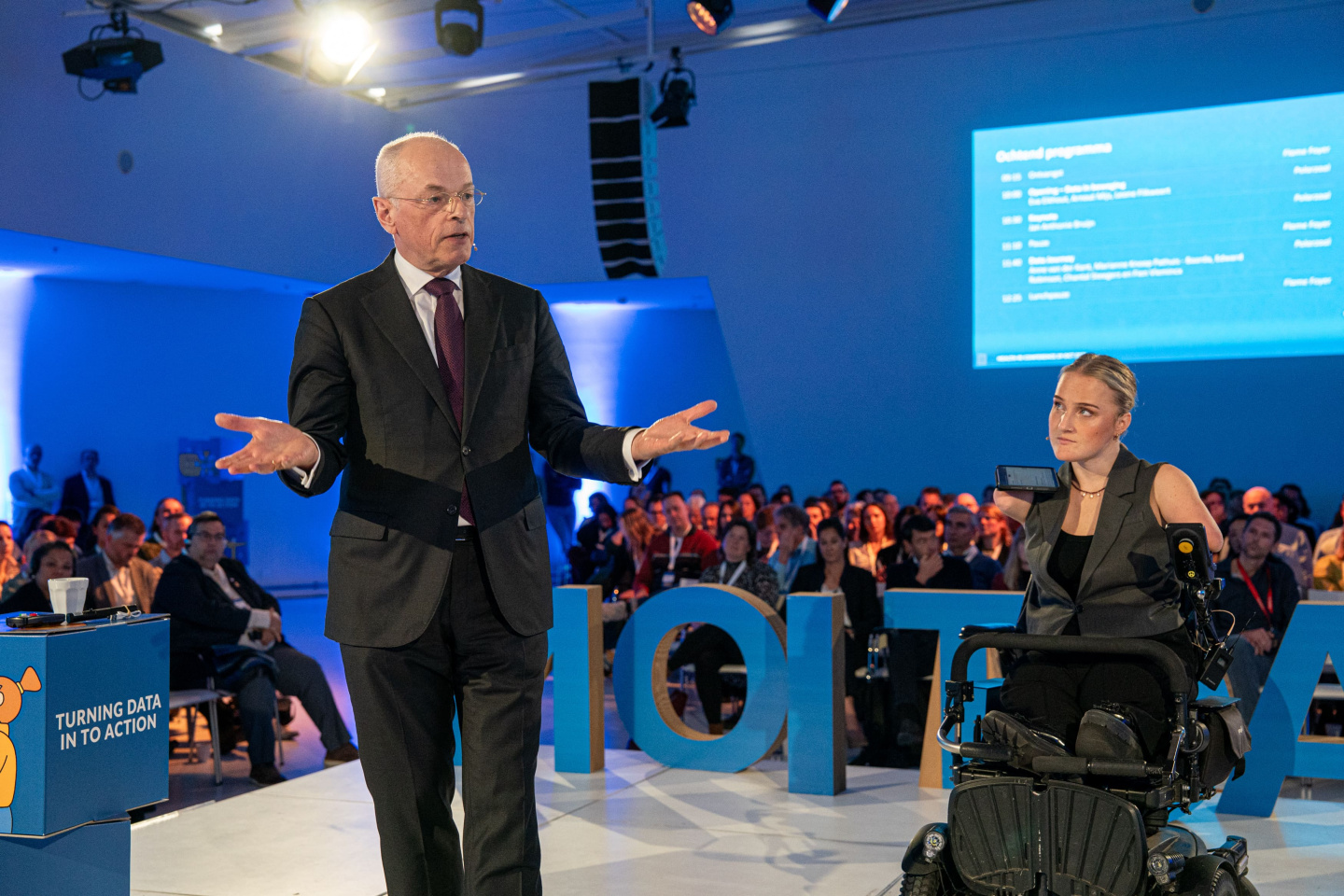
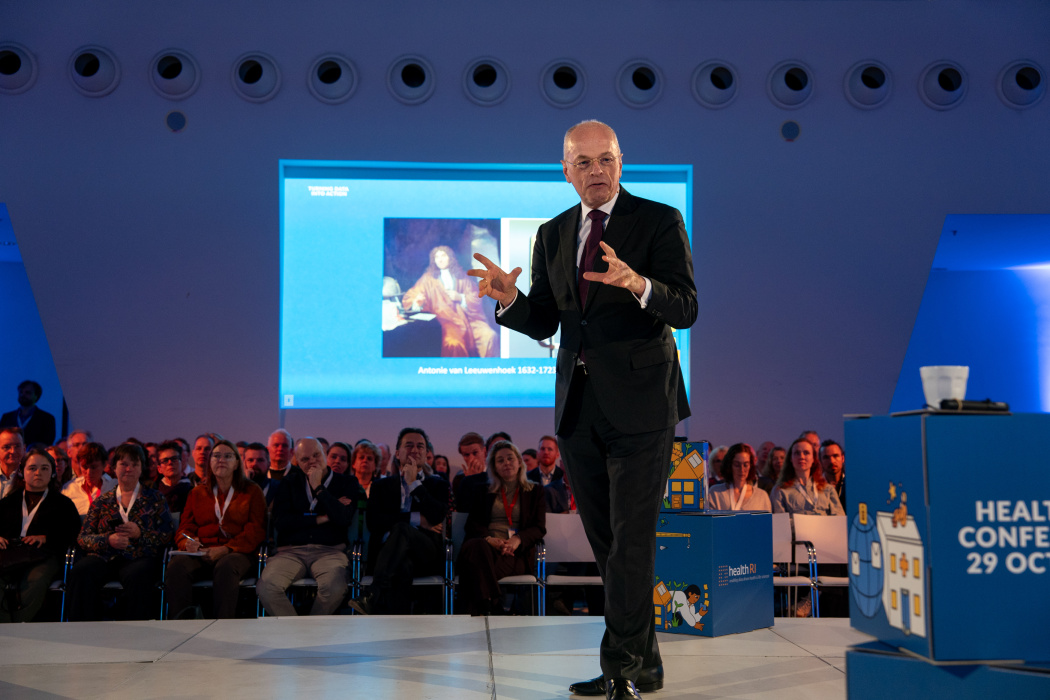 Jan Anthonie Bruijn took participants through his personal Data Journey, drawing on his experience as a researcher, politician and minister to illustrate what is needed to responsibly share and use health data.
Jan Anthonie Bruijn's Data Journey: From Research to Politics
How can health data not only be made technically available, but also be effectively used to improve healthcare? Jan Anthonie Bruijn took participants through his personal Data Journey. As a pathologist and researcher, former President of the Dutch Senate and former Minister of Health, Welfare and Sport, he has experienced this challenge from three different perspectives. His key message: to enable the responsible sharing of health data, healthcare practice, politics and policymaking must become more closely aligned.
Drawing on his experience as a pathologist, Jan Anthonie demonstrated the benefits of data exchange in practice. He highlighted PALGA, the national network in which pathology data are collected and shared. This system originated in the 1970s as an initiative by a group of pathologists who recognised the benefits of sharing data. Today, healthcare professionals can access previous test results, use data for scientific research and, thanks to digitalisation, share images with colleagues both in the Netherlands and abroad.
Above all, PALGA demonstrates the importance of initiatives emerging from healthcare practice, with improving patient care as a shared goal. But what has been achieved within a single medical specialty must now be accomplished on a much larger scale. Responsible reuse of health data requires not only technical solutions, but also collaboration and shared agreements.
This also became clear from his experiences in politics. Jan Anthonie reflected on one of his first debates in the Dutch Senate, in which a proposal for a national electronic patient record (EPR) system was rejected in 2011. This experience showed him how important it is to involve elected representatives in developments surrounding health data from the very beginning. Technical capabilities and good intentions are not enough without sufficient public support and trust. Questions concerning privacy, control over personal data and citizens' rights must therefore be addressed as an integral part of the development process, rather than being discussed only afterwards.
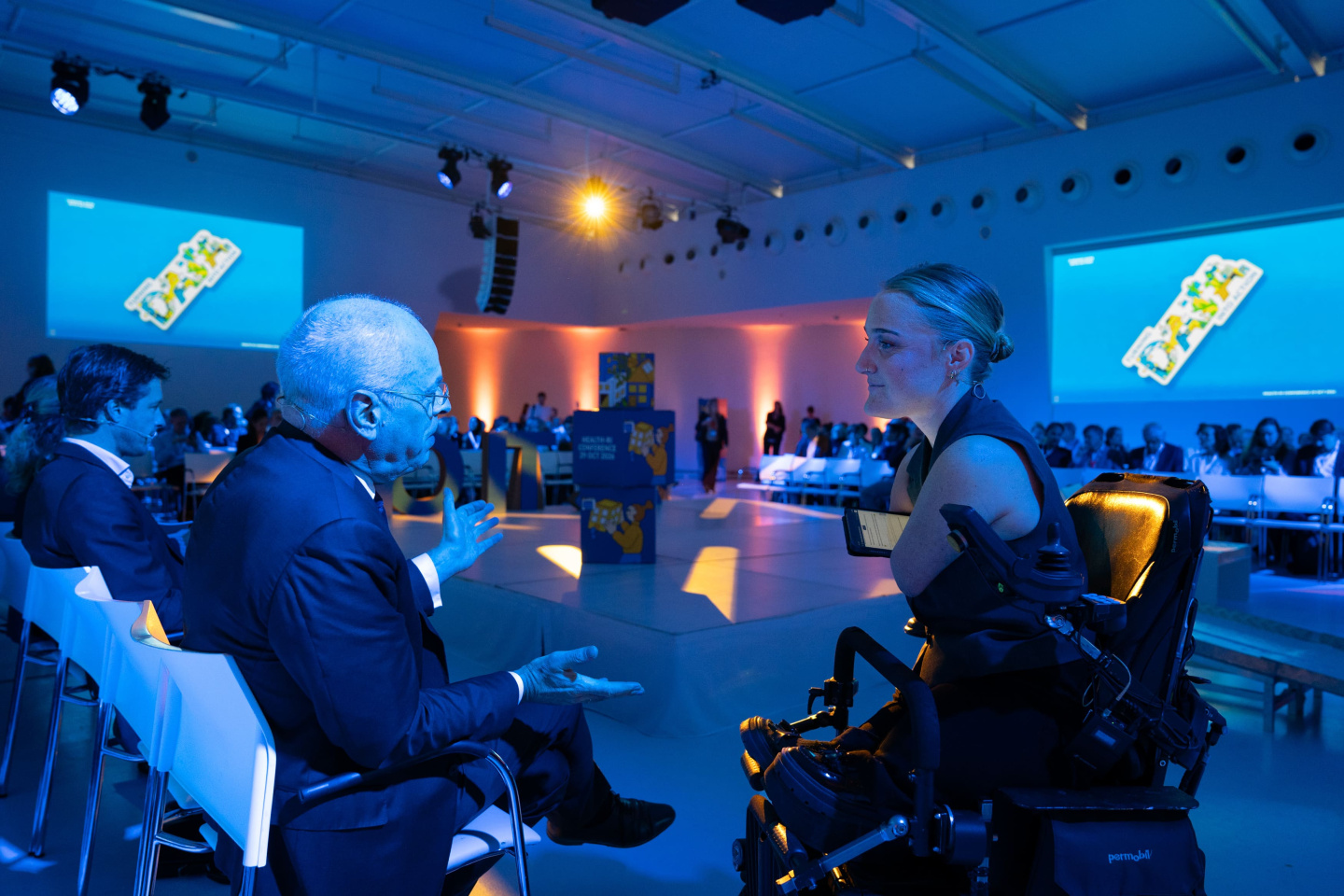
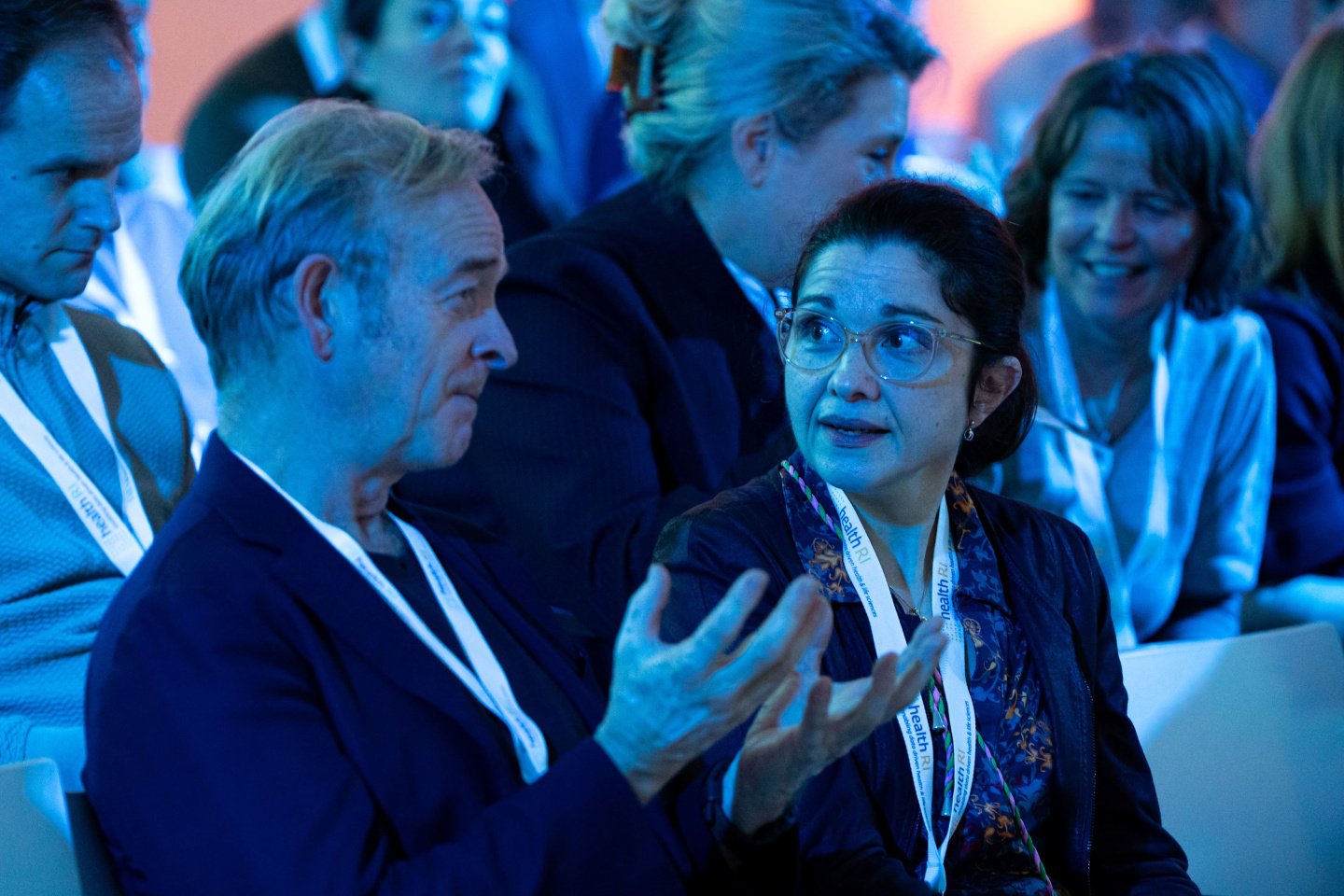
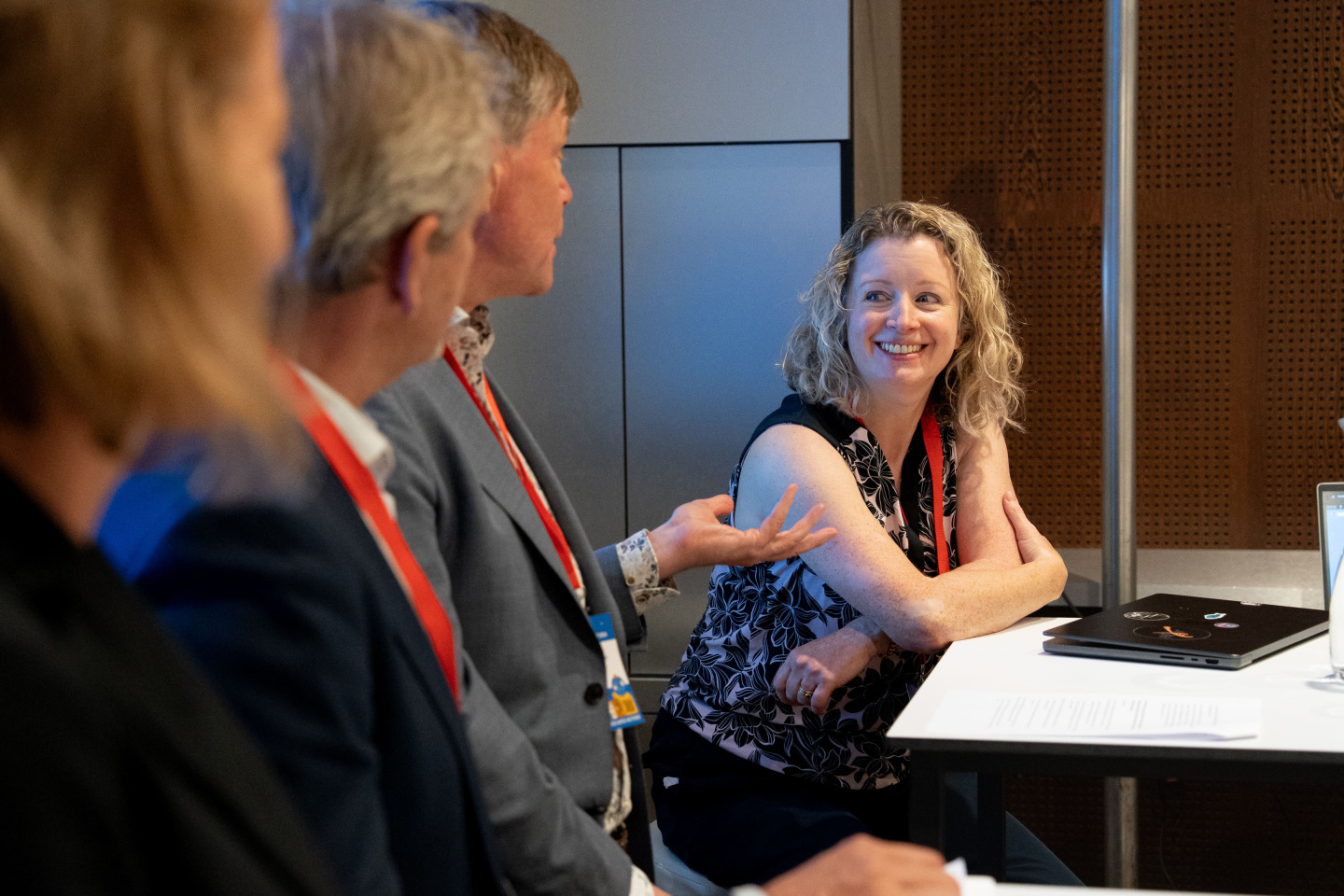
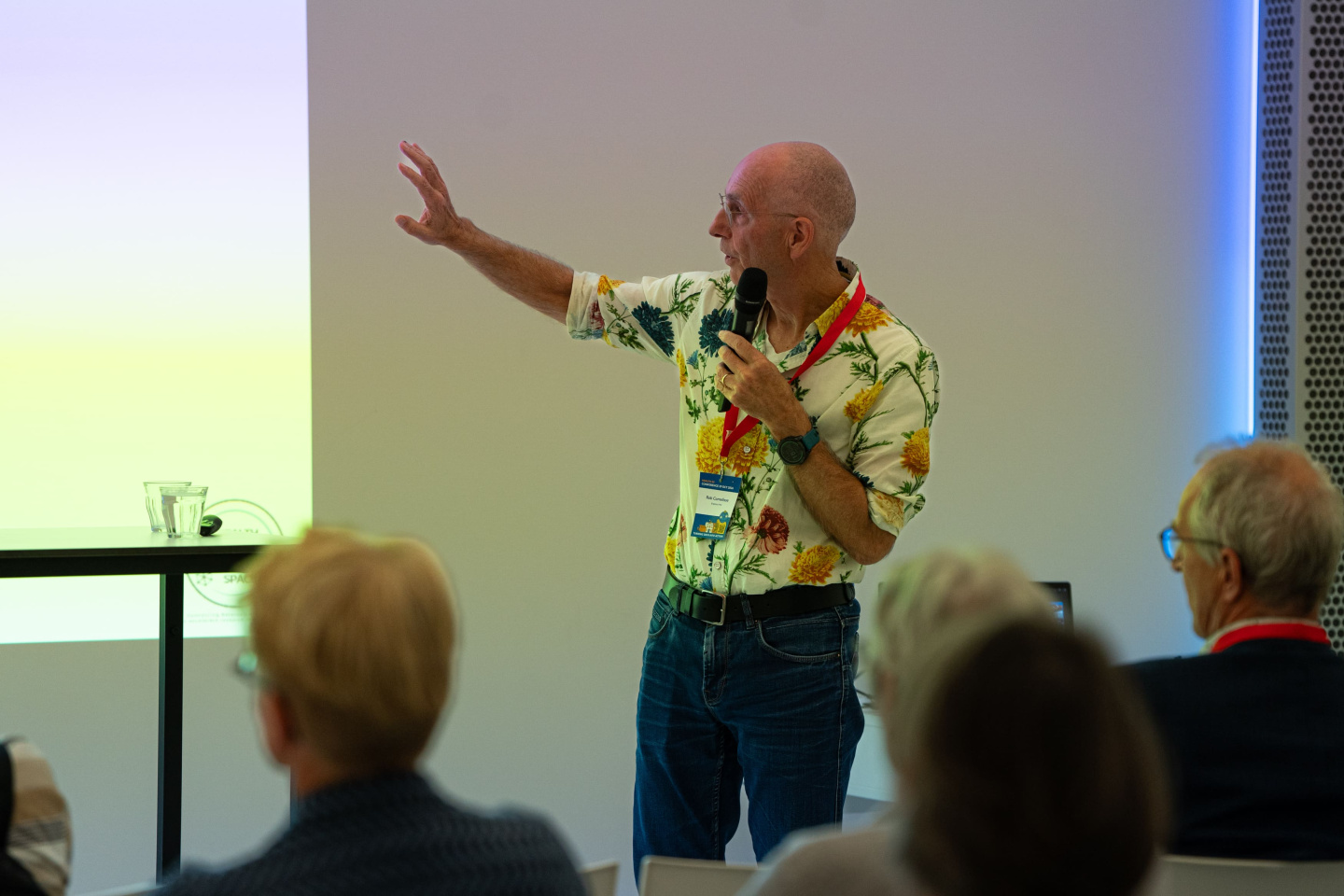
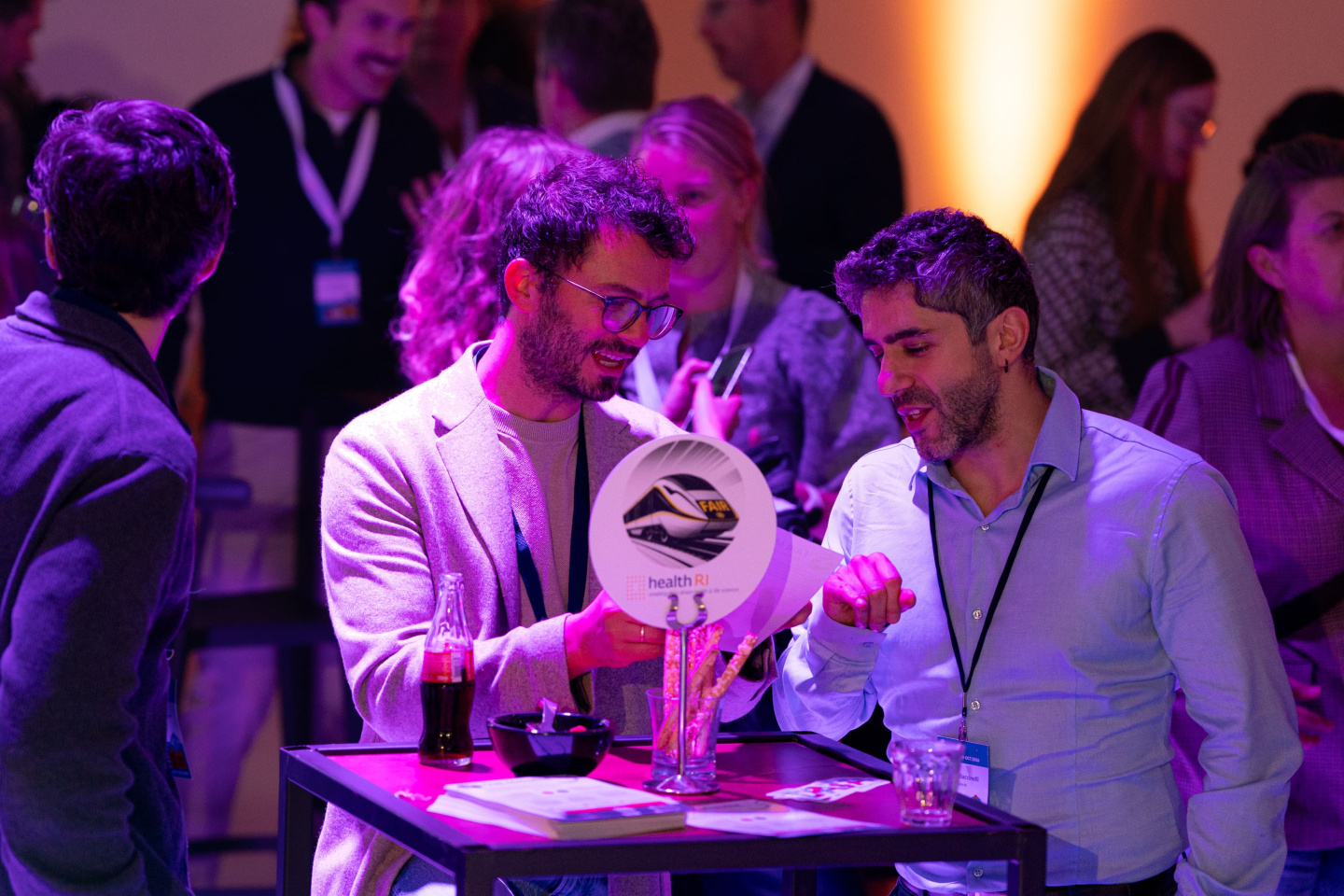
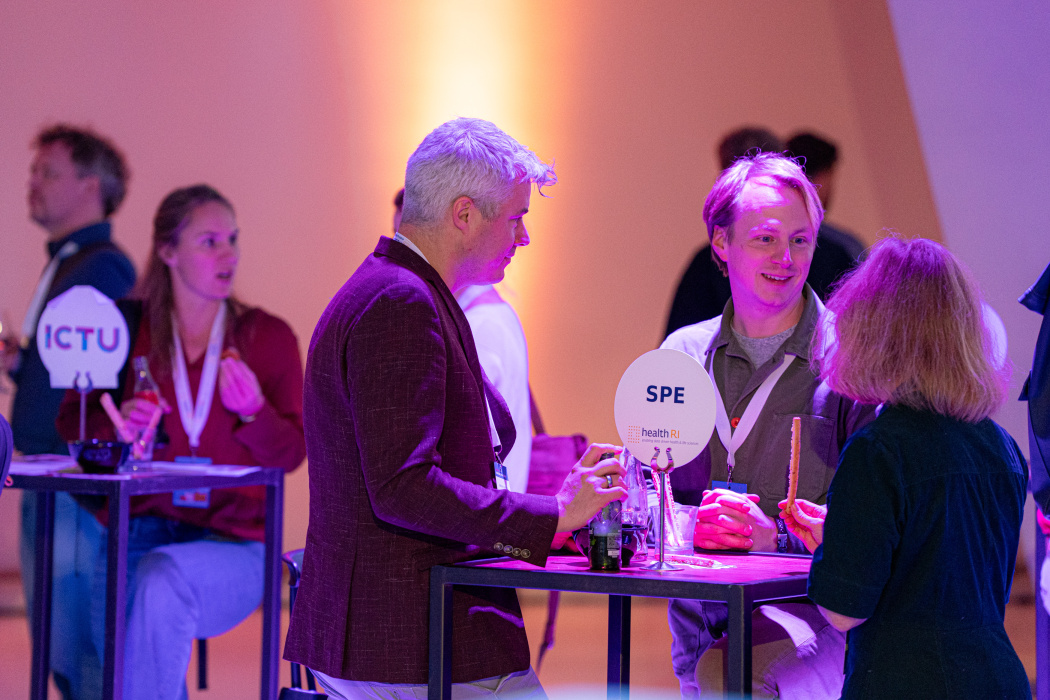 Throughout the day, there were plenty of opportunities for healthcare professionals and policymakers to exchange ideas.
His time as Minister of Health, Welfare and Sport also showed him how challenging it can be to bring different worlds together. Healthcare professionals do not always understand why certain decisions are made in The Hague, while policymakers may be unaware of what happens in consultation rooms on a daily basis. According to Jan Anthonie, bridging this gap presents an important opportunity.
Jan Anthonie Bruijn, Professor of Immunopathology at Leiden University Medical Center (LUMC), former President of the Dutch Senate and former Minister of Health, Welfare and Sport (VWS).From within healthcare, we often struggle to understand the decisions made in The Hague. But equally, policymakers find it difficult to understand what happens in consultation rooms on a daily basis. If we can bridge that gap, there is a great deal to be gained.
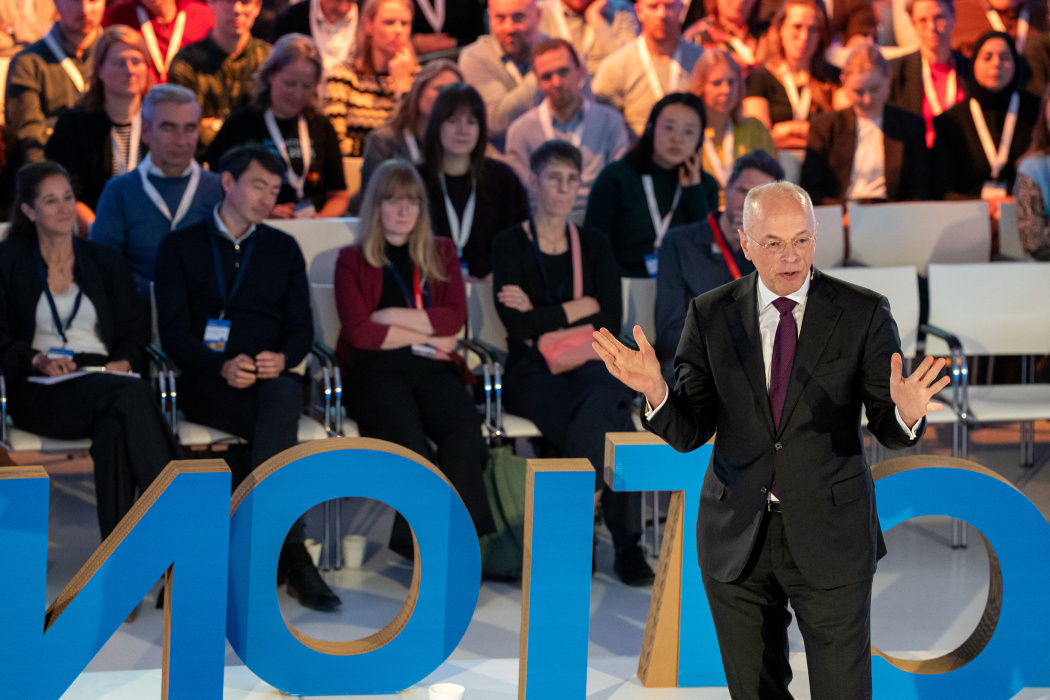 Jan Anthonie Bruijn emphasised that the focus should not be on technology or legislation, but on the shared goal: better patient care.
According to Jan Anthonie Bruijn, the development of the national health data infrastructure therefore requires a combination of initiatives from the field and national agreements and legislation. Healthcare practice must demonstrate what works and what is needed, while the government must establish the conditions under which data can be shared safely and responsibly. Researchers, patients, companies and other stakeholders must also be involved in this process.
The lessons from his three perspectives come together in one central message: to make responsible and effective use of the full potential of health data, collaboration between healthcare professionals, politicians, government and other stakeholders is essential. The driving force should not be technology, legislation or the individual interests of organisations, but a shared goal: better patient care.
Jan Anthonie Bruijn, Professor of Immunopathology at Leiden University Medical Center (LUMC), former President of the Dutch Senate and former Minister of Health, Welfare and Sport (VWS).Data reuse is essential for the quality, accessibility and affordability of healthcare.
On the Data Journey Together: From Finding Data to Using It Securely
After exploring the different perspectives of Jan Anthonie Bruijn's personal Data Journey, it was time to take a closer look at the data journey within the infrastructure for secondary use. Led by Chantal Steegers, Headof the Public Policy and Affairs team at Health-RI Health-RI experts guided participants through the data journey for secondary use. What steps are needed to effectively reuse health data for research, policymaking and innovation? And what services and facilities are available to support this process?
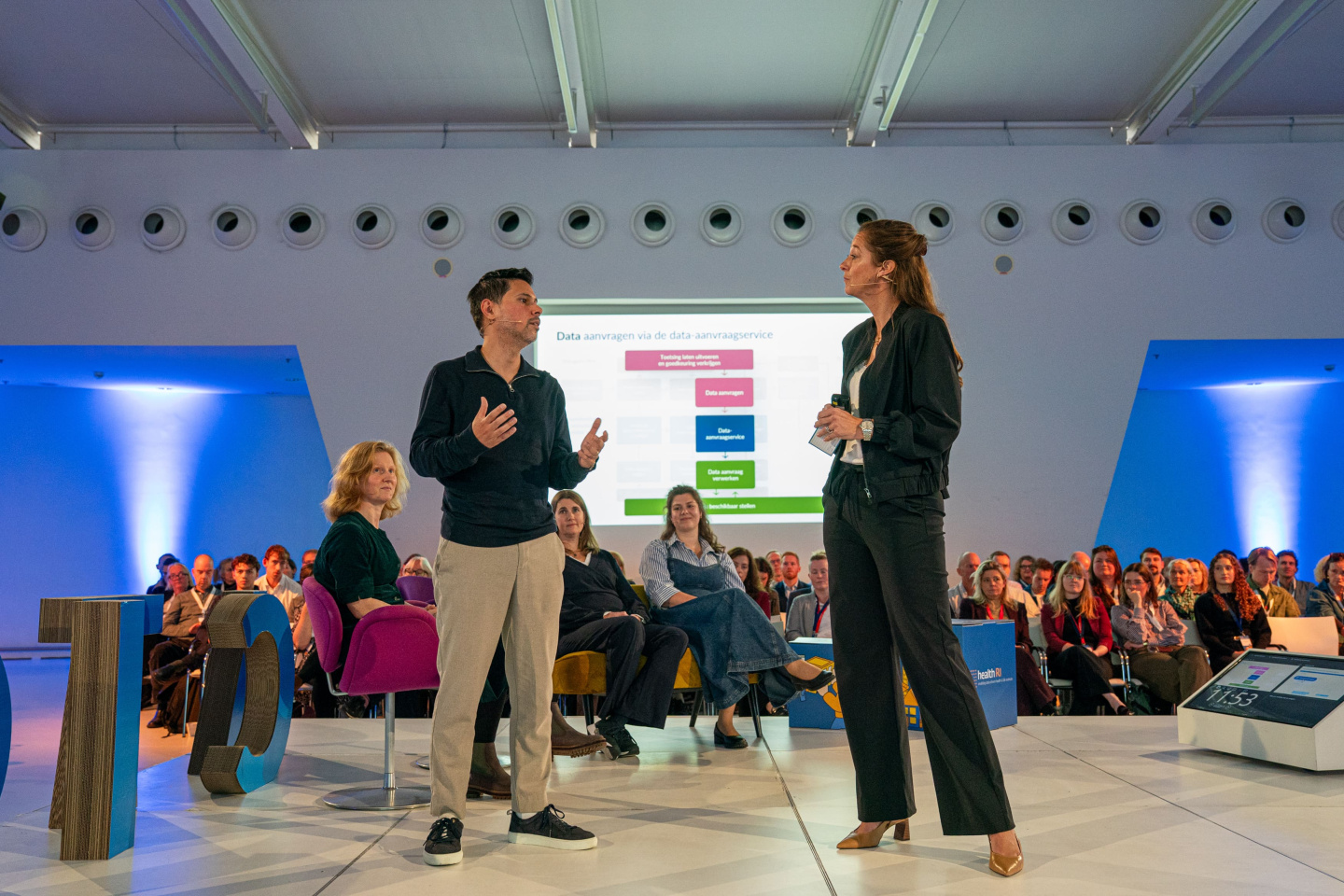
 Chantal Steegers in conversation with Marianne Knoop Pathuis-Baarda, Product Manager of the National Health Data Catalogue, about how data holders can make their datasets discoverable and data users can find the right data for their research.
The key message: data users and data holders can already start using the national health data infrastructure. The National Health Data Catalogue is available and already contains more than 700 datasets. Data holders can make their datasets discoverable through the catalogue, while data users can search for the datasets they need for their research. Data users can then submit a request through the connected Data Request Service. Several requests have already been submitted by a range of data users from both the Netherlands and abroad. Through the recently integrated anDREa service, data users can also conduct their research within a Secure Processing Environment (SPE) using the infrastructure. With the integration of this SPE, data users can now complete the entire data journey within the infrastructure.
During the demonstration, the product managers showed how these services and facilities are connected. Finding suitable datasets is only the beginning. Data users must then be able to request access to the data, and these requests must be assessed. Once approval has been granted, the data can be made available, but only after they have been minimised, anonymised or pseudonymised. If multiple datasets are involved, they must also be linked. The data are then processed securely within an SPE, where data users can work with sensitive health data under strict conditions.
These components of the infrastructure also play an important role in the HDAB-NL project, through which Health-RI collaborates with the Ministry of Health, Welfare and Sport, RIVM, CBS and ICTU to prepare the Netherlands for the EHDS and the establishment of the Health Data Access Body (HDAB).
Of course, there is still much work to be done. In the coming years, more data holders need to make their datasets discoverable, the data request and assessment processes must be further developed, and the services and facilities must be aligned with the future requirements of the EHDS. Privacy, control over personal data and secure data processing also remain important areas of focus.
The data journey demonstrated how the different components of the infrastructure are interconnected and what still needs to be done to make health data responsibly available. Equipped with these insights, participants then had the opportunity to take action themselves.
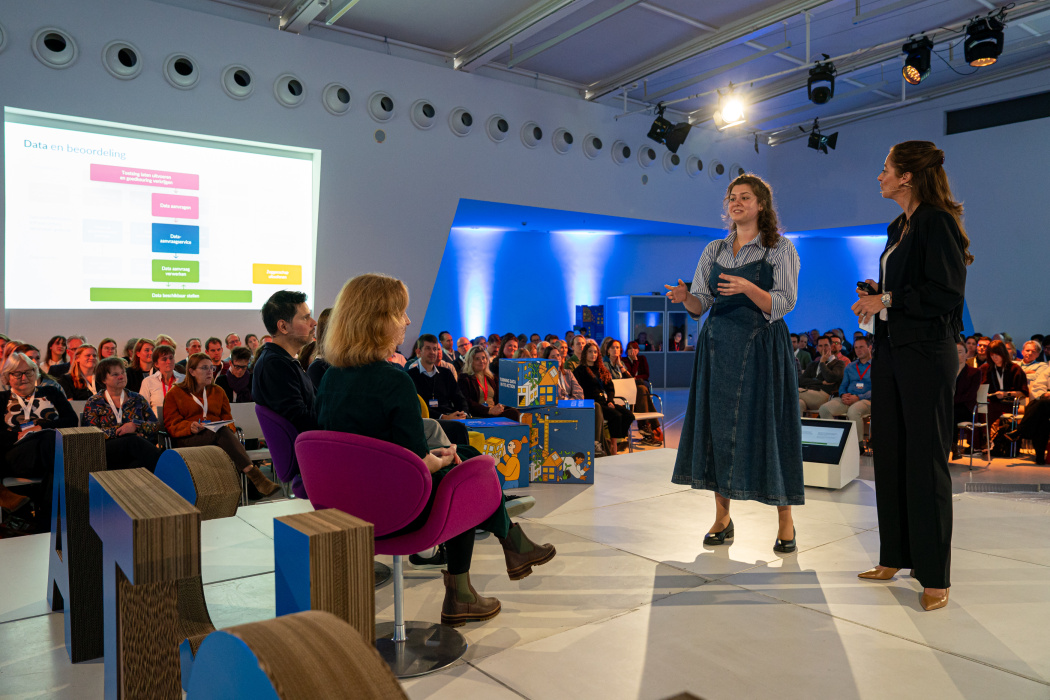 The Data Journey demonstrated which steps are already possible and what still needs to be done to make health data responsibly available.
From Insights to Action in the Breakout Sessions
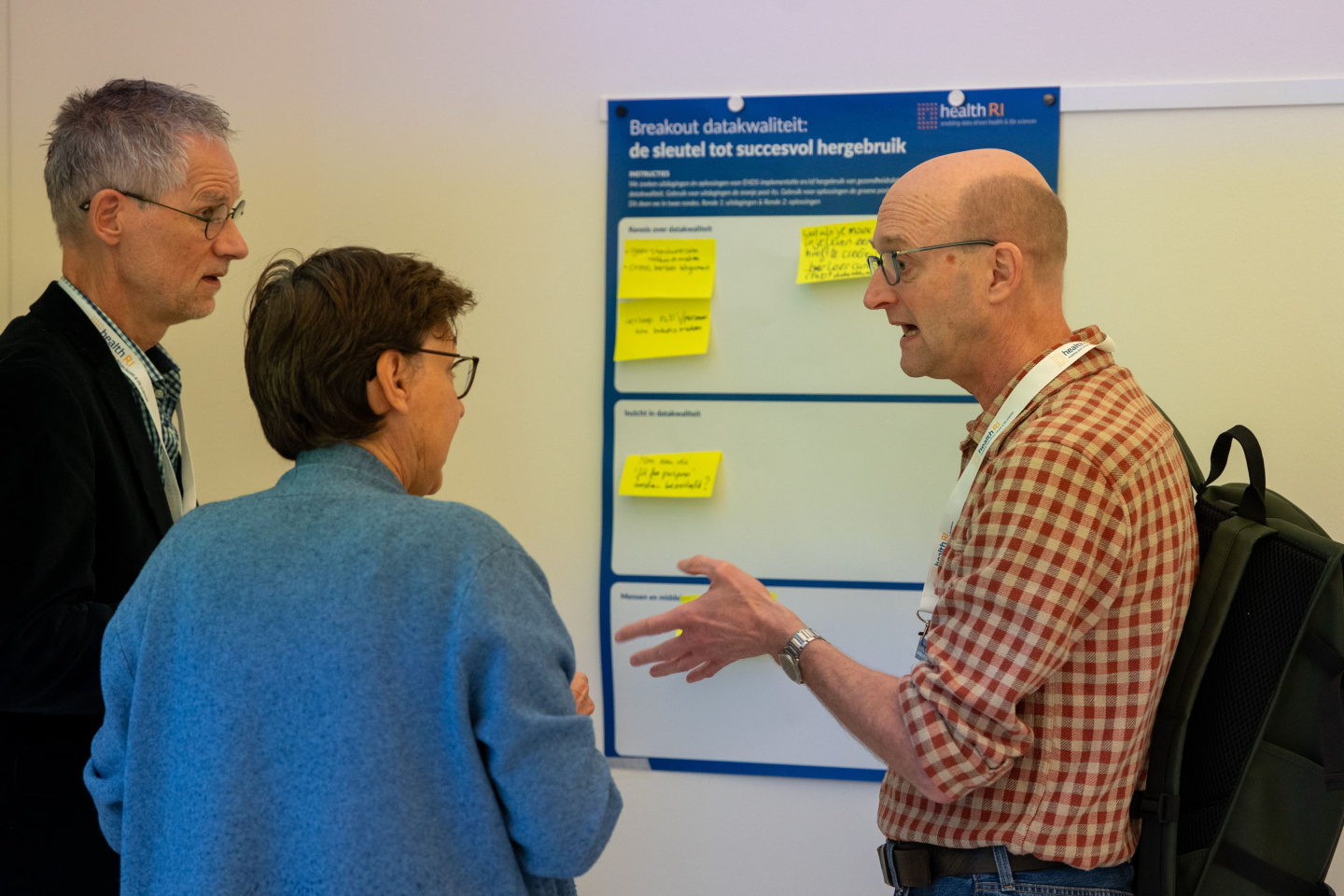
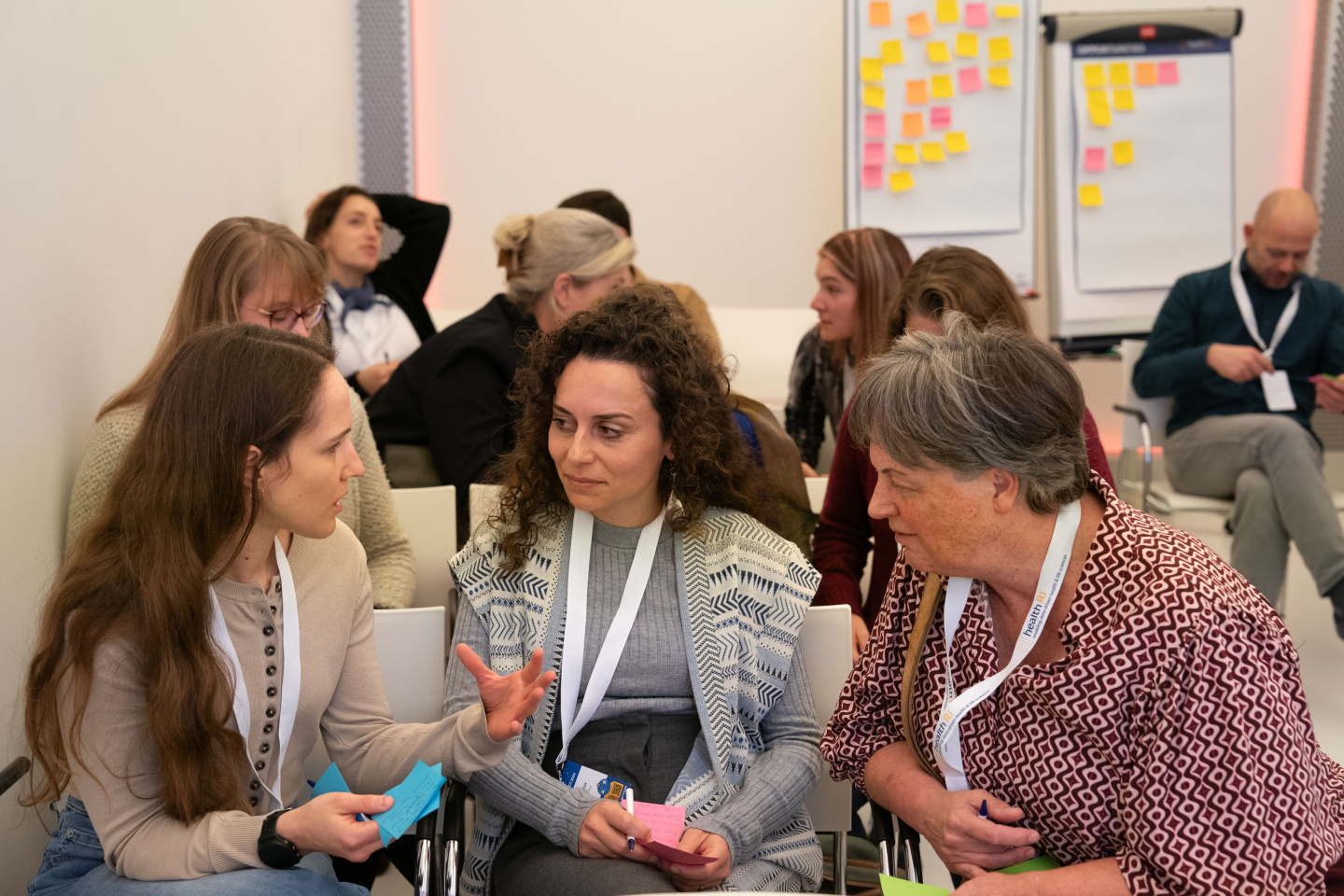
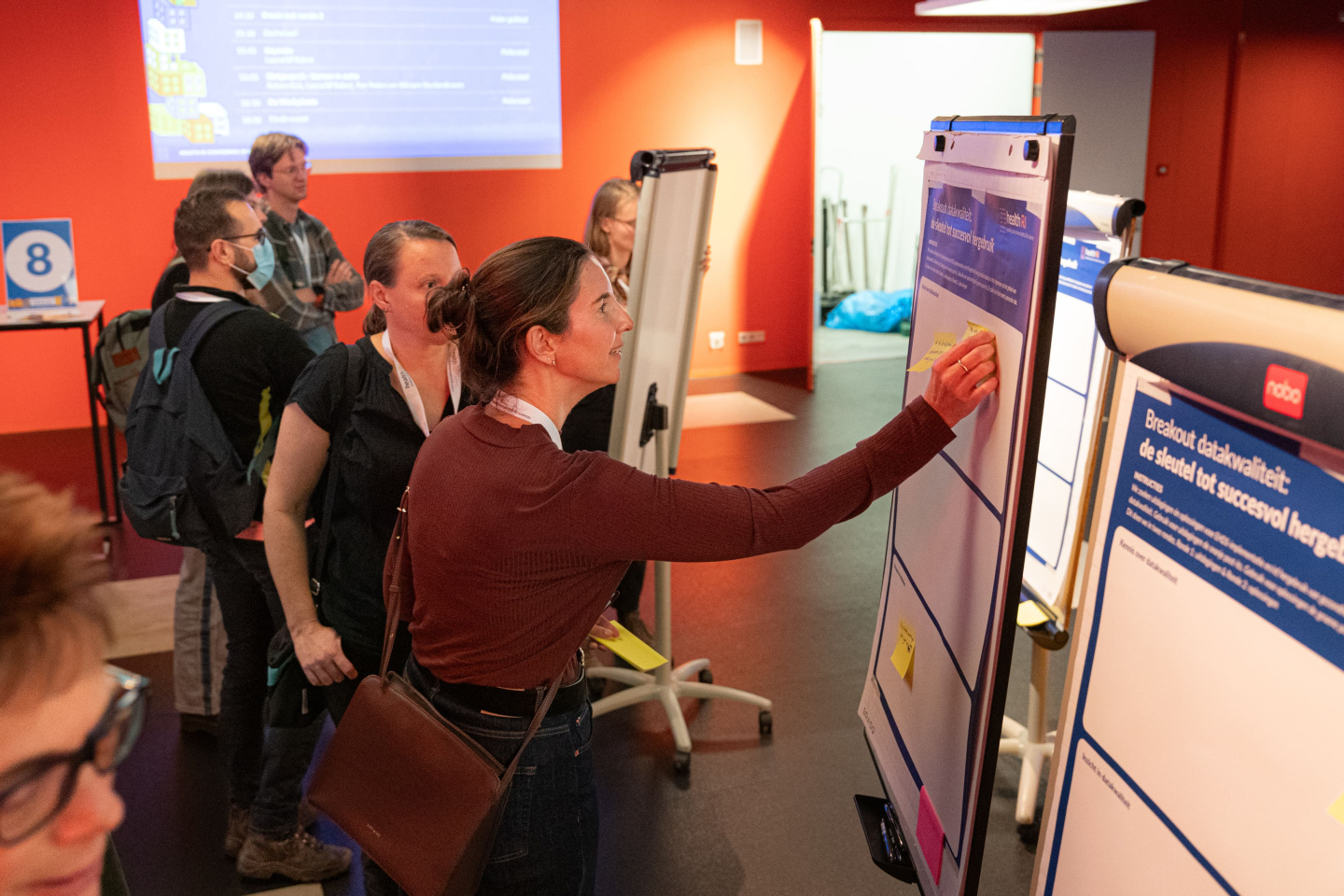
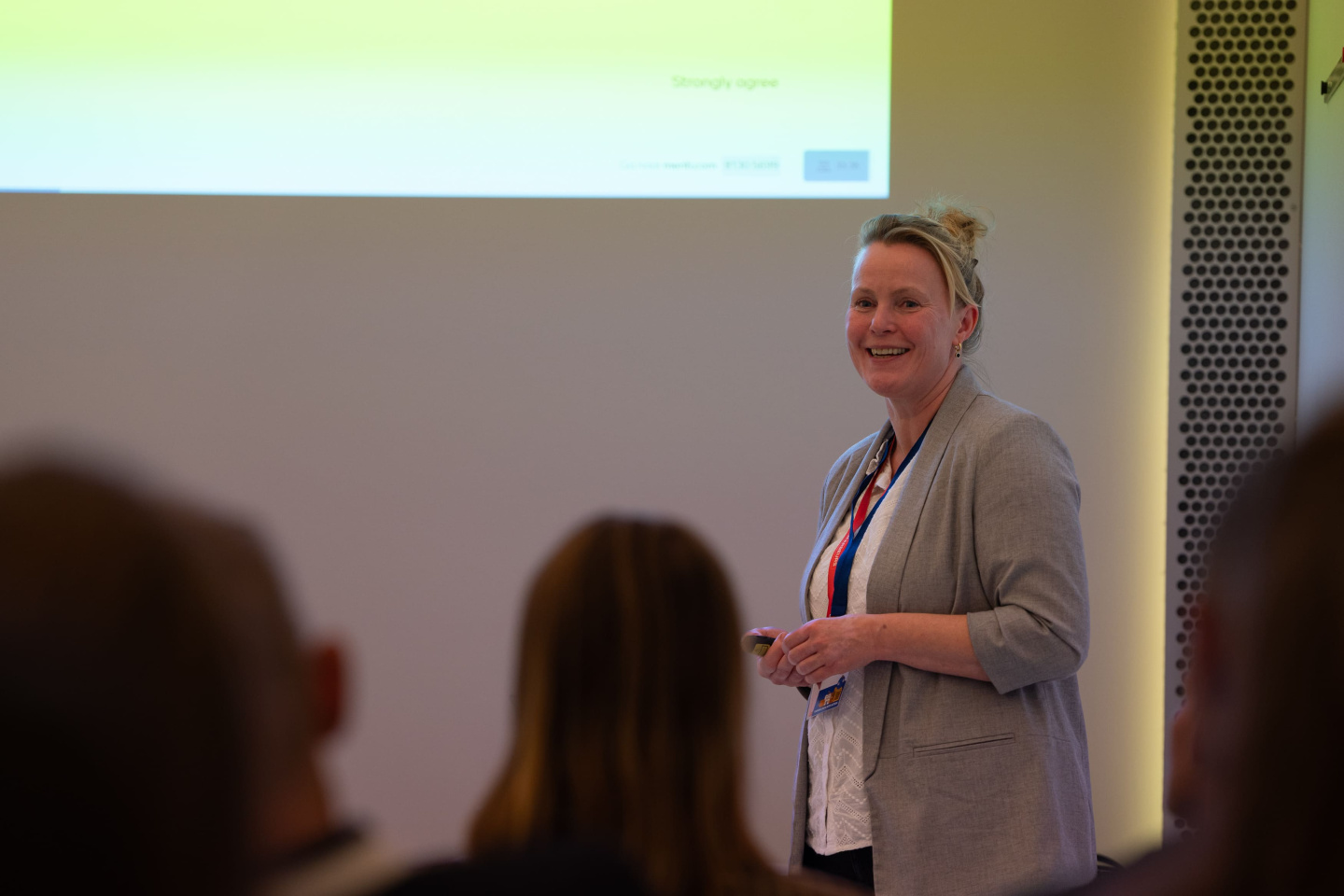
During two rounds of breakout sessions, participants explored the opportunities and challenges of secondary data use in greater depth. Topics ranged from data quality, AI and European collaboration to data stewardship, architecture and making data available. Through interactive sessions, discussions and exercises, participants exchanged ideas on the next steps and how they could personally contribute to moving forward.
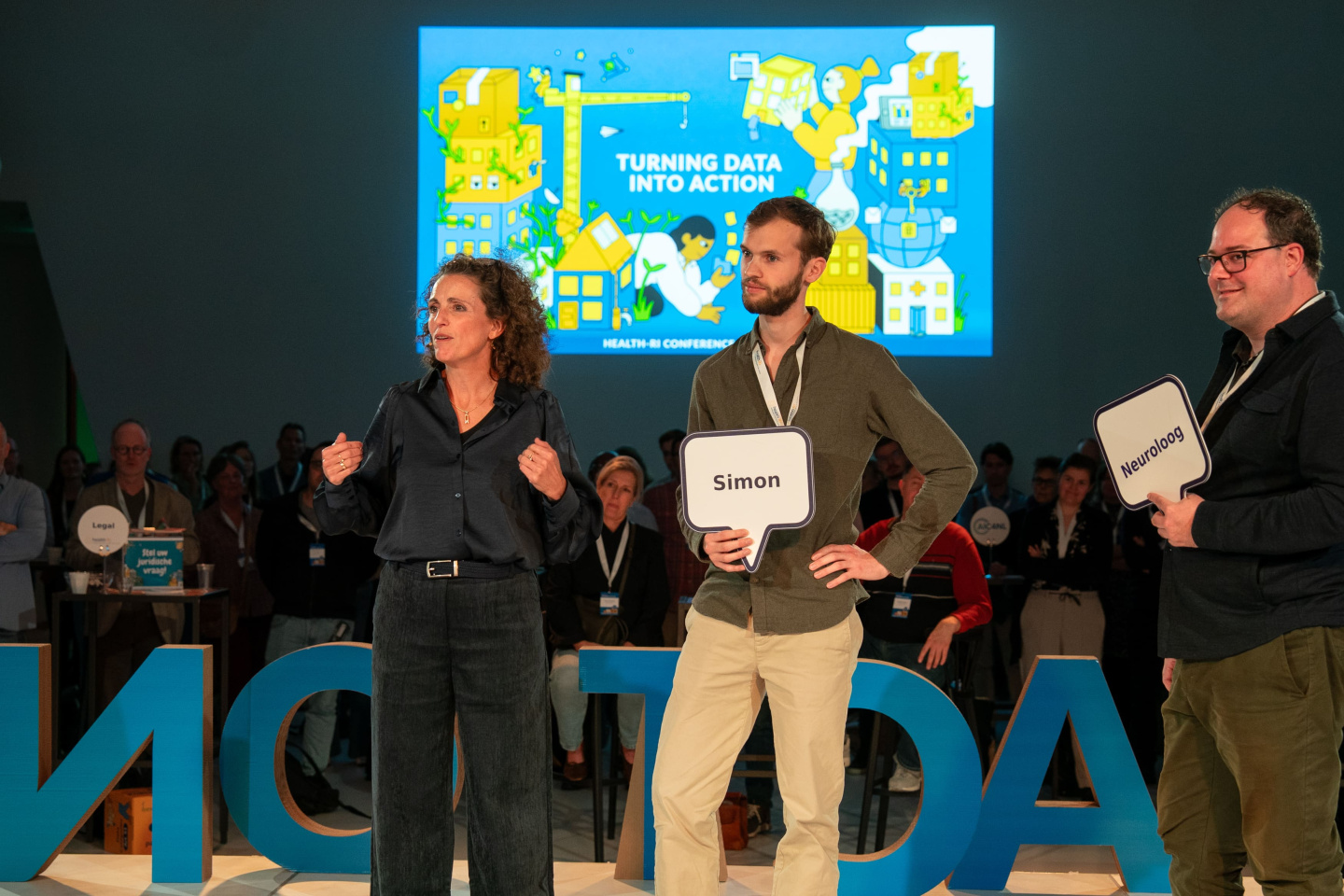
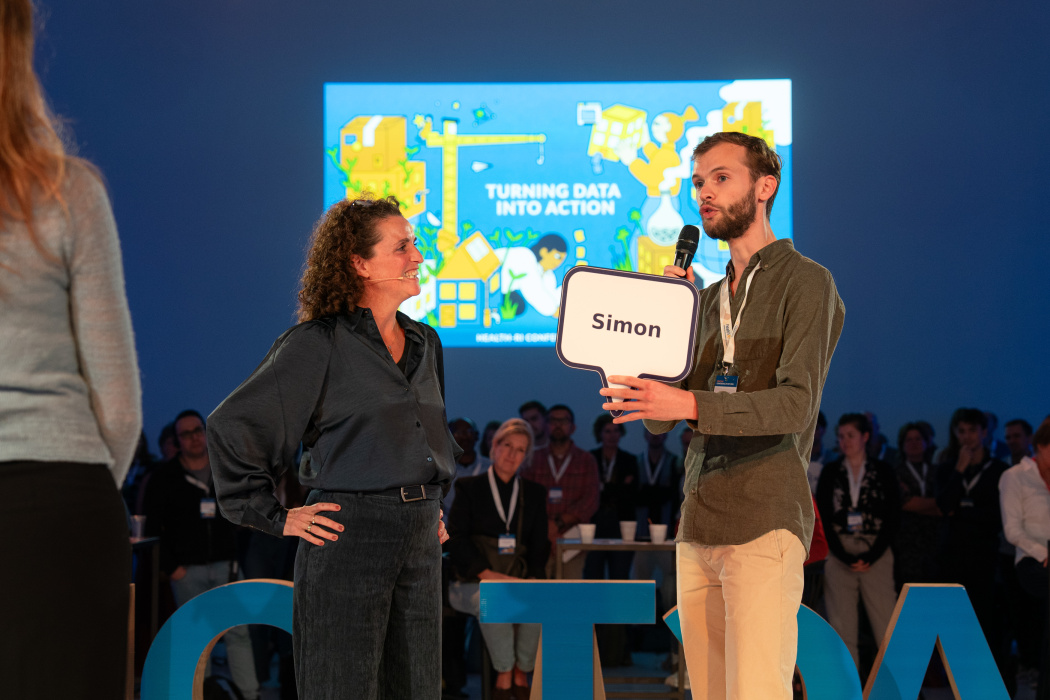 Laura M’Rabet in conversation with Jesse Poort, member of Health-RI’s Societal Advisory Council, about her son Simon’s personal Data Journey and the importance of accessible health data for patients.
Ultimately, We Are All Doing This for the Patient
After a day filled with discussions about the opportunities and challenges of reusing health data, Laura M’Rabet brought the focus back to what ultimately matters most: the patient. As Knowledge & Innovation Manager at EpilepsieNL, a researcher and the mother of a son with severe epilepsy, she illustrated the consequences of health data not being readily available.
Through the personal Data Journey of her son Simon, Laura demonstrated just how fragmented health data still are. She shared the example of Simon being admitted to the emergency department with a broken thumb, without his treating neurologist being automatically informed. As his mother and caregiver, she had to ensure that the information reached the appropriate healthcare professional herself.
But above all, Laura emphasised that improving the availability of health data is important not only for everyday healthcare, but also for scientific research. For certain conditions, such as severe epilepsy, there are often very few patients with the same diagnosis. That is precisely why it is essential to be able to combine data from different hospitals and other sources. This allows researchers to gain a better understanding of how conditions progress, compare treatments and discover new opportunities to improve healthcare.
Laura thus demonstrated why the secondary use of health data is so valuable for patients. It is not just about making data accessible, but above all about what researchers and healthcare professionals can achieve with those data: better insights, new treatments and ultimately better care for patients like Simon.
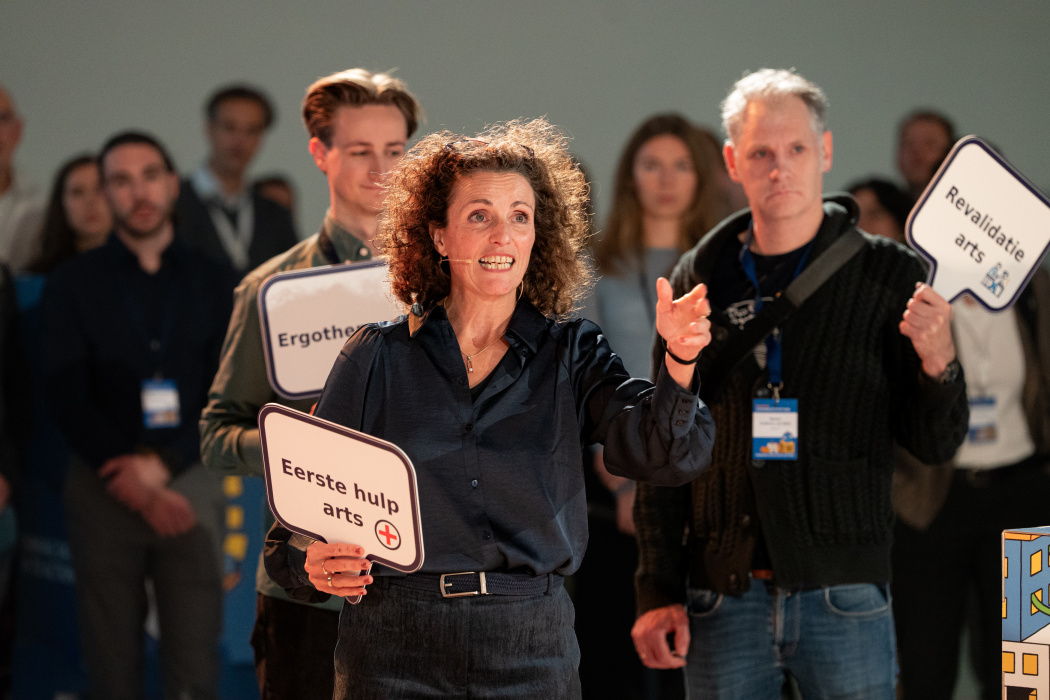 Laura M’Rabet emphasised the importance of the secondary use of health data for research into rare conditions and, ultimately, better care for patients like her son Simon.

Laura M’Rabet, manager Kennis & Innovatie, EpilepsieNLAbove all, I hope things will become much more straightforward. That medical records will be brought together, so you don’t have to go through the same steps over and over again.
Laura’s story highlighted why improving the availability and reuse of health data is so important. But how can we ensure that the opportunities now available actually lead to better healthcare, research and innovation? And what does this require from the different stakeholders working with health data? These questions were at the heart of the closing panel discussion.
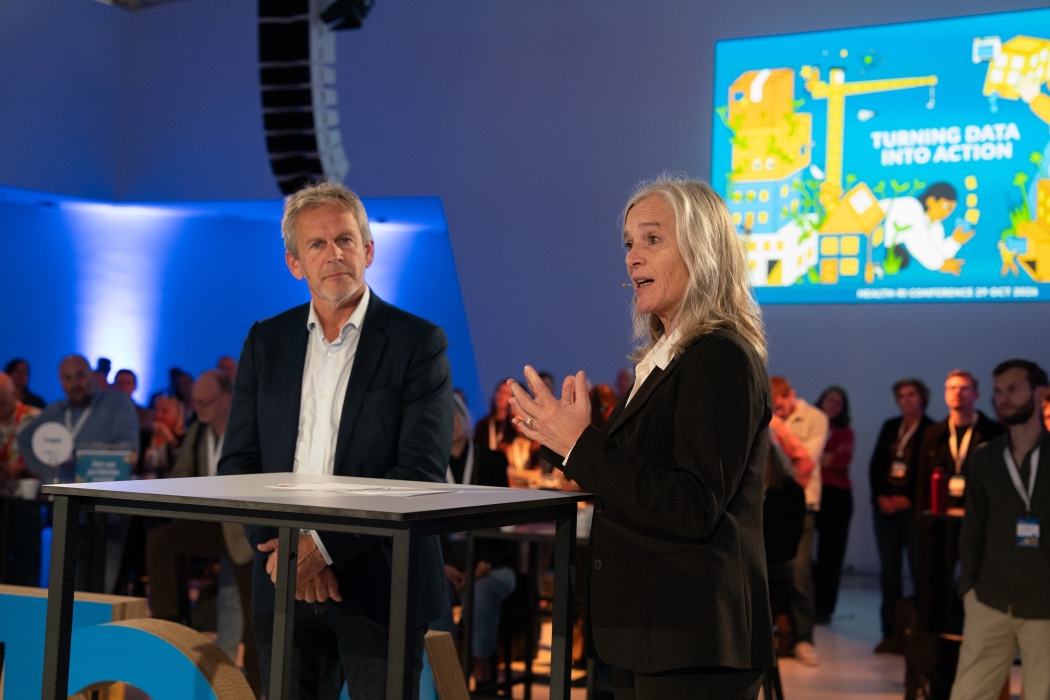 During the closing panel discussion, Miriam Sturkenboom emphasised the importance of improving access to Dutch health data for research and the opportunities the EHDS offers in this regard.
Taking the Next Step Together
Conference moderator Eva Eikhout discussed these questions with Laura M’Rabet, Miriam Sturkenboom (Head of the Department of Data Science & Biostatistics, Head of Node Utrecht, UMC Utrecht/Health-RI), Ton Peters (HEMAR and RWE Lead, Market Access Netherlands & Member of the Industry Advisory Committee, Johnson & Johnson/Health-RI) and Ruben Kok (Chief Strategic Alliances, Board Member, Health-RI). Together, they explored what is needed to bring this future closer.
Drawing on her experience in research, Miriam Sturkenboom recognised the challenges of combining data from different sources. Many Dutch researchers currently have little choice but to work with data from abroad because linking datasets in the Netherlands remains too complicated. According to Miriam, the EHDS offers an important opportunity to address this challenge in a more structured way, but this requires both national agreements and initiatives from within the field. Organisations involved in healthcare and research must also work together to connect existing initiatives.
Ton Peters emphasised the importance of accessible and reliable health data for developing new treatments and innovations. For companies, it is essential to know which data are available and under what conditions they can be used.
Clear laws and regulations are also essential for companies: they need certainty about the regulatory framework to be able to invest in new applications. According to Ton, it is ultimately not about the data themselves, but about the insights that can be gained from these data and the innovations that can be developed based on those insights. Innovations that can help patients.
Laura M’Rabet emphasised that health data are not only important for individual patients or organisations, but for society as a whole. By responsibly sharing and combining data, new insights can emerge that contribute to better treatments and healthcare. According to Laura, it is essential to actively involve patients and take into account the context in which data were collected. Only then can health data be reused in a meaningful and responsible way, with patients ultimately being the main beneficiaries.
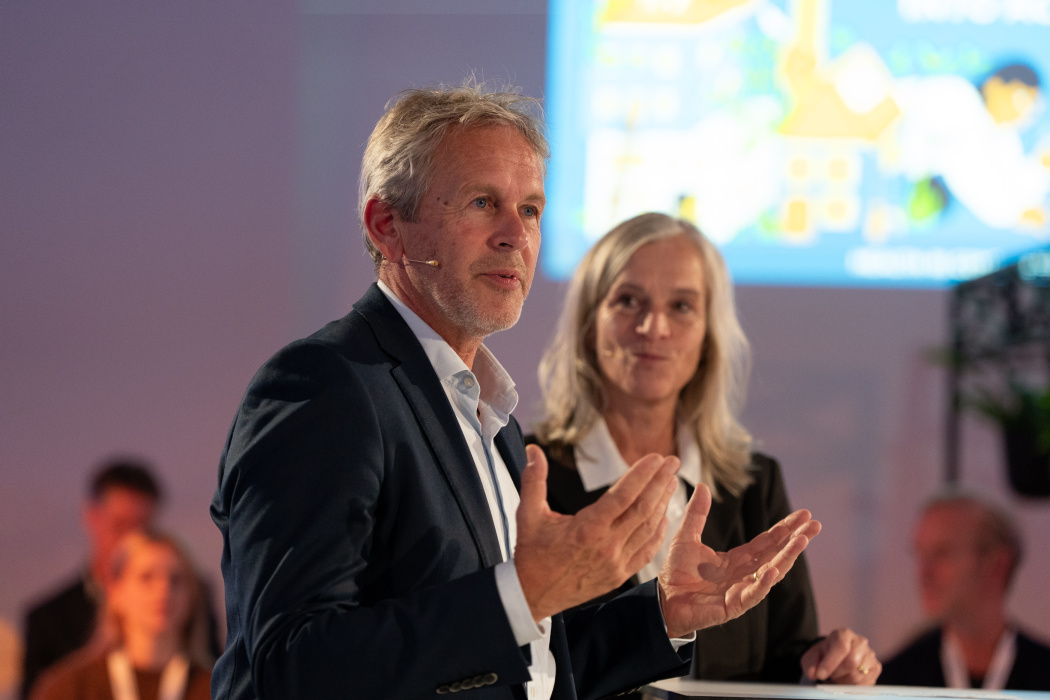 During the closing panel discussion, Ton Peters from Johnson & Johnson emphasised the importance of clear laws and regulations and reliable access to health data to enable innovations that benefit patients.
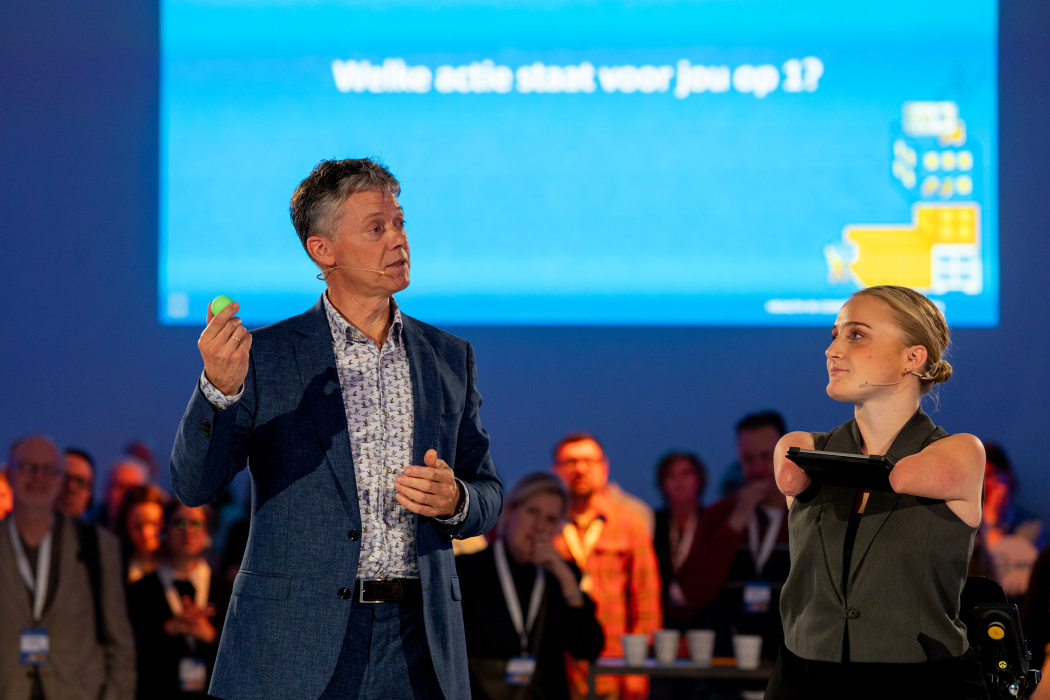 During the closing panel discussion, Ruben Kok from Health-RI discussed the most popular actions chosen by participants and emphasised that now is the time to start putting the national health data infrastructure to use.
Ruben also emphasised that while the EHDS provides an important boost, organisations themselves must take action to connect existing initiatives. Many valuable initiatives and datasets have already been developed in the Netherlands. The challenge now is to connect them without reinventing the wheel. Moreover, the infrastructure must remain in place beyond the end of the current National Growth Fund project.
But what does this mean in practical terms for participants? At the end of the discussion, the panel returned to the question posed at the start of the conference: which action is your top priority?
The most popular choice was "I will start a conversation." An important first step, because collaboration begins with connecting with others, but also the easiest step. What is needed now is concrete action. The second most popular choice was "I will learn more about the EHDS." Ruben encouraged participants to start preparing now for both the obligations and opportunities that the regulation will bring. Health-RI offers support through practical information on its website and a six-step plan for data holders and healthcare executives.
The third most popular choice was "I will onboard data." According to Ruben, this is a very concrete action that will be urgently needed in the coming years: to make full use of the infrastructure, data holders must make their datasets discoverable in the National Health Data Catalogue.
The infrastructure is in place. Now it is up to all of us to start using it and populating it with data.

Ruben Kok, Chief Strategic Alliances, Health-RIEveryone holds a piece of the puzzle. Now we need to put those pieces together. Health-RI plays a connecting role, bringing together different initiatives that are often working on the same piece of the puzzle.
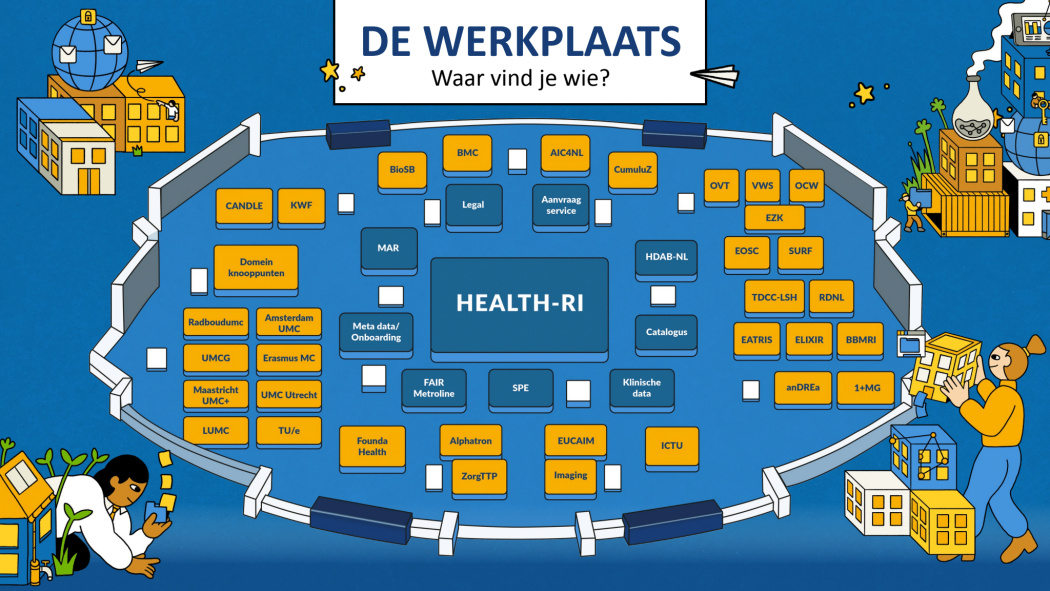
Taking Action Together in the Werkplaats
The conference concluded in the Werkplaats, a new addition to this year's programme, where participants and partners had the opportunity to meet and continue discussions about the next steps. Various organisations and initiatives showcased their work and demonstrated how others could get involved.
This brought the central message of Turning Data into Action back into focus one final time. Much has been achieved in recent years, but making health data truly more accessible and usable requires the commitment of everyone in the field. Not just during the conference, but especially in the months and years ahead. Only by working together can we improve health for everyone.

Assessment
Thank you to everyone who shared their feedback through the survey!

600 participants
“Great to see the progress that has been made. A positive outlook on the achievements so far, without losing sight of the challenges.”
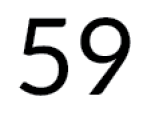
59 speakers
“We have already taken the first steps within our hospital. I’ll take the insights from today back to my colleagues so we can continue moving forward together.”
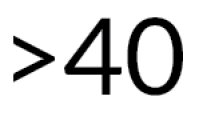
More than 40 organisations
participated in the Werkplaats and conference
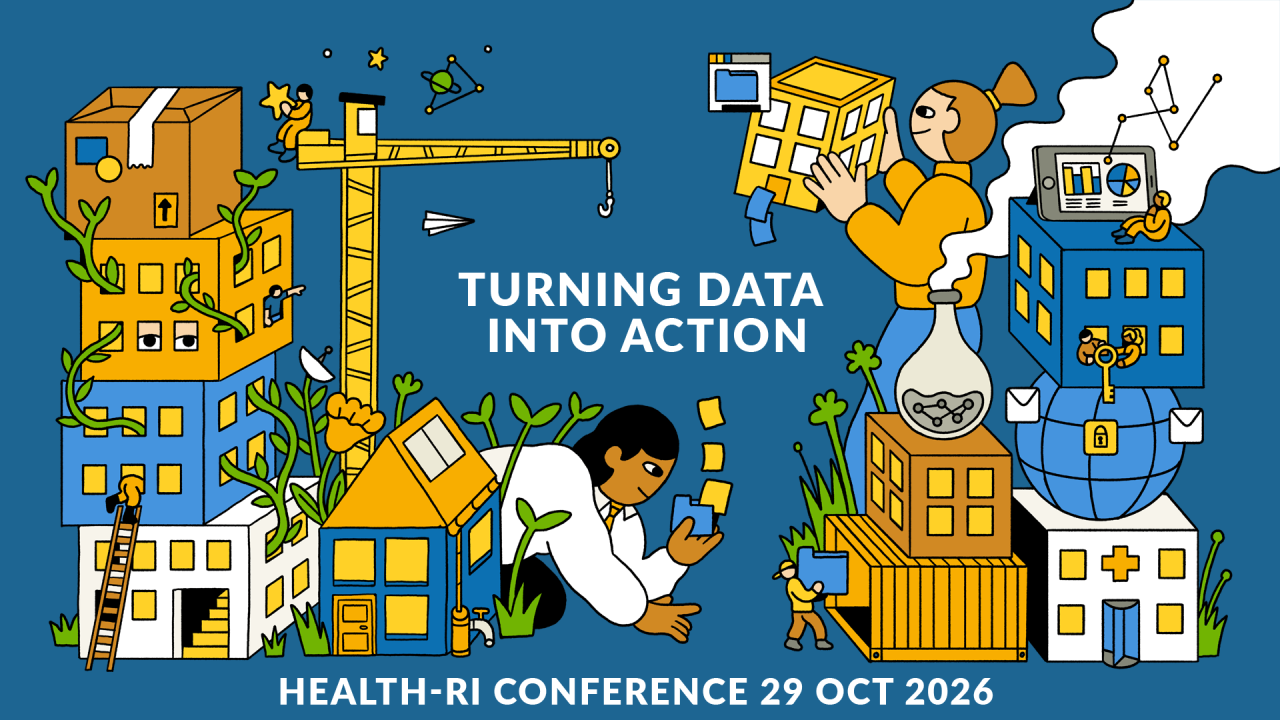
Photography by Thijs Rooimans. Design Turning Data into Action by Timber Sommerdijk
Watch the aftermovie!
Aftermovie by Sem Nieuwenhuis: https://semnieuwenhuis.myportfolio.com/